Most D2C founders approach UGC video production the same way they approached their first product launch—overthinking it. They spend weeks sourcing the perfect creator, scripting every line, and waiting for an elaborate shoot. Then the video goes live, gets a mediocre ROAS, and the whole experiment gets shelved. The real problem is not the creator or the script. It is trying to build an advanced system before you understand the basics.
Stage One: The Single-Video Test
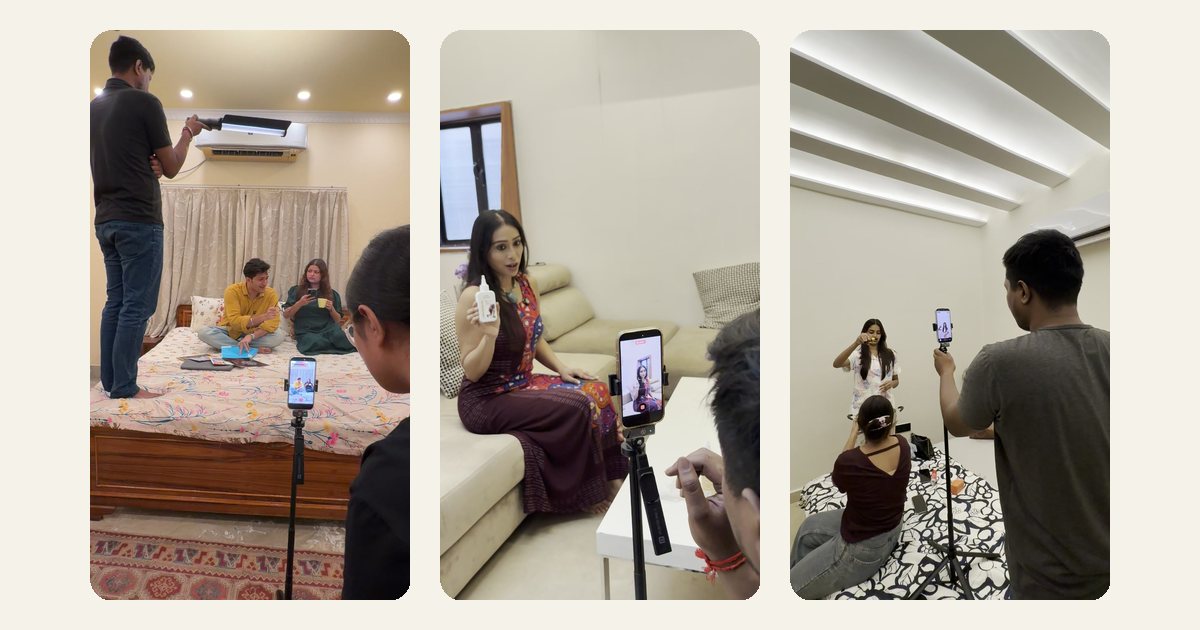
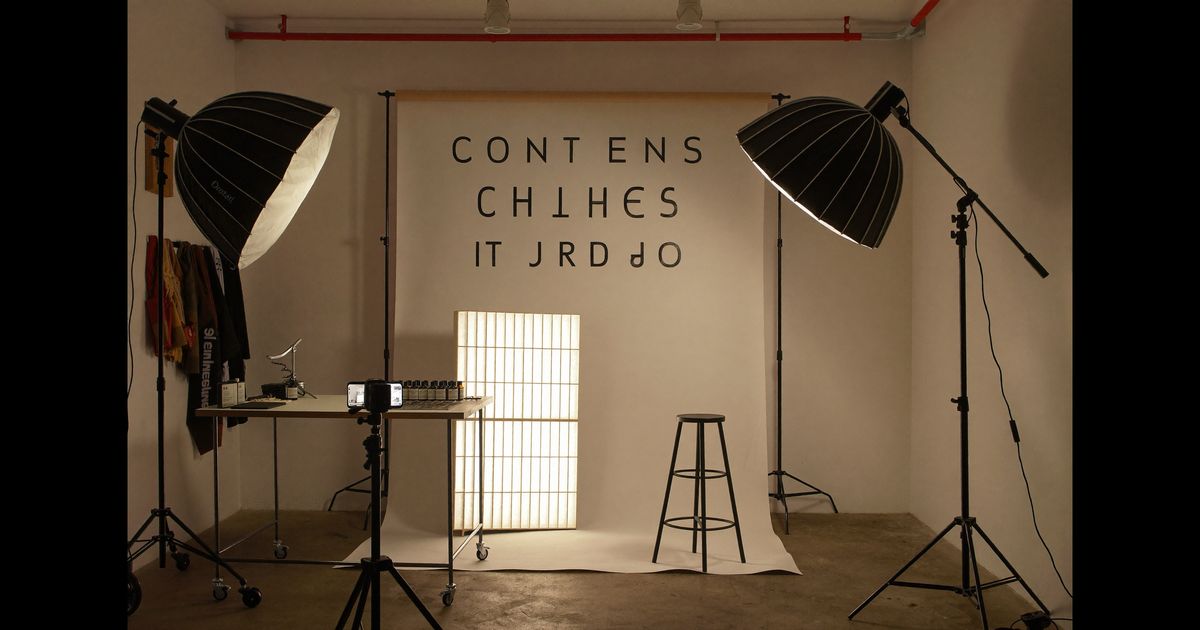
If you have never run UGC ads before, your only job in stage one is to get one authentic video live and measure it against your existing creative. Pick a product that already has some word-of-mouth—a bestseller, something with strong reviews. Brief one creator with a simple framework: open with a real problem they faced, show the product in use, close with an honest reaction. No teleprompter. No studio lighting. Ship it as a paid ad within a week of receiving the footage and watch the hook rate and thumb-stop ratio closely.
This first video teaches you something no strategy deck can: how your specific audience responds to a real person talking about your category. That data is foundational.
Stage Two: Building a Creative Testing Cadence
Once you have one video that outperforms your brand creative—or one that clearly under-performs—you have a benchmark. Stage two is about volume with variation. Work with three to five creators simultaneously, each given a slightly different angle: one tackles the price objection, one focuses on ingredients or materials, one targets a specific use case. You are not looking for a winner yet; you are building a map of which angles resonate.
In the Indian D2C context, this stage often surfaces surprising insights. A skincare brand might find that a creator talking about humidity and oily skin in Chennai outperforms a generic glow narrative written by a Mumbai copywriter. These regional and contextual truths only emerge from real people speaking in their own vocabulary.
Stage Three: Systematising Creator Operations
Most brands stall at stage two because creator management becomes chaotic—missed deadlines, inconsistent quality, unclear briefs. Stage three is about process. Build a creator brief template that covers: the one core claim you want communicated, the specific hook format (question, bold statement, or demonstration), the product feature to show on camera, and the call to action. Keep it to one page.
Pair this with a content calendar that treats UGC like a production line. If you need four new videos per month to keep creative fatigue at bay on Meta, work backwards: that means four creator deliveries, four rounds of feedback, and four upload-ready edits. Assign ownership for each step inside your team before you brief a single creator.
Stage Four: Advanced Optimisation and Scaling
Advanced UGC strategy is less about creativity and more about signal reading. At this stage you are A/B testing individual elements—the first three seconds, the CTA placement, whether a text overlay on the hook improves click-through. You are also building a creator roster segmented by audience fit: macro creators for reach, micro creators for niche trust, and nano creators for hyper-local authenticity.
Scaling UGC on paid channels requires a feedback loop between your media buyer and your creative team. The media buyer should flag which videos are hitting frequency limits—those need to be rotated out within days, not weeks. The creative team needs to have replacement content ready before fatigue sets in, not after ROAS starts dropping.
Takeaway
UGC video production is a discipline that rewards consistency over perfection. Start with one honest video, measure it rigorously, build a testing cadence, systematise your operations, and only then chase scale. Brands that try to shortcut to stage four without the foundation end up with expensive content that does not convert. If you want to build a UGC engine that compounds over time, book a strategy call and we will map the right stage for where you are today.