UGC digital marketing is the practice of running paid and organic campaigns built on creator-made content that looks like a real customer's phone video rather than a brand's studio ad. In India in 2026 it is mostly a Meta and Instagram discipline: short vertical videos, shot by vetted creators, briefed and edited for performance, then run as ads. This guide explains what it actually is, what it costs an Indian D2C brand, how it differs from influencer marketing, and when it is the wrong tool.
What is UGC digital marketing, in plain terms?
Three things have to be true for a campaign to count as UGC digital marketing rather than just "a video ad":
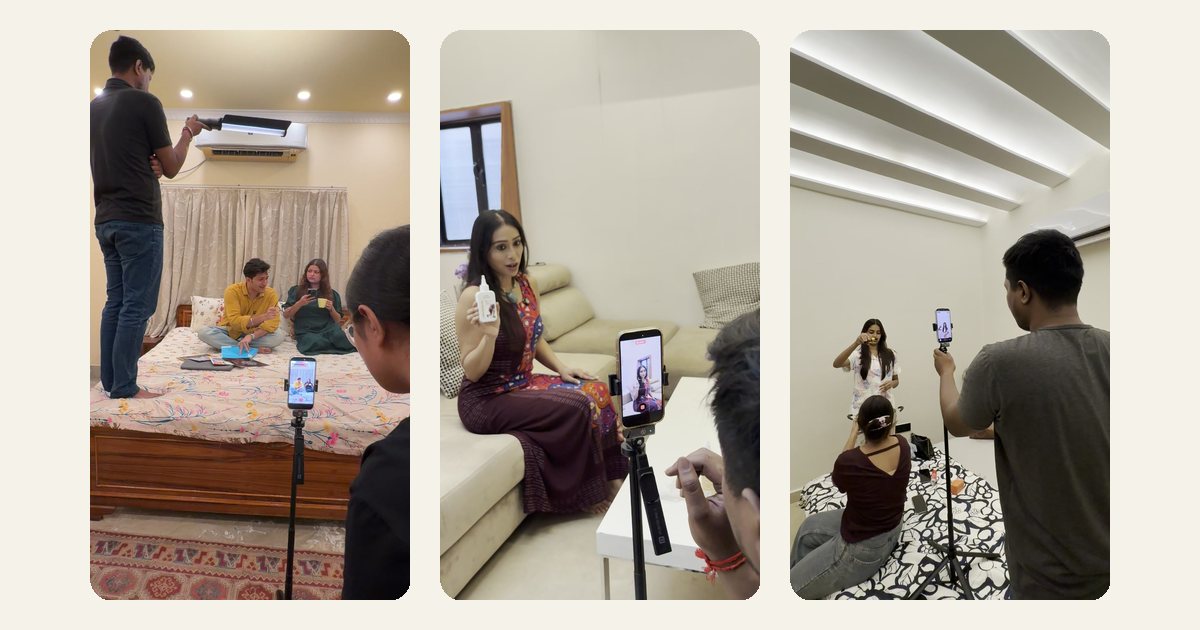
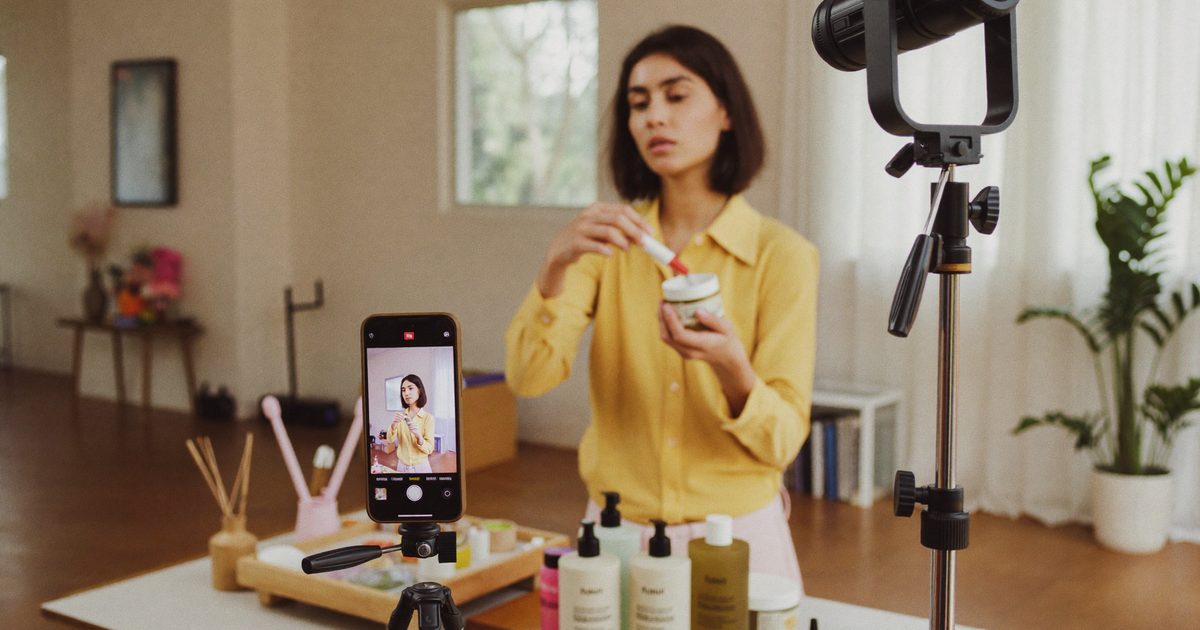
- A real person is on camera, filmed on a phone, in a real setting. Not a studio, not a model on a seamless backdrop.
- The brand owns and runs the asset. The creator is paid for the video and the usage rights; the brand puts it in its own ad account. The creator's follower count is irrelevant.
- It is optimised for a performance objective, usually a purchase or a lead, and judged on cost per result, not on views or likes.
That last point is the one most brands miss. UGC that is only posted organically to a brand's own Instagram is content marketing. UGC that is briefed, produced in variations, and run as paid ads against a CPA target is digital marketing. The production looks similar. The economics are completely different.
How is it different from influencer marketing?
The two are often confused because both involve creators. The difference is who owns distribution.
- Influencer marketing pays for the creator's audience. The post lives on the creator's account, reaches the creator's followers, and the brand usually cannot rerun, re-edit, or scale it. Cost is driven by follower count.
- UGC digital marketing pays for the creator's content. The video lives in the brand's ad account, reaches whoever the brand targets, and can be run for as long as it performs. Cost is driven by production and usage rights, not reach.
For a D2C brand trying to lower Meta CPA, the second model is usually the one that works, because it gives the ad account a steady supply of fresh creative to test. Creative fatigue, not audience size, is the constraint most Indian D2C accounts hit first.
What does it cost in India in 2026?
Pricing in India is generally either per video or as a monthly retainer. Our own published pricing is a useful reference point because it is public: the starter package is ₹72,000 for 18 ad-ready videos a month, which works out to a little under ₹4,000 per finished video, and a single master video is ₹12,000. Those are agency prices that include creator sourcing, briefing, editing, and full usage rights.
Going direct to individual creators is cheaper per video but you carry the sourcing, briefing, revisions, and rights negotiation yourself, and quality varies widely. Most brands we speak to have tried the direct route first and moved to an agency once they needed volume every month rather than one video occasionally.
A useful sanity check: if a video costs ₹4,000 and it needs to drive purchases at a target CPA of ₹500, it has to produce roughly eight sales before it has paid for itself. Good UGC ads do that many times over; the point of producing in batches is that you only keep scaling the ones that do.
What results are realistic?
Be careful with any agency, including us, quoting averages. Results depend on the product, the offer, and the ad account. What we can share is verified from our own client accounts and published on our case studies page: our top-performing live UGC ads have reached 10.13x ROAS and a ₹178 cost per acquisition. Those are top-performing ads, not averages, and we say so on the page itself. The honest expectation for a new account is that a batch of 18 videos will produce two or three clear winners, and those winners are what carry the month.
When is UGC digital marketing the wrong choice?
It is not a universal fix. It tends to underperform when:
- The product needs a long, technical explanation that does not fit a 30-second phone video.
- There is no working offer or landing page yet. UGC amplifies what is already there; it does not create a reason to buy.
- The ad account has no conversion tracking. Without a reliable purchase or lead signal, nobody can tell which creative won.
- The monthly ad budget is below roughly ₹1 lakh. Below that, there is not enough spend to test a batch of creatives against each other.
If two or more of those apply, fix them first. Buying UGC before then is buying content you cannot measure.
How does the process actually work?
- Brief. The brand shares the product, the audience, the current best-performing ad, and the offer. We turn that into hooks and scripts.
- Creator match. Creators are chosen for fit with the audience, not for follower count. For an Indian D2C brand that usually means Indian creators, in the languages the customers speak.
- Shoot and edit. Creators film on phones; editors cut for the first three seconds, add captions, and produce variations of the same idea.
- Run and read. The videos go into the brand's Meta account. After enough spend to be meaningful, the winners are scaled and the losers inform the next brief.
The cycle repeats monthly. That is why it is sold as a retainer rather than a one-off: the value is in the second and third batch, which are built on what the first batch taught you.
Frequently asked questions
Is UGC digital marketing only for Meta and Instagram?
In India, mostly yes. Meta and Instagram are where the format converts and where the ad tooling supports it. It also works on YouTube Shorts. TikTok is not available in India, so guides written for the US market that lean on TikTok do not apply here.
Do I need a large ad budget to start?
You need enough to test. A batch of creatives cannot be evaluated on a few thousand rupees. Roughly ₹1 lakh a month in ad spend is the point at which the results start to be readable.
Who owns the videos?
With an agency retainer like ours, the brand does, with full usage rights. That is the main thing you are paying for compared with an influencer post.
How is it measured?
Cost per result in the ad account, tracked back to the specific creative. Views and engagement are not the goal. See our UGC ads page for how we set that up.
If you run an Indian D2C brand and want to see whether this fits your account, book a free 30-minute call. We will look at your current ads and tell you honestly whether UGC is the next lever or whether something else should come first.