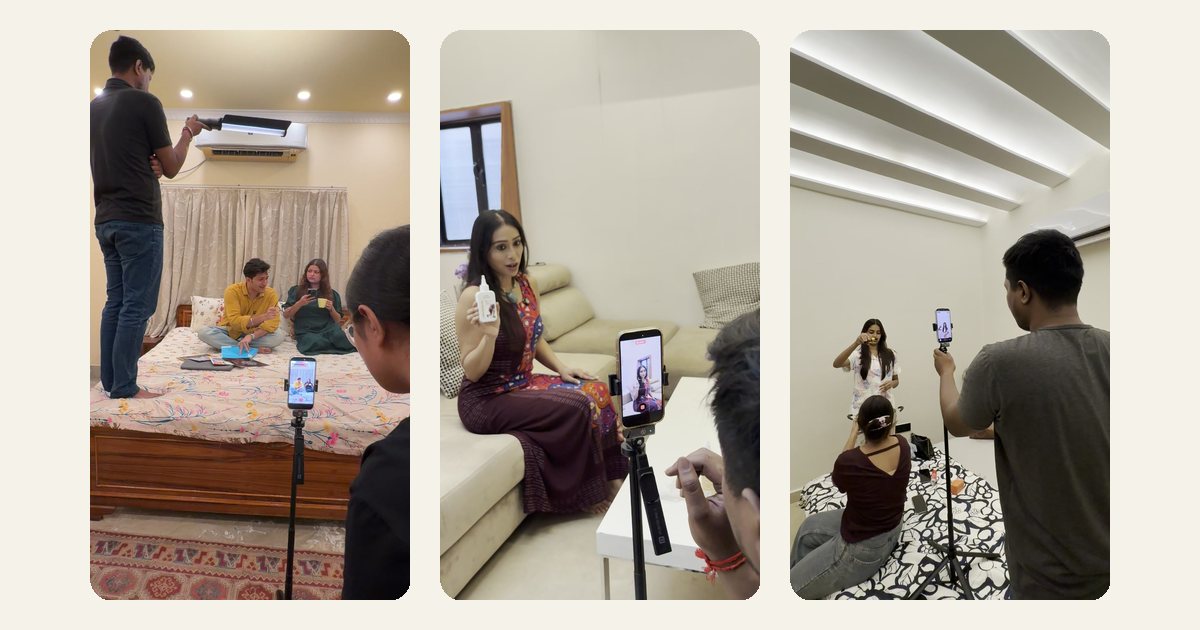
The difference between a UGC engagement that compounds and one that fizzles is almost always decided in the first 90 days, and mostly by process, not talent. Here is the week-by-week shape of a well-run engagement: what should happen, what the agency owes you, what you owe the agency, and the red flags worth acting on early. Timelines reflect how we run it at The UGC Agency; any competent shop should be within a week of these.
TL;DR
- Days 1 to 10: brand intake, creator matching, scripts approved, product shipped. Your responsiveness here sets the whole calendar.
- Days 10 to 30: first batch produced and delivered, 6 master videos with 3 hooks each, 18 ad-ready variants.
- Days 30 to 60: launch as a structured Meta test, judge on CPA against your control, not on taste.
- Days 60 to 90: iterate winning hooks with fresh footage, retire losers, decide scale-up with data.
Days 1 to 10: onboarding
A real onboarding is an interrogation of your offer, not a logo handover. Expect to answer: who buys, what objection stops them, what claims are provable (and in regulated categories, what ASCI and sector rules allow), which competitors' ads you envy. From that comes creator matching, by niche, city, age and language, and hook-first scripts sent for your approval.
What you owe the agency this week: fast script feedback (days, not weeks), product units shipped immediately, access to whoever can approve claims. Every day of delay here moves delivery a day; onboarding lag is the most common reason a "4-week" engagement takes eight.
Red flag: no structured intake. If briefing is one phone call and vibes, the videos will be generic regardless of how good the creators are.
Days 10 to 30: first production batch
Creators shoot once product and approved scripts are in hand. Under our plans, one production cycle delivers 6 master videos × 3 hook variations = 18 variants, shot vertical for Reels and Meta placements (the plan tiers differ on camera and format depth, see pricing). You review against the brief with a defined revision round, brief-level misses are the agency's problem to reshoot, taste-level tweaks are the revision round.
Red flag: deliverables trickling in one video at a time with no batch date, or "18 videos" arriving as one video in 18 crops. The math you were sold should be visible in the delivery folder.
Days 30 to 60: launch and learn
Run the batch as a structured test, not a creative dump into an existing ad set. The default we recommend is the 4-week UGC test: cold-audience campaign, hook-level variants competing, one variable read at a time. Judge on cost per result against your current control creative, with hook rate and hold rate as the diagnostic layer underneath. Whether we run the media or your team does, the agency should be reading the same dashboard and naming which hooks earned iteration, an agency that goes quiet after delivery is a production vendor, not a partner.
What you owe: enough spend and patience for the algorithm to learn. Killing a test at day three on gut feel buys you nothing but a restart.
Days 60 to 90: iterate and decide
By now the data has opinions. The second batch should not be 18 new guesses: winning hooks get fresh creators and new angles, losing concepts get retired, and one or two wildcards keep the pipeline honest. This is also when you decide the ongoing cadence, monthly batches align with how fast Meta exhausts creative, which is why our plans run as monthly cycles rather than one-off projects.
The 90-day question: is UGC beating your control on CPA, or trending toward it with each iteration? If yes, scaling is a budget decision. If no, the honest conversation is about offer and landing page as much as creative, and a good agency will say so instead of selling you a third identical batch.
What this looks like in practice
Brands like the ones on our portfolio, and the D2C names covered in brands that use UGC, run exactly this loop: onboard once, then monthly production cycles feeding a continuous test structure. The compounding effect is real but unglamorous, by month three the briefs write themselves because everyone knows which hooks this audience rewards.
Frequently asked questions
How long until we see the first videos?
With product in creators' hands and scripts approved inside week one, first delivery lands in the 2-to-4-week window. The variable is almost always brand-side approval speed, not production speed.
Do we need to pause our current ads during the test?
No. Your existing creative is the control. The UGC batch runs alongside it in a clean test structure so you can read the comparison honestly.
What if the first batch does not beat our control?
Expect the agency to come with hook-level diagnosis and a specific iteration plan, and to be candid when the constraint is the offer or landing page rather than the creative. A partner who only proposes "more videos" is not diagnosing.
What should we prepare before signing?
Product units ready to ship, provable claims collected, examples of ads you admire, and a named decision-maker for approvals. Bring answers to the 12 evaluation questions and onboarding compresses by a week.