UGC has accumulated a body of received wisdom over the past few years — things that "everyone knows" about what makes creator content perform. Some of this wisdom is grounded in real data. Some of it is mythology that has been repeated often enough to feel true. The myths are the expensive ones, because brands build production strategies around them and wonder why results don't match expectations. Here are the five we encounter most often.
Myth 1: Lower Production Quality Always Performs Better
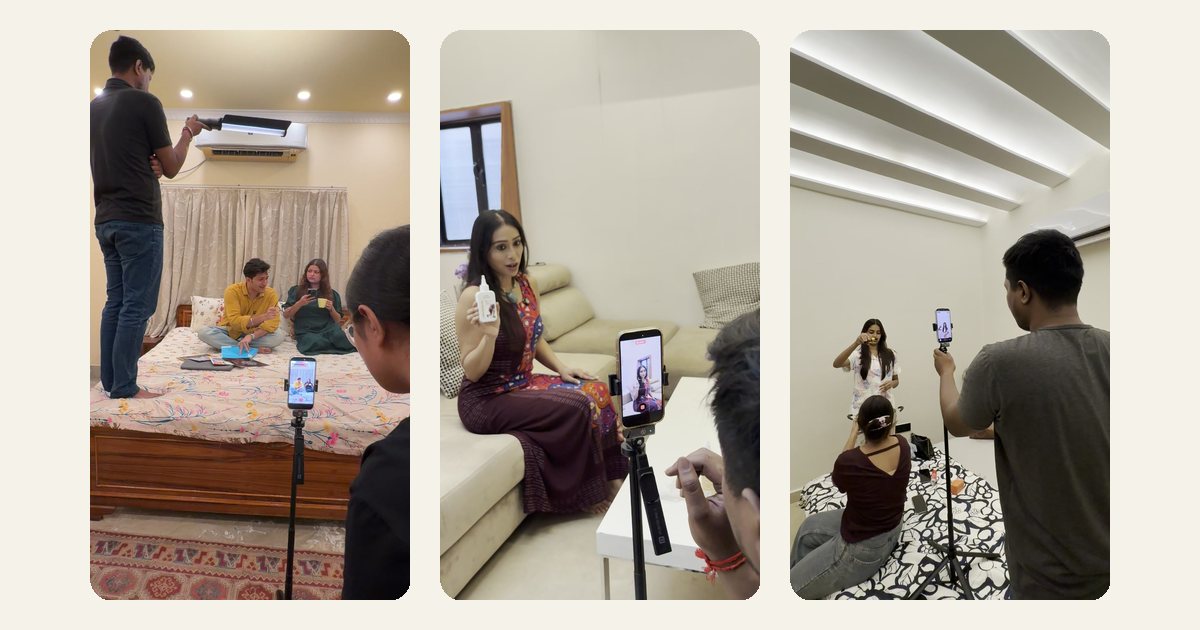
The insight that UGC outperforms polished brand content has been oversimplified into a belief that lo-fi equals high performance. This is wrong. What performs better than polished production is authentic production — and authenticity is not the same as poor quality. Shaky footage, inaudible audio, and confusing framing do not signal authenticity; they signal amateurism, and audiences disengage from amateurism just as quickly as they disengage from over-produced ads.
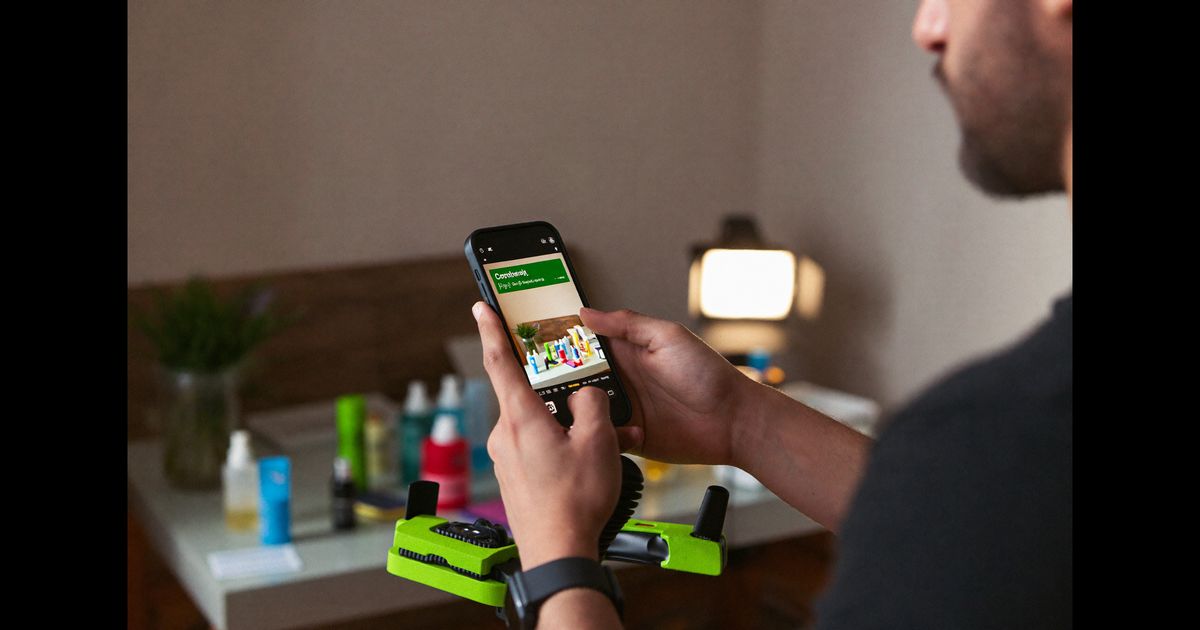
The production floor that UGC needs to clear is not high: stable handheld framing, audible and clear audio, good natural light or a ring light. These are baseline technical requirements that any serious creator meets. The ceiling — over-produced, heavily colour-graded, clearly scripted — is where authenticity dies. The sweet spot is in between, and it absolutely requires intentional production choices.
Myth 2: UGC Creators Don't Need a Brief Because Authenticity Is Spontaneous
This myth is responsible for a remarkable amount of wasted content. The reasoning goes: if we brief the creator too much, the content won't feel natural. So the brand sends minimal direction and hopes the creator's instincts produce something usable.
In practice, creators without clear direction default to generic content — they talk about the product the way they talk about every product, using the same emotional beats, the same narrative structure, the same kind of opening. It looks authentic because it is organic. It also rarely produces the specific result the brand campaign needs.
A well-written brief does not reduce authenticity — it channels authenticity toward a specific outcome. The best briefs give creators a clear problem-to-solve and genuine creative latitude in how they solve it. That combination produces content that feels real because the creator made real choices, not because they were set loose without direction.
Myth 3: More Videos Automatically Mean Better Results
Volume is necessary for meaningful creative testing, but volume without strategic variety is just more of the same. Brands that produce ten videos all using the same hook style, the same creator demographic, and the same narrative structure have not actually tested ten hypotheses — they have tested one hypothesis ten times.
Strategic variety means testing different hook types (problem-led, curiosity, social proof, contrast), different creator profiles (different ages, genders, aesthetic sensibilities), different product angles (ingredient-focused vs. results-focused vs. lifestyle-focused), and different video lengths. The volume target should be a diversity target, not just a quantity target.
Myth 4: UGC Is Only for Awareness Campaigns
Some brands use UGC exclusively at the top of funnel — for reach and brand awareness — and switch to polished content for retargeting and conversion campaigns. The assumption is that UGC is "soft" content that builds feeling but doesn't drive direct purchase decisions.
The data does not support this. UGC ads consistently drive lower CPAs than polished creative across all funnel stages when the content is appropriately calibrated for the stage. Bottom-of-funnel UGC typically leads with social proof, addresses purchase objections, and delivers a specific CTA with urgency — different from top-of-funnel UGC in its approach, but equally creator-led in its aesthetic. The format works throughout the funnel; what changes is the strategic intent embedded in the brief.
Myth 5: If UGC Is Working, You Don't Need to Keep Improving It
"Don't touch what's working" is reasonable advice for media buying. It is bad advice for creative strategy. Creator content fatigues — audiences see the same ad enough times that its performance declines, often within four to eight weeks for mid-scale spends. The creative that is working today will stop working, and if you have not been building the next generation of content already, you will face a gap.
Advanced UGC programs treat the current winner as a hypothesis to be extended, not a solution to be preserved. They are already testing variations of the winning hook, brief, and creator profile while the original runs. This keeps the creative pipeline full and prevents the performance cliffs that come from depending on a single piece of content for too long.
More subtly, a program that does not actively improve its brief quality, creator selection, and performance analysis is a program that is slowly falling behind brands that do. UGC is not a set-and-forget channel. It rewards continuous improvement more than almost any other creative format.
Key Takeaway
The myths that hurt brands most are the ones that contain a kernel of truth — lo-fi aesthetic, authenticity, volume — but have been taken further than the evidence supports. Understanding where each principle actually applies, and where it breaks down, is what separates a mature UGC strategy from a naive one. If you want to audit your current program against what actually works, book a strategy call with our team.