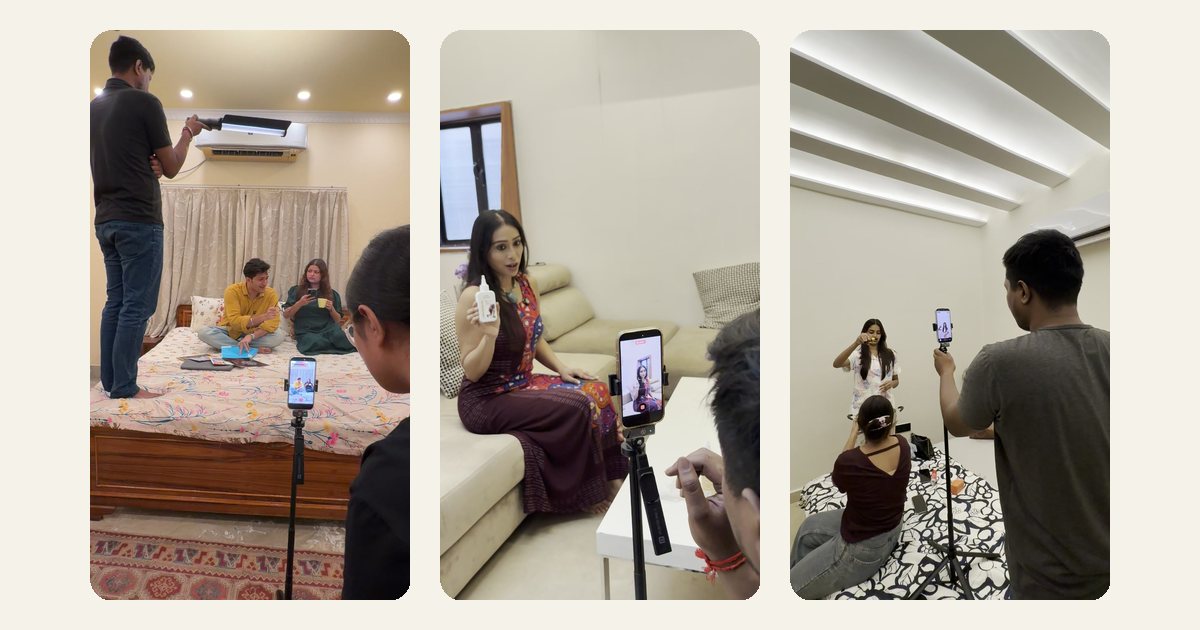
Buying a car in India has never been a quick decision. Whether it is a first-time buyer in Lucknow considering a hatchback under Rs.8 lakh or a family in Pune upgrading to a mid-size SUV, the journey from "I'm thinking about it" to "I'll sign today" typically spans four to eight weeks and involves a dozen touchpoints. UGC, video content made by real owners, test-drive enthusiasts, and auto-curious creators, can show up usefully at every one of those touchpoints. The challenge is making sure the right type of content reaches the buyer at the right stage, rather than carpet-bombing every audience with the same reel.
This article walks you through a funnel-based UGC strategy for automotive brands, from awareness all the way to post-purchase advocacy. No prior marketing theory is assumed. Think of the funnel as three broad zones: people who do not know your model yet (Top), people actively comparing options (Middle), and people ready to book a test drive or place an order (Bottom). UGC works differently in each zone, and mixing them up is how budgets get wasted.
Top of Funnel: Making the Model Feel Familiar
At this stage the buyer is not shopping yet. They are scrolling Instagram Reels, watching YouTube Shorts, or browsing Facebook while commuting. Your job is not to convince, it is to make your car appear in their mental shortlist before they consciously start researching.
The most effective Top-of-Funnel UGC formats for auto brands in India:
- Lifestyle drive reels (15–30 seconds): A creator drives through a scenic route, Manali, Coorg, the Bandra-Worli Sea Link at night, with the car subtly centred. No product specs. The emotion is "I want that life." Instagram and YouTube Shorts are the primary channels.
- First-impression walkarounds: A non-automotive creator (a travel vlogger, a mom blogger, a fitness influencer) receives a press unit and films their honest first look. Because they are not "car people," their reactions read as relatable rather than rehearsed. We brief creators to avoid reading spec sheets; we want instinctive reactions to the sunroof, the boot space, the dashboard feel.
- Language-specific cuts: India's auto market is deeply regional. A Tamil-language reel from a Chennai creator will outperform a dubbed Hindi version for Tamil Nadu audiences on Meta. Budget for at least Hindi, Tamil, Telugu, and Kannada versions of hero assets if you are a national brand. YouTube allows language-based targeting within India, making this cost-effective even for mid-size campaigns.
ASCI guidelines require that any creator endorsing a vehicle disclose the commercial relationship clearly, "Paid Partnership" or "#ad" must be visible without the viewer needing to tap "more." Do not bury disclosures in a block of hashtags. This applies to influencer-driven UGC even when the creator is using their own footage.
Middle of Funnel: Answering the Questions Buyers Actually Ask
Once someone is actively comparing, they turn to YouTube. Long-form UGC, owner reviews, comparison videos, Q&A vlogs, dominates mid-funnel search behaviour in India. A buyer considering the Maruti Fronx versus the Tata Nexon will search "Fronx real-world mileage" or "Nexon long-term ownership review" and spend 20 minutes with a single video. This is where detailed, honest creator content pays dividends that no 30-second ad can replicate.
- Owner-review series: Recruit verified owners (not actors playing owners) to film a 3–5 minute video at the 3-month or 6-month mark. Real wear patterns, honest fuel efficiency numbers from actual city driving in Delhi or Hyderabad, actual boot-space demos with a family's luggage, this content builds the credibility that pushes a wavering buyer toward a test-drive booking.
- Feature deep-dives: A 90-second vertical video dedicated to a single feature, say, ADAS lane-keep assist or the 360-degree parking camera, performs exceptionally well for premium and near-premium models. Buyers researching features like these are already leaning toward the category; this content closes the gap between "interested" and "ready."
- Comparison UGC: Some brands are cautious about creators directly comparing their car to a rival. In our production work, we find it more effective to brief creators to share their personal decision journey ("here is why I shortlisted these three and why I picked this one") rather than a head-to-head format. It reads as authentic, sidesteps potential competitive-claims issues under ASCI's comparative advertising guidelines, and still delivers the comparative information buyers want.
Middle-funnel content needs to answer the question the buyer is already typing into the search bar, not the question the brand wishes they were asking.
Bottom of Funnel: Reducing Friction at the Dealership Step
The single biggest drop-off point in the Indian auto purchase journey is between "intent to test drive" and "actually walking into a dealership." Reasons vary: buyers feel intimidated, they are unsure what to ask, or they worry about being pressured into a variant they did not want. UGC can directly address these anxieties.
- "How to book a test drive" walkthroughs: A creator films themselves booking a test drive on the brand's website or app, then showing up at a dealership in Bengaluru or Ahmedabad. Simple, unglamorous, genuinely useful. Run these as Meta conversion ads targeted at audiences who have visited your configurator page but not submitted a lead form.
- Variant-decision guides: "Should I pick the base or the mid variant?" is one of the most-searched automotive questions in India. A short video from an actual owner explaining which variants make sense for different use cases, city commuting versus highway travel, removes a real decision barrier. This format works well as a retargeting asset on YouTube and Meta.
- Financing UGC: A creator who visibly belongs to the target demographic, a young professional in their late 20s, for example, walking through an EMI calculator and explaining their down-payment logic is genuinely effective Bottom-of-Funnel content. Make sure any specific financial figures comply with RBI and ASCI guidelines on financial product advertising; do not state interest rates unless they are confirmed and current.
Post-Purchase: Turning Owners Into Ongoing Assets
Most automotive UGC strategies stop at the sale. That is a significant missed opportunity. An owner who is three months in and still enthusiastic about their vehicle is one of your most credible voices, and they already own the prop.
- Owner community programs: Brands like Mahindra have built active owner communities (Mahindra Adventure, for instance) that generate organic UGC at scale. Even smaller EV brands can seed this by creating a private WhatsApp group or Facebook Group for early owners and actively encouraging road-trip sharing. WhatsApp Status and broadcast channels (not public live streams, which WhatsApp does not support in India as a native feature) are practical distribution channels for owner content.
- Seasonal and milestone content: Brief a cohort of owners to film their car at 10,000 km. Ask them to share first monsoon season experiences. These posts perform strongly in organic reach because they are genuinely timely, and they seed the Top-of-Funnel for the next buyer cohort passively.
- Google review amplification: Encourage satisfied buyers to leave detailed photo and video reviews on Google Maps for dealerships. These reviews appear directly in local search results and carry enormous influence for buyers in the research phase. This costs nothing beyond a follow-up WhatsApp message from the dealership at the 30-day mark.
Budget Reality: What Does This Actually Cost in India?
Automotive UGC production in India varies widely by scope. A practical breakdown for a national passenger vehicle brand running a 90-day funnel campaign:
- Top-of-Funnel reel package (8 creators, Hindi + 2 regional languages): Rs.3–5 lakh for creator fees and production; media spend on top of this is separate.
- Middle-Funnel owner review series (4 long-form YouTube videos): Rs.1.5–2.5 lakh including scripting support, shoot logistics, and basic post-production.
- Bottom-of-Funnel conversion assets (4 short retargeting videos): Rs.80,000–1.2 lakh if produced with mid-tier creators in Tier cities across India.
- Post-purchase community seed content: Often the lowest cost, Rs.40,000–60,000 for a structured brief, incentive kits, and coordination, but requires consistent follow-through over several months.
Total first-quarter investment for a reasonably comprehensive funnel: Rs.6–9 lakh in content production. For context, a single full-page print ad in a national automotive supplement costs comparable or more, with no retargeting capability and no shelf life after the issue date.
Common Mistakes to Avoid
- Using only "car influencers" across the whole funnel: Automotive-specific creators are excellent for Middle-of-Funnel comparison content, but lifestyle creators with no car-niche identity often outperform at the Top of Funnel because their audiences trust them on taste, not technical knowledge.
- Identical briefs for different languages: A brief translated word-for-word into Tamil does not produce a Tamil-native video. Brief in the target language with a creator who genuinely uses the language daily, and allow them to adapt cultural references (festival references, city-specific driving conditions, etc.).
- No clear call to action at Bottom-of-Funnel: Every Bottom-of-Funnel asset must have a single, low-friction CTA: "Book a test drive at your nearest dealership" with a link. Not "learn more." Not "visit our website." Specific, actionable, one step.
- Skipping ASCI disclosure on test-unit content: If a creator is driving a press or loaner vehicle provided by the brand or its PR agency, that is a commercial arrangement that requires disclosure under ASCI guidelines, regardless of whether money changed hands.
Building a UGC funnel for an automotive brand is more structured work than it looks, it requires the right content type matched to the right buyer mindset at the right moment. If you want help mapping a creator strategy for your vehicle launch or model refresh, reach out for a consultation and we can walk through what a funnel plan looks like for your specific segment and market.