Click-through rate is one of the most watched metrics in D2C performance marketing, and one of the most misunderstood. When CTR drops, the instinct is to look at audience targeting, bidding strategy, or ad placement. These factors matter, but CTR is primarily a creative signal — it measures whether the content stopped the scroll and gave the viewer a reason to want to know more. That's a creative problem, not a targeting problem.
The Mechanics of a High-CTR Ad
High-CTR ads consistently share a structural pattern: a specific, tension-creating hook in the first two seconds, content that speaks directly to a felt problem or desire the viewer holds, and a clear — but not aggressive — implication that clicking will resolve that tension. The viewer doesn't click because they were asked to; they click because they want to find out more about something that felt relevant to them.
This is why generic hooks like "Introducing [Brand Name]" or "This product is amazing" consistently underperform. They contain no tension and no viewer-specific relevance. The creative question for every ad is: what would make someone who's scrolling past this stop and think "that's me"?
UGC Outperforms Studio Creative on CTR — and Why That Matters
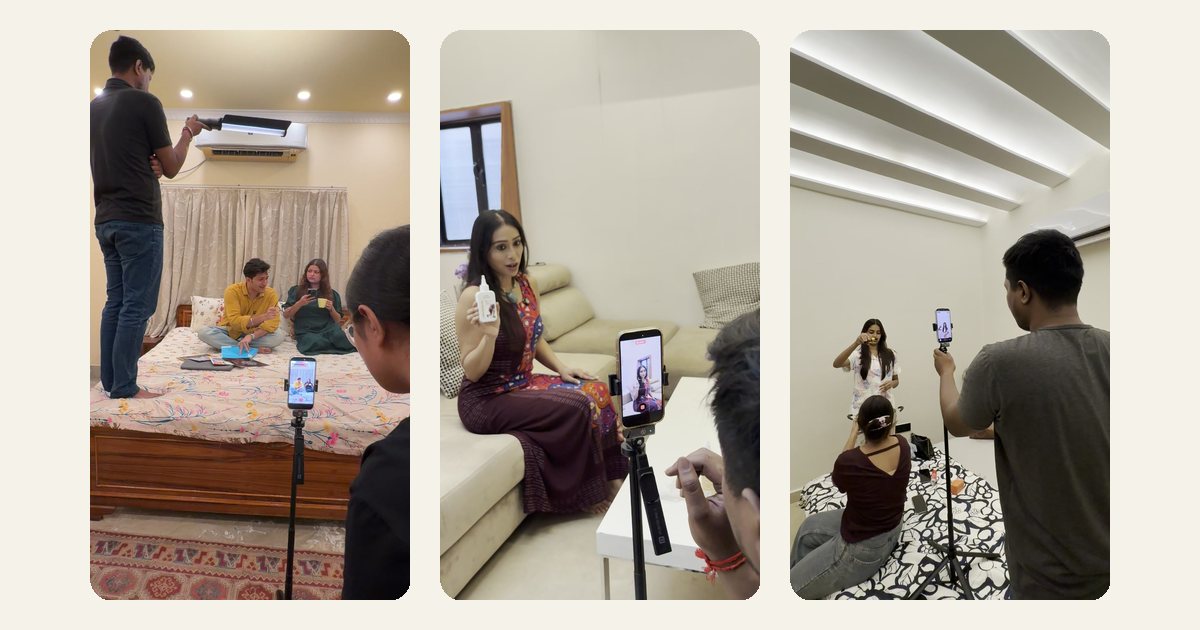
UGC-format content consistently achieves higher CTR than studio-produced brand creative on paid social platforms. The mechanism isn't magic — it's pattern recognition. Viewers on Instagram and Meta have been conditioned to skip content that looks like an ad. UGC looks like organic content, which means it clears the initial "is this worth watching?" gate more easily. The result is higher initial watch rates, which compound into higher CTR.
This doesn't mean all UGC outperforms all studio creative. Poorly structured UGC with a weak hook will still lose to a well-produced studio ad with genuine creative insight. The advantage of UGC is that it starts with a higher baseline of pattern-authenticity — but the strategy and structure still need to be right.
Hook Testing as a CTR Optimisation Strategy
Because the hook is so disproportionately important to CTR, hook testing is one of the highest-ROI activities in paid creative. Produce the same core content with three to four different opening lines or opening frames, run them against the same audience, and measure CTR variation. The winner reveals something real about how your audience responds — it's more than an A/B test, it's a signal about buyer psychology you can apply to all future creative.
Common high-performing hook structures in the D2C category include: the specific problem callout ("If your skin feels tight after washing..."), the counterintuitive claim ("I stopped using moisturiser for 30 days — here's what happened"), and the social proof opener ("My dermatologist told me to try this"). Each triggers a different emotional mechanism; test across categories to find what your specific audience responds to.
CTR Is Only Useful If the Funnel After the Click Is Sound
A high-CTR ad that drives to a slow-loading product page, a cluttered mobile checkout, or a page that doesn't match the promise of the ad will produce high CTR and low ROAS simultaneously. Before optimising aggressively for CTR, audit the landing experience: load speed, visual continuity with the ad, clarity of the value proposition on the page, and the friction in the path to purchase. CTR is a top-of-funnel metric; conversion rate is what determines whether the click was worth anything.
How to Build a High-CTR Creative System
- Brief every creative with an explicit hook hypothesis: what specific thing about this opening should make this audience stop?
- Produce multiple hook variations per core creative and test them systematically.
- Track CTR separately from conversion rate — a creative can have high CTR and poor conversion (wrong promise) or low CTR and decent conversion (strong bottom-funnel content).
- Review your top five CTR performers quarterly and extract the pattern — what do they have in common?
Takeaway
High CTR is the output of creative that speaks specifically to a viewer's felt reality — not the output of better targeting or higher bids. Building a creative system that systematically tests hooks and formats is the most reliable path to sustained CTR improvement. Book a strategy call to review your current creative approach and identify the CTR levers available to your brand.