Every few months, D2C brand founders and marketing leads circle through the same conversation: 'Meta is not working the way it used to.' The instinctive responses are to adjust audiences, test new campaign objectives, experiment with bid strategies, or cut budget and rebuild. These changes are almost always beside the point. Meta's algorithm has become sophisticated enough that targeting and bidding mistakes are largely self-correcting. The variable that almost never self-corrects is creative quality—and declining creative quality is the most common root cause of Meta performance decay.
Why Creative Quality Declines Over Time
Creative quality does not decline because teams get lazier. It declines because what was fresh and relevant six months ago is now familiar to your audience. Meta's ad serving algorithm surfaces your ads to the same pools of people repeatedly. When those people have seen your creative enough times, their engagement signals weaken—fewer clicks, fewer saves, shorter view times. The algorithm reads these weakening signals as a relevance decline and raises your effective CPM. It is a mechanical process, and better creatives are the mechanical solution.
The Specific Signals That Diagnose a Creative Problem
Not every Meta performance decline is a creative problem. To confirm the diagnosis, look at your account-level CPM trend, your per-ad hook rate, and your frequency data. If CPM is rising but your audience size and budget are stable, and if frequency per person per week is above 2.5, you have a creative fatigue problem rather than an audience or offer problem. If CPM is stable but CTR is falling, the issue is likely hook quality—your ad is being served but not stopping the scroll. Both are creative diagnoses with creative solutions.
What 'Better Creative' Actually Means for Meta
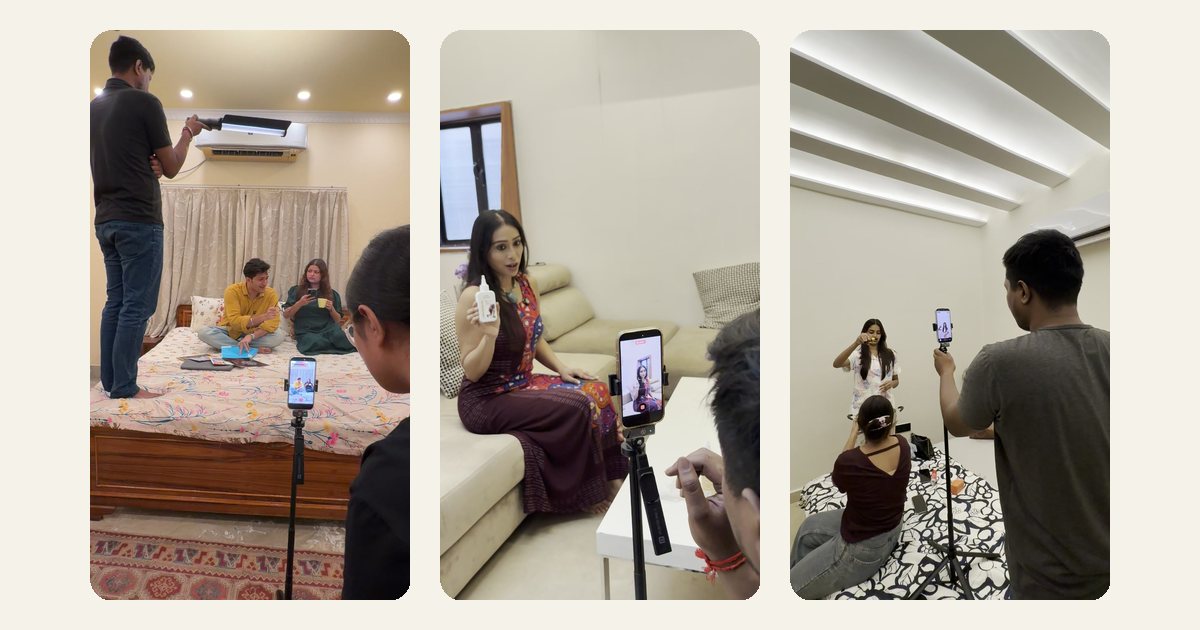
Better creative for Meta is not the same as more expensive or more polished creative. In most categories, UGC—real people speaking directly to a problem your product solves—outperforms high-production brand creative on key Meta metrics. This is because the platform's feed is native to casual, person-to-person content. An ad that looks like a peer's organic post earns a higher engagement rate than an ad that looks like a television commercial, and that engagement rate difference is reflected directly in your CPM and CTR.
Specifically, the highest-leverage improvements to Meta creative tend to be: strengthening the hook (first three seconds), making the core claim more specific and credible, and ensuring the creative format matches the placement (vertical video for Reels, square for feed).
How to Rebuild Creative Quality Systematically
The worst approach to declining Meta performance is an emergency creative scramble—briefing a creator on short notice, rushing feedback, and pushing out content that has not been tested at a modest spend level before scaling. This approach produces new creative with the same underlying problems as the old creative, just with different faces.
The right approach is a structured creative audit: identify which of your recent ads had the best hook rates, extract the structural elements they share, brief new creative that deliberately replicates those elements with fresh variation, and test at a controlled spend level before deploying at scale. This turns a performance emergency into a systematic improvement process.
Takeaway
Declining Meta performance is almost always a creative problem. The diagnosis is in your account data—CPM trends, hook rates, frequency signals—and the solution is systematic creative refresh with UGC formats that earn genuine audience engagement. If you want a creative audit of your current Meta account and a plan for rebuilding performance, book a strategy call and we will start with your data.