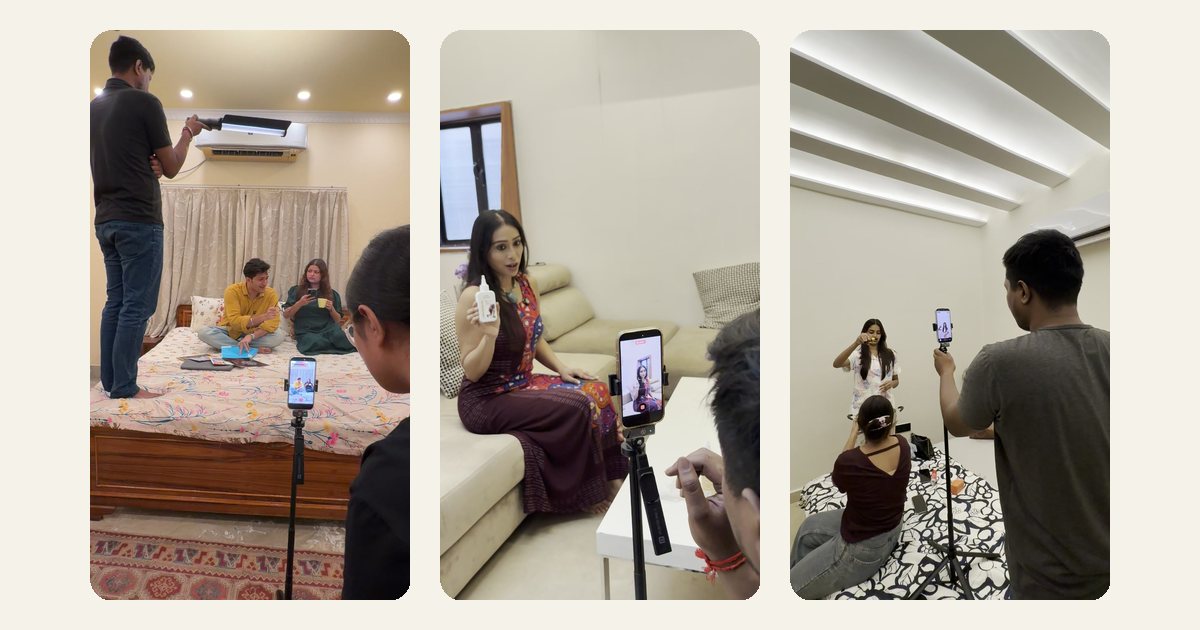
Selling a protein powder is one thing. Selling a probiotic for irritable bowel syndrome, a blood-sugar monitor, or a postpartum hair-loss supplement is a different challenge entirely, one where a creator saying the wrong thing can get your ad flagged, your brand reported to ASCI, and a consumer genuinely misled about their health. Yet healthcare and wellness brands on platforms like Instagram and YouTube are seeing some of the strongest return on UGC investment right now, precisely because authenticity does more for a health purchase decision than any celebrity endorsement. The gap between brands getting this right and brands making costly mistakes almost always comes down to a few specific choices made before a single frame is filmed.
This guide is written for marketers who are approaching UGC for healthcare products for the first time. No prior experience with creator campaigns is assumed. By the end, you will know exactly how to brief a creator, what you can and cannot say, which formats convert in the Indian market, and how to structure a campaign that protects both your brand and your customers.
Understanding What "Healthcare UGC" Actually Covers
The category is broader than most first-timers expect. For the purpose of this guide, healthcare UGC includes:
- Nutraceuticals and supplements, protein powders, vitamins, omega-3s, ayurvedic capsules, collagen drinks
- OTC (over-the-counter) wellness products, pain relief patches, eye drops, antacids, glucose drinks
- Personal diagnostics and devices, glucometers, pulse oximeters, period-tracking apps
- Skincare and haircare with therapeutic claims, anti-acne serums, dermatologist-tested moisturisers, DHT-blocking shampoos
- Femtech and reproductive health, period pain relief patches, prenatal supplements, lactation boosters
Each sub-category carries different regulatory sensitivity. A protein bar brand has far more creative latitude than a brand selling diabetic-care supplements. Knowing where your product sits determines how tightly you need to write your creator brief.
ASCI Rules Every Brief Must Respect
India's Advertising Standards Council of India (ASCI) has specific guidelines for health and wellness advertising, and these apply equally to paid UGC content. Creators who are paid to promote a product are legally required to disclose it (using #Ad or #Sponsored), but ASCI goes further for health products:
- No disease cure claims. A creator cannot say a supplement "cures" or "treats" any condition. Words like "manages," "supports," or "may help with" are safer, but still need to be backed by what's on your product label and any licensed claims your manufacturer holds.
- No before/after medical comparisons without a qualified disclaimer. A creator showing their clear skin is fine; a creator stating the product reversed their PCOS is not.
- Disclaimers must be legible. A 0.5-second white-text disclaimer at the bottom of a dark Reel does not meet the standard. ASCI expects text to be readable at normal speed.
- No impersonating a medical professional unless the creator actually is one (and even then, disclosures apply).
Practically, this means your brief should include a short "do not say" list alongside the positive messaging. We brief creators to keep a laminated copy of the product's approved claims in frame while filming their talking-head sections, it sounds theatrical, but it stops off-script moments that require expensive reshoots.
Formats That Actually Convert in This Category
Not every UGC format works equally well for healthcare. Here is what performs in practice across the Indian market:
- Routine integration videos (30–60 seconds). The creator shows the product as part of an existing habit, morning skincare, post-workout routine, or evening wind-down. This format avoids overclaiming because it is descriptive rather than prescriptive. A creator saying "I take this magnesium supplement after dinner and I sleep better now" is personal experience, not a medical claim. Works well on Instagram Reels and YouTube Shorts.
- FAQ-style talking heads. Creator addresses one specific question: "What does iron deficiency actually feel like?" or "Why is my hair shedding in the monsoon?", then naturally transitions to the product as part of the answer. This format works exceptionally well in Hindi and regional languages like Tamil and Marathi, where trust signals in the viewer's native tongue significantly lift completion rates.
- Honest review with caveats. Counter-intuitively, a creator who says "I didn't notice results until week three" or "it doesn't taste great but I've stuck with it" performs better for healthcare than a frictionless testimonial. Indian audiences, especially Tier 2 and Tier 3 buyers who are making a considered purchase at Rs.800–Rs.2,000 for a supplement, weight scepticism heavily.
- Expert-adjacent content. A creator who is a fitness trainer, a nutritionist-in-training, or a new mother brings contextual authority without needing a medical degree. Pharma and nutraceutical brands in Mumbai and Bengaluru have done well pairing their clinical messaging with creators whose audience already trusts their wellness content.
The single most common mistake we see brands make in healthcare UGC is confusing enthusiasm with credibility. A hyper-positive, no-caveats creator video reads as an ad. A considered, experience-led video reads as a recommendation.
Building a Creator Brief for Health Products
A strong brief for healthcare UGC needs to do more work than a brief for, say, a fashion brand. Here is the structure that reduces legal risk and improves output quality:
- Product explanation (1 paragraph). What the product actually does, what the active ingredients are, and what claims your brand is licensed to make. Do not assume the creator will read your product page.
- Approved claim list. A bullet list of exact phrases the creator can use. These come directly from your product label and any FSSAI or Ayush approvals you hold.
- Prohibited claim list. Just as important. Include words to avoid: "cure," "treat," "clinically proven" (unless you have actual peer-reviewed evidence), "doctor recommended" (unless you have documented doctor endorsements).
- Disclosure requirement. Specify the exact hashtag combination: typically #Ad + a brand hashtag. For long-form YouTube content, a verbal disclosure in the first 30 seconds is good practice alongside the description-box disclosure.
- Visual requirements. Ask for the product label to be clearly visible in at least one shot. This is not vanity, if a complaint is ever raised, a visible label showing FSSAI registration is protection for both the brand and the creator.
- Script guidance, not a script. Give three to four talking points and let the creator express them in their own words. A memorised script reads as scripted. Healthcare especially benefits from natural delivery.
Choosing the Right Creators
For healthcare products, audience trust matters more than raw follower count. A creator with 40,000 highly engaged followers in the fitness niche will almost certainly outperform a 500,000-follower generalist lifestyle creator for a protein supplement campaign.
When evaluating creators for healthcare UGC, look at:
- Content history. Has the creator promoted incompatible products? A creator who last month promoted a quick-weight-loss tea is a reputational risk for a science-backed supplement brand.
- Comment quality. Read twenty comments on their recent posts. Are followers asking genuine health questions and getting useful replies? That signals an audience that treats the creator as a trusted source, not just entertainment.
- Language alignment. For pan-India healthcare brands, this is underused. A Tamil-language creator promoting a diabetic-care supplement to a Tamil Nadu audience will almost always see higher comment intent than an English-language video targeting the same geography. Budget Rs.15,000–Rs.40,000 per regional creator for a solid, regionally authentic 60-second Reel.
- Platform home. For healthcare, YouTube long-form (5–10 minutes) and Instagram Reels are the primary distribution channels. YouTube works for detailed supplement reviews where the creator can explain mechanism. Reels work for awareness and top-of-funnel habit integration content.
Measurement: What to Track for Healthcare UGC
Because healthcare is a considered purchase, standard vanity metrics (likes, views) are less predictive than they are for impulse categories. Metrics that actually correlate with campaign performance here include:
- Save rate. Instagram saves indicate a viewer is bookmarking the post to revisit before making a purchase decision. For a supplement or device in the Rs.1,000–Rs.3,000 range, this is a leading indicator of intent.
- Comment sentiment and question volume. The number of comments asking "where can I buy this?" or "does this work for [specific condition]?" predicts conversion far better than total comment count.
- UTM-tracked link clicks from bio or pinned comment. Healthcare buyers rarely impulse-buy from a Reel. They click, browse the product page, leave, and return. Set your attribution window to at least 7 days for this category.
- Repeat purchase rate from creator cohorts. If you have coupon code tracking, compare first-purchase-to-repurchase rate by creator source. Healthcare supplements have strong LTV if the product works, the best UGC creators will show up in your highest-LTV acquisition cohorts.
If you are planning your first UGC campaign for a healthcare or wellness product and want a compliant, conversion-oriented approach built from the brief stage upward, our team is happy to walk you through the process. We have worked with supplement, skincare, and diagnostic brands across India and can help you move from idea to published creator content without the compliance guesswork.