Food and beverage brands in India have one of the most visually rich categories to work with, colour, texture, steam, crunch, drip, and yet a large proportion of F&B UGC on Instagram Reels and YouTube Shorts ends up looking like a low-budget food-delivery ad from 2019. The category is ripe for authentic, craveable content. The mistakes brands make are equally predictable, and fixing them is usually not expensive.
After briefing creators across snack, beverage, dairy, and D2C health-food brands from cities like Pune, Hyderabad, and Chennai, we have seen the same errors repeat. This article names them directly, and tells you what to do instead.
Mistake 1: Treating the Creator Like a Human Tripod
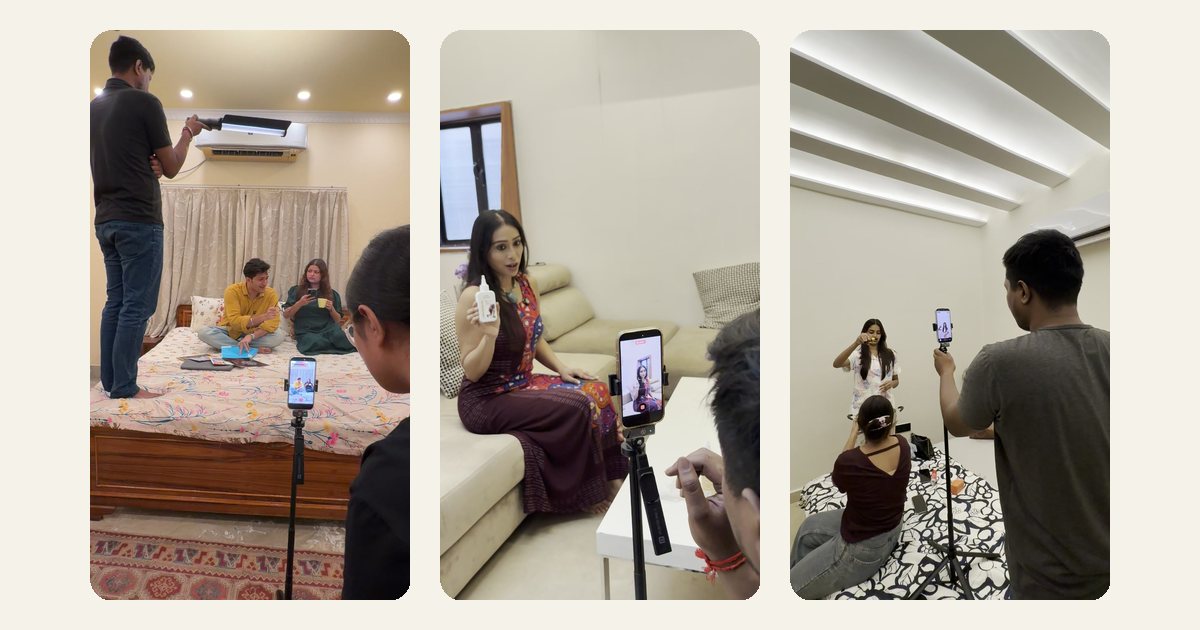
The most common brief we receive from F&B brands is a shot list: "show the product, pour it into a glass, take a sip, smile." That is not a brief; it is a storyboard for a TV commercial that nobody asked a creator to make. The result is stiff, over-lit content that audiences can smell as paid promotion before the first two seconds are up.
What works instead is context-first storytelling. The product enters a real moment in a real Indian household, a chai session with a grandmother in a Kolkata flat, a post-gym protein shake ritual in a Bangalore 1BHK, a midnight snack raid caught on a phone propped against a water bottle. The product solves something or punctuates something; it does not pose for a portrait.
- Brief the creator on the occasion, not the camera angles. "You've just got back from the office, it's 7 PM and you want something fast" tells a creator more than "hold the product at chest height and smile."
- Let the creator use their own kitchen, their own voice, their own regional slang. A Tamil creator saying "romba nalla irukku" while eating your snack will outperform a dubbed-over "so good!" every time in Tamil Nadu.
- Allow for imperfection: a slightly messy cutting board or a crumb on the table makes the content more trustworthy, not less.
Mistake 2: Ignoring ASCI Guidelines on Health and Taste Claims
F&B is one of the most heavily scrutinised categories under the Advertising Standards Council of India's guidelines. Brands regularly brief creators to say things like "the healthiest snack in India," "burns fat while you eat," or "clinically proven to boost immunity", without the substantiation to back those claims. ASCI's 2023 guidelines on health and wellness advertising apply to influencer content just as they apply to TV commercials, and the regulator has been actively pursuing cases.
Specific failure modes we see:
- Superlative claims without data: "India's best protein bar" or "the most natural juice brand" require substantiation. If you cannot prove it, do not script it.
- Implied medical benefits: Telling a creator to say a beverage "supports gut health" without a registered dietitian or published study to cite puts both the creator and the brand at risk of ASCI complaints.
- Missing #ad disclosure: ASCI's influencer guidelines require clear disclosure. We brief every creator on mandatory hashtag usage, #Ad or #Sponsored must appear in the caption, not buried in a string of fifteen other hashtags.
The fix is simpler than brands expect: stick to sensory and experiential claims ("tastes like" / "leaves you feeling" / "we've been making this in our facility in Coimbatore for 20 years") rather than health superlatives. Genuine origin stories and honest ingredient spotlights convert better and carry zero compliance risk.
Mistake 3: Shooting Without a Food Styling Brief
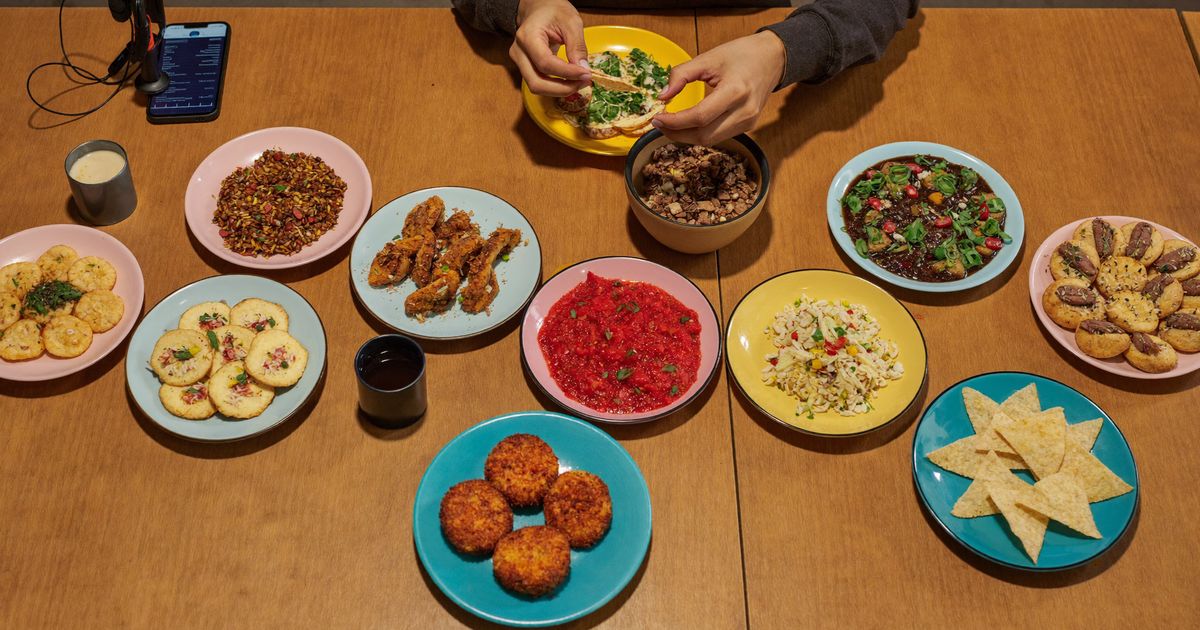
UGC does not mean zero production awareness. In the F&B category, how the food looks in the first frame determines whether a viewer stops scrolling. Brands hand creators a product and a general idea, then wonder why the Reels look grey and unappetising.
We give creators a one-page visual brief that covers:
- Lighting guidance: Natural window light positioned to the side, not overhead. This matters especially for liquid products, a cold beverage filmed against natural light shows condensation and colour; filmed under a yellow ceiling fan light it looks like motor oil.
- Background palette: Light or textured surfaces (marble contact paper, a wooden chopping board, a Madhubani-print table runner) keep food colours popping without looking like a studio set.
- The "first bite" or "first pour" rule: The most compelling frame in F&B UGC is the moment of consumption, the sound of a crunch, the pour of a thick mango lassi, the steam rising from a cup. We brief creators to capture this in the first 2–3 seconds. On Instagram Reels, you either hook in that window or you lose the viewer.
- Portion honesty: Do not send a Rs. 300 snack box and expect the creator to make it look abundant. If the product is premium and small in portion, brief for close-up texture shots, not wide shots that reveal a half-empty plate.
Mistake 4: Ignoring Regional Eating Contexts
India does not have a single food culture. A healthy breakfast bar positioned as a "quick morning meal" lands differently in Mumbai (where people routinely skip breakfast to beat the local train crowd) versus in a Bengaluru tech-park context (where creators film "desk lunch" content) versus in a traditional South Indian household where a full tiffin at 8 AM is non-negotiable. When brands brief creators with a single pan-India script, they are essentially advertising to nobody specific.
Practical approaches we use:
- Region-matched creator casting: For a brand selling a millet-based snack, we specifically cast creators in Telangana and Karnataka where millet is part of the dietary vocabulary. The creator does not have to explain what ragi is, the audience already trusts it.
- Language-first hooks: A Hindi hook on a Bengali food creator's Reel is a wasted opportunity. We brief creators to open in their primary language, even if the rest of the caption is bilingual.
- Occasion specificity by region: Chai time in UP is a different occasion from filter coffee at 6 AM in Tamil Nadu. Beverage brands that map their product to regional rituals, rather than generic "morning routine" language, see noticeably stronger completion rates on Reels.
Mistake 5: Over-Relying on Taste Reaction Videos Without Context
The "first bite reaction" format is not inherently wrong, it is just massively overused in Indian F&B UGC. When every creator is producing the same wide-eyed, hand-on-mouth, "oh my god" moment, it stops being credible. Audiences have learned to read it as a scripted performance.
The format still works when it carries specific detail. A creator who says "this tastes exactly like the chakli my aunt makes in Nashik, that particular jeera hit at the end" is far more persuasive than someone who just looks surprised. The specificity is what signals genuine experience rather than paid performance.
We brief creators to identify one very specific sensory detail, a texture, an aftertaste, a smell, and lead with that. Vague enthusiasm convinces nobody; precise description converts.
Beyond reaction videos, formats that consistently perform well for F&B in our experience include:
- Recipe integration: "I added this protein powder to my besan cheela batter and here is what happened", demonstrates product utility without feeling like an ad.
- Comparison framing: "I have been buying this from the local kirana for three years; now I tried the brand's direct pack, here is the difference I noticed." This works especially well for premium D2C products competing against unbranded or commodity alternatives.
- Day-in-the-life integration: The product appears naturally in a longer creator narrative, not as the centrepiece. This format works particularly well on YouTube Shorts and Instagram Reels for health food and beverage brands targeting urban millennials.
Mistake 6: Setting the Budget Wrong for the Category
F&B brands often under-budget for UGC relative to other D2C categories. The assumption is that food content is easy, just eat on camera. In practice, the F&B category requires more creator-side effort: sourcing props, organising the shoot environment, sometimes cooking or preparing the product. A micro-creator (50K–200K followers) producing genuinely usable F&B UGC typically charges Rs. 8,000–25,000 per deliverable depending on format and exclusivity. Brands expecting three polished Reels from a creator for Rs. 5,000 are going to get exactly the effort that budget communicates.
More importantly, the real ROI question for F&B UGC is not cost per video, it is cost per usable creative asset. If a brand needs ten strong ad creatives for Meta and Google, spending Rs. 2.5 lakh across eight well-briefed creators will yield more usable content than spending Rs. 5 lakh on a single studio shoot that produces five variations of the same polished-but-sterile look.
- Budget for creator briefing time. A 30-minute video call with each creator before the shoot is not overhead; it is the difference between usable and unusable content.
- Build in one round of reshoots per creator by default. F&B content often needs a second attempt once a brand sees the lighting or framing in the first draft.
- Negotiate raw footage rights upfront, not as an afterthought. Raw clips from a creator's shoot are enormously valuable for brand-side editing, trimming for different formats, adding captions, building split-test variations.
If you are working on a food or beverage brand and finding that your current UGC output is not driving the click-through or ROAS you expected, the issue is almost always one of the six mistakes above, not the category itself. We work with F&B brands across India to build UGC pipelines that are both legally sound and genuinely craveable. Book a consultation to talk through your current brief and what needs to change.