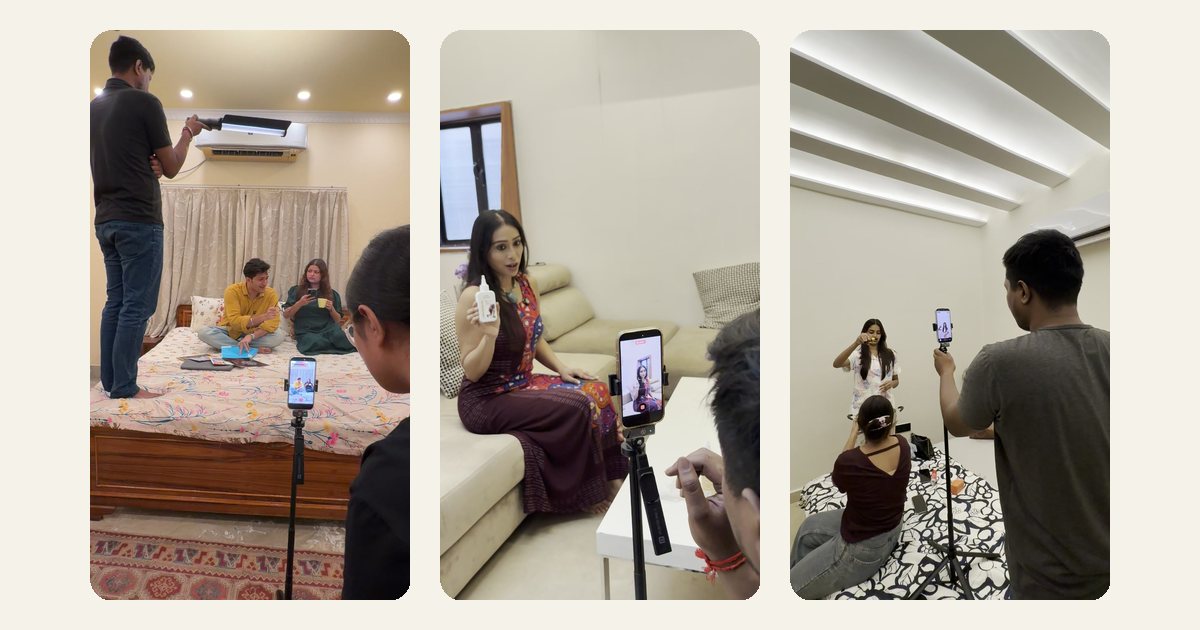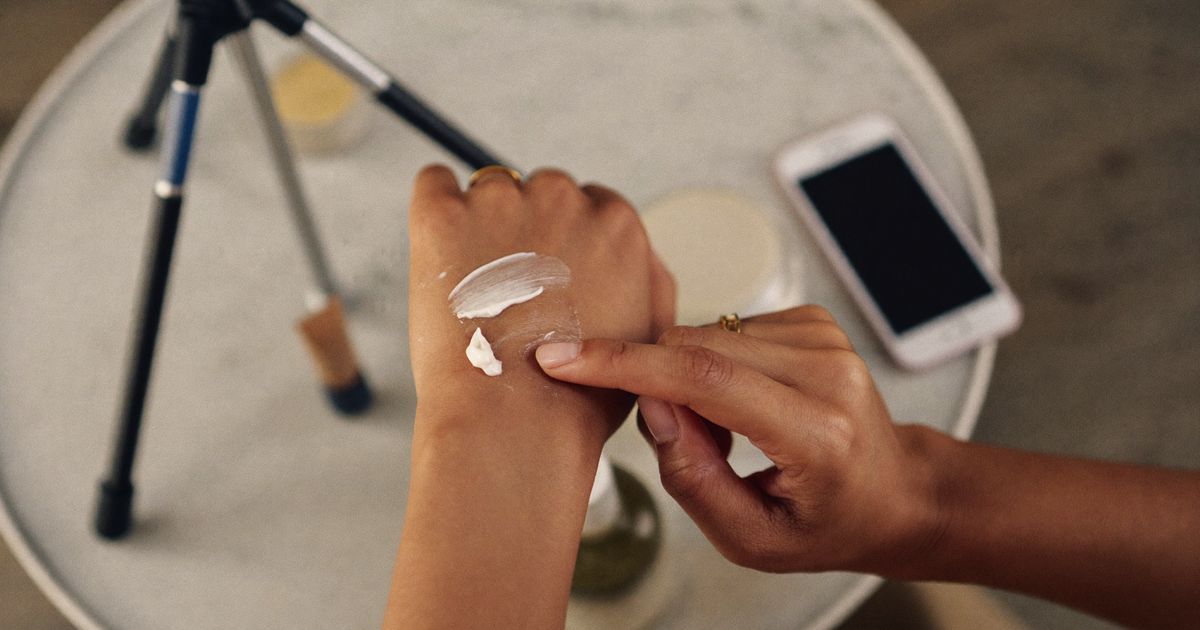
Jewelry is one of the most tactile categories in retail, and one of the hardest to sell online. A woman in Jaipur picking up a kundan necklace at a local showroom can feel the weight, catch it in the light, and imagine how it sits on her. Your product page cannot do any of that. UGC can come closer than anything else you will buy from a studio.
This guide walks you through exactly how jewelry brands, from D2C silver labels in Bengaluru to bridal jewelry houses in Kolkata, can build a repeatable UGC engine that converts browsers into buyers.
Step 1: Define What "Good UGC" Looks Like for Jewelry
Before you brief a single creator, decide which of the two primary UGC jobs you are hiring for: discovery content (short-form Reels and YouTube Shorts that introduce your brand to cold audiences) or conversion content (review-style or try-on videos that close warm traffic). Most brands need both, but they require different creator profiles and creative briefs.
- Discovery content: 15–30 second Reels with a strong hook in the first two seconds. Works best with creators who have an aesthetic that matches your positioning, a minimalist silver brand should not brief a maximalist creator known for heavy bridal looks.
- Conversion content: 60–90 second talking-head or voiceover reviews. The creator shows the piece from multiple angles, mentions the weight, comments on the clasp or finishing, and addresses the unspoken objection: "Will this tarnish?"
- Try-on content: The highest-performing format we see for jewelry, a real person putting on the piece on camera. This single format consistently drives down cost-per-click in Meta ad campaigns because it answers the "how does it actually look on someone?" question that product shots never resolve.
Step 2: Cast Creators Who Match Your Customer, Not Just Your Aesthetic
A common brief we encounter from jewelry clients asks for "aesthetic lifestyle creators", which often ends with beautiful but unconvincing content. For conversion, you want creators whose audience mirrors your buyer: age bracket, occasion type (daily wear vs. bridal), and even the language they speak.
A brand selling oxidised silver earrings priced between Rs.500–Rs.1,200 will get far better results briefing a Tamil or Kannada-speaking creator in Coimbatore or Mysuru than a bilingual Mumbai creator with a broader but less targeted following. If you are running ads into Tier 2 and Tier cities across India, which is where much of India's jewelry demand sits, your creator pool should reflect that geography.
- For bridal or heavy occasion jewelry, brief married women or engaged women in the 24–35 age bracket who can speak credibly about real-wedding context.
- For everyday jewelry (studs, minimalist rings, layered chains), college-aged or young professional creators with 5,000–50,000 Instagram followers often outperform large macro-influencers because their audiences are more tightly aligned.
- If you sell via Meesho or other reseller channels, brief creators who explicitly talk about value, quality at an accessible price point, because that is the actual purchase trigger for that customer.
Step 3: Write a Brief That Handles Jewelry's Unique Challenges
Jewelry UGC fails most often because of two production problems: poor lighting and missing context. A brief that does not address these will produce content that looks amateurish and sells nothing.
In our production work, we give jewelry creators the following specific guidance:
- Lighting: Natural window light from the side is the default. If shooting indoors, a ring light placed slightly off-centre prevents the flat, washed-out look that kills sparkle. Golden hour outdoor light works well for yellow gold; overcast or soft diffused light works better for silver and diamonds.
- Macro close-ups: Ask creators to use their phone's portrait mode or the native close-up setting to get at least two seconds of a detail shot, the clasp, the stone setting, the texture of a chain. Most viewers pause on these frames.
- Wrist and neck reference: Ask the creator to mention their wrist size or neck length if showing a bracelet or necklace, so viewers can self-reference the fit.
- Material and care: One line on whether the piece is water-resistant or likely to tarnish is the single most-answered question in DMs and reviews. Include it in the brief as a required talking point.
On ASCI compliance: if the creator's script includes claims like "lab-certified," "925 silver," "conflict-free stones," or "hypoallergenic," these must be accurate and verifiable. ASCI guidelines require that endorsements not mislead about material composition or certifications. If you are running this content as paid ads on Meta, which you should be, ensure the creator's post is disclosed with #Ad or #Paid partnership tagging. Non-disclosure on promoted posts is an ASCI violation that can generate complaints, and Meta's own policy independently requires it.
Step 4: Structure Your UGC for Paid Ads, Not Just Organic
Organic reach from creator posts is a bonus, not the primary ROI driver for most jewelry brands. The real leverage is using UGC as ad creative on Meta (Facebook and Instagram) and YouTube. This is where a Rs.30,000 production budget compounds into real returns, because you are renting a real person's face and voice for media spend that can scale to lakhs per month.
- Request raw files: Always ask creators to deliver the video without any music, stickers, or text overlays baked in. You need clean footage you can edit for different ad formats (1:1 for feed, 9:16 for Reels/Stories, 16:9 for YouTube).
- Shoot for multiple hooks: Brief the creator to deliver three versions of the opening 3–5 seconds, a question hook ("Still buying jewelry online without seeing how it actually looks?"), a visual hook (putting on the piece immediately), and a bold statement hook ("I've worn this everyday for 30 days, it still looks new"). You get three distinct ad variations from one shoot.
- Get usage rights in writing: Any contract or brief confirmation email should specify that you hold perpetual rights to use the content in paid advertising. Many creators who are comfortable with organic posting become hesitant about paid amplification later, resolve this upfront and factor it into your rate negotiation.
A practical budget framework for a direct-to-consumer jewelry brand starting out: allocate roughly Rs.20,000–Rs.25,000 per creator for a full package (two to three video deliverables, raw files, one month of usage rights). For a test batch of five creators across different styles and languages, you're looking at Rs.1,00,000–Rs.1,25,000 in production, modest against a monthly ad budget of Rs.3–5 lakh that the content will power.
Step 5: Build a UGC Library That Keeps Working
One-off UGC batches are wasteful. The most efficient jewelry brands we work with treat UGC like a content asset library that is refreshed quarterly and continuously tested in ads.
- Rotate hooks, not entire videos: If the middle-section of a creator video performs well, keep it and swap only the opening hook. This is faster and cheaper than reshooting entire videos.
- Archive by product category: Tag every video by jewelry type (earrings, necklaces, rings, bangles), occasion (daily wear, festive, bridal), creator language, and geographic market. When you launch a new collection or run a seasonal campaign (Karwa Chauth, Akshaya Tritiya, wedding season), you can pull matching assets immediately instead of briefing from scratch.
- Repurpose across owned channels: UGC that performs in ads can be embedded in product pages, added to email campaigns, and reposted on your brand's Instagram with creator credit. A single well-produced review video can function in five different placements.
- Collect UGC from actual buyers too: Prompt post-purchase UGC by including a card in the packaging with a QR code linking to a submission form, and offering a flat discount (Rs.100–Rs.200 off next purchase) in exchange. This is zero-cost production and often your most authentic content.
Step 6: Measure What Matters (and Stop Measuring What Doesn't)
For jewelry UGC running as paid ads, the metrics that tell you if the content is working are thumb-stop rate (what percentage of people who see the ad watch past three seconds), hook hold rate (how many finish the first 15 seconds), and ultimately cost per add-to-cart and cost per purchase. Vanity metrics, likes on the creator's organic post, follower counts, brand mention reach, are distractions unless you are specifically running a brand-awareness objective with a capped budget.
A try-on Reel that gets 400 organic likes but drives a 1.8% CTR and a Rs.180 cost-per-click in a Meta traffic campaign is worth infinitely more than a beautiful flatlay that earns 2,000 saves and moves nothing to checkout.
Run each new creative for at least five to seven days and a minimum spend of Rs.1,500–Rs.2,000 before drawing conclusions. Creative fatigue in jewelry typically appears around the four to six week mark on high-spend campaigns, schedule your next production batch before you need it, not after performance drops.
If your jewelry brand is ready to move from ad-hoc influencer deals to a structured UGC production system, with briefed creators, raw file delivery, and ad-ready content, book a free consultation with our team to see how we can set it up.