Digital advertising has a trust problem that predates banner blindness and ad blockers. When a brand says its product is good, the viewer's default response is skepticism — because the brand has an obvious financial interest in that claim. This isn't cynicism; it's rational. And it's the core challenge that content strategy on social media has to solve. The formats and approaches that consistently convert are the ones that bypass this skepticism by delivering something that feels like peer testimony rather than corporate messaging.
The Credibility Gap and What Causes It
The credibility gap in digital advertising exists at two levels. At the format level, production values that are too high signal "this is an ad" and activate the viewer's skepticism filter before a single word is heard. At the content level, claims that are too vague ("the best skincare you've ever tried") or too superlative trigger the same filter. Both cause viewers to disengage before the message has a chance to land.
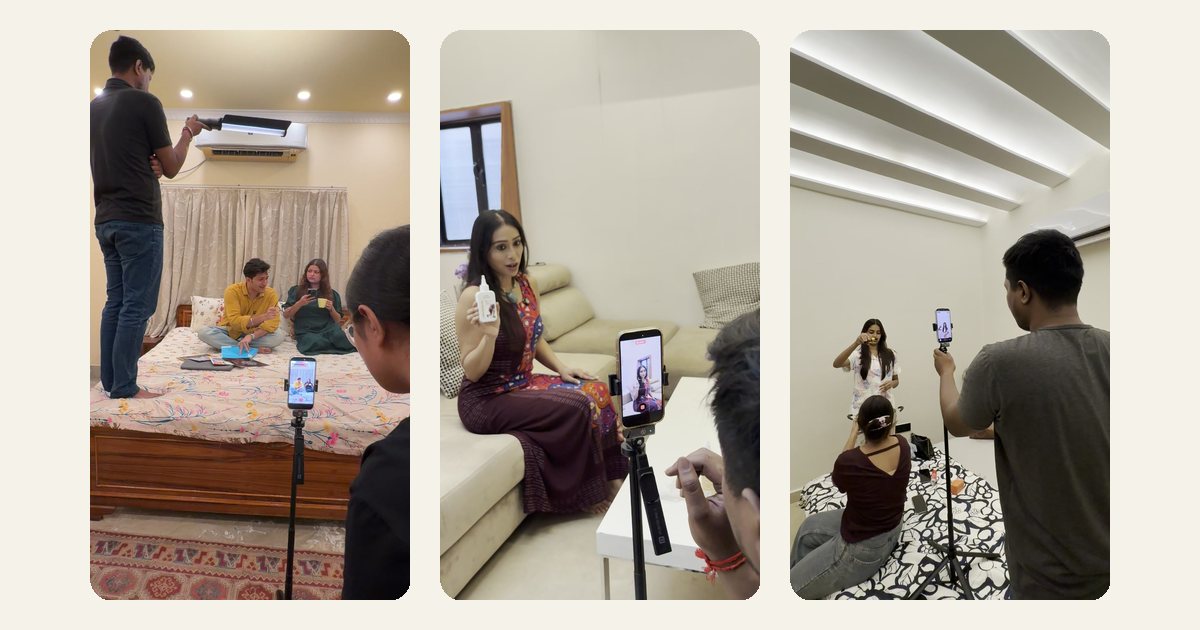
UGC-format content addresses both problems. The visual style — typically a real person in a real environment rather than a studio setup — clears the format-level filter. And the content, when briefed correctly, includes specific, verifiable-sounding claims from a person who appears to have genuine experience with the product, which clears the content-level filter.
Why Social Proof Works at a Psychological Level
Social proof — the tendency to look to others' behaviour and experience to guide our own decisions — is one of the most documented principles in consumer psychology. In the context of digital advertising, this means a real person saying "I've been using this oil for six weeks and my scalp isn't flaking anymore" carries more persuasive weight than a clinical claim about the same ingredient at the same concentration. The viewer doesn't just receive the information; they receive a model of someone like them making the decision and experiencing the result.
For Indian buyers specifically, this peer-credibility mechanism is amplified. Purchasing decisions — particularly for health, beauty, and lifestyle products — are often influenced by what people in one's social circle are seen using and recommending. UGC that feels like a genuine peer recommendation taps directly into this social purchasing pattern.
The Structural Elements That Build Trust in UGC Content
Not all UGC builds trust equally. The elements that drive credibility are:
- Specificity: Vague praise is discounted; specific outcomes with timeframes and context are credible.
- Acknowledged limitations: A creator who mentions something that didn't immediately work — and then explains how they adjusted — signals genuine experience rather than scripted positivity.
- Visual product interaction: Actually showing the texture, the unboxing, the application — not just talking about it — creates a sensory credibility that narration alone can't achieve.
- Natural delivery: A creator who sounds like they're having a conversation rather than reciting a script reads as trustworthy even when the content is structured.
Trust Signals That Extend Beyond the Ad
The trust that UGC builds doesn't have to be contained to the paid ad. The same content placed on a product detail page reassures buyers who are already in consideration mode. Used in a post-purchase email flow, it validates a buyer's decision and reduces buyer's remorse (which reduces returns). In a cart abandonment WhatsApp message, it can address the specific hesitation that caused the drop-off. The trust signal compounds across the funnel when the content is distributed intelligently.
Takeaway
The brands that consistently convert on social media are the ones that understand trust as a structural problem requiring a structural solution — not a messaging problem requiring cleverer copy. UGC closes the trust gap by delivering authentic peer testimony at scale. Book a strategy call to understand how a trust-focused UGC strategy could work for your specific audience and category.