Meta’s advertising platform in 2026 is more competitive than it has ever been for Indian D2C brands—and more creative-dependent. The audience has become faster at recognising and skipping branded content. The algorithm has become better at distinguishing between content that earns genuine attention and content that only looks like it might. In this environment, the creative is no longer one lever among many; it is the primary lever. Getting it right requires understanding how the platform rewards certain content types, how Indian audiences engage with different formats, and how to build a testing system that finds winning creative reliably.
What Meta Rewards in 2026
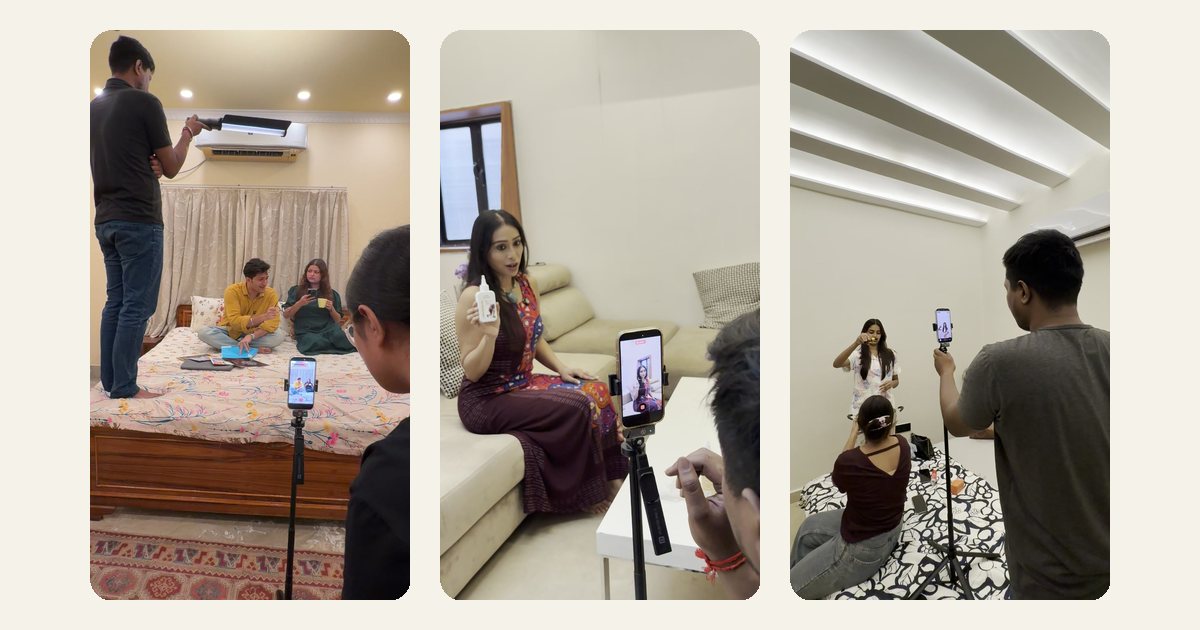
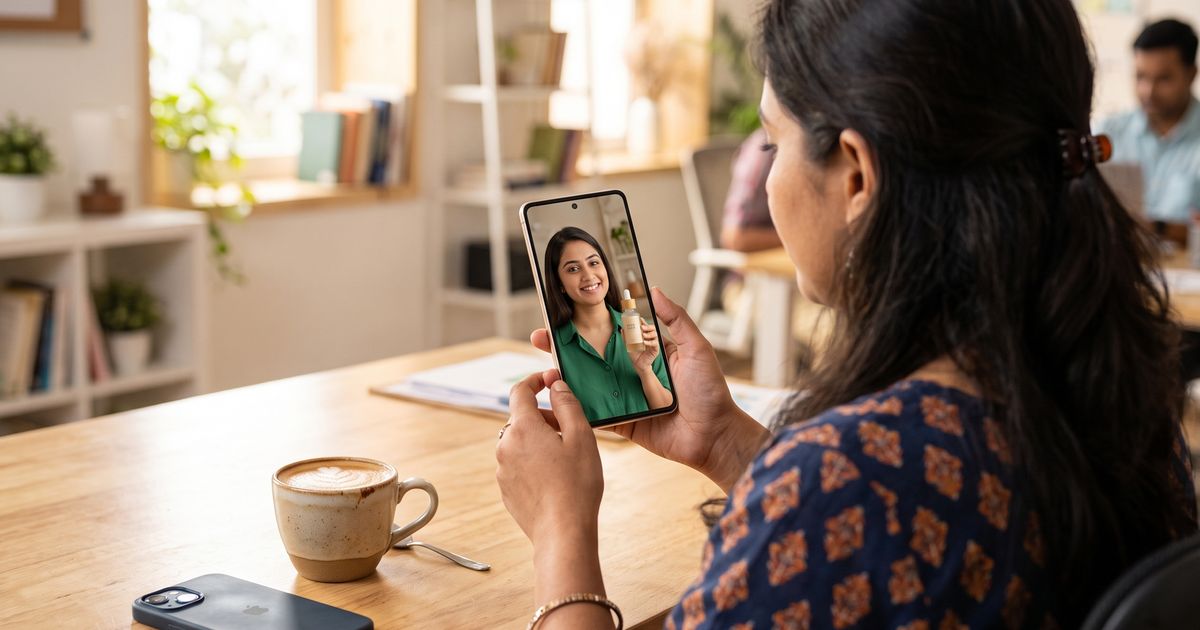
Meta’s algorithm distributes ad inventory based on predicted engagement—and predicted engagement is estimated from actual engagement signals. Content that drives high 3-second view rates, significant watch-through, comments, and saves gets delivered at lower CPMs than content that generates passive impressions. The practical consequence for creative strategy is straightforward: content that looks and behaves like organic content (UGC-style video, conversational delivery, native formats) earns better delivery efficiency than content that signals “advertisement.”
Meta’s Advantage+ placements in 2026 also mean that a single creative needs to function across multiple placements—feed, Stories, Reels—simultaneously. Vertical video with strong audio-off legibility (captions, on-screen text) and a hook visible within the first two seconds is now the baseline format requirement for any creative intended to scale.
UGC vs Studio Creative: Where Each Wins
The question is not whether to use UGC or studio creative—it is knowing which serves which objective. UGC-style creator video tends to outperform on conversion campaigns (purchase, lead generation, add-to-cart) because the social proof and authenticity drive purchase confidence. Studio-produced content—cleaner brand imagery, professional voiceover, high-production animation—tends to perform better for brand awareness campaigns where visual distinction and recall are the primary goals. The most effective Meta creative libraries include both: UGC driving conversion at the bottom of the funnel and brand content driving awareness at the top.
The Anatomy of a High-Performing Meta Creative in 2026
- Hook (0–3 seconds): A specific, pattern-breaking opening—a surprising statement, a relatable frustration expressed in natural language, or a visually unexpected shot. No logos, no brand names.
- Problem amplification (3–15 seconds): The creator or content deepens the viewer’s connection to the problem being solved. This is where empathy is built.
- Product introduction (15–30 seconds): The product enters the story as the solution, shown in use rather than on display.
- Proof element (30–45 seconds): A specific, credible outcome—a visible result, a time frame, a comparison to what came before.
- CTA (final 5–10 seconds): Clear, low-pressure direction. Where to go, what to do next. Avoid urgency language that undermines the authentic tone built in the preceding sections.
Testing Strategy: Finding Winners at Speed
The fastest path to a winning Meta creative is structured testing, not hoping. A practical testing framework for 2026:
- Run three to five hook variations of the same creative to identify which hook drives the best 3-second view rate.
- Take the winning hook and test it across two or three different creator demographics to identify which audience-creator match drives the best CTR.
- Test the winning hook-creator combination across formats (60s full, 30s cut, 15s cut) to find the length sweet spot for your audience at each funnel stage.
- Once a winning combination is identified, run it against a studio-produced alternative in the same ad set to confirm the UGC advantage for your specific product and audience.
Creative Fatigue and Rotation Planning
No creative runs forever. In 2026, at typical spend levels for mid-size D2C brands, a creative begins to fatigue within four to eight weeks. Build your creative calendar around this reality: plan new creative entering the ad account every three to four weeks, keep a ‘reserve’ library of tested creatives that can be re-activated for new audience segments or with updated overlays, and monitor frequency caps to identify fatigue before it shows up in CPC increases.
Takeaway
The best Meta ad creatives in 2026 are built around authentic stories, engineered hooks, vertical formats with audio-off legibility, and a systematic testing approach that finds winners rather than guessing at them. The brands building these capabilities now will maintain a structural advantage as ad costs continue to rise.
Want to build a Meta creative system for your brand? Book a strategy call and let’s design your 2026 creative strategy together.