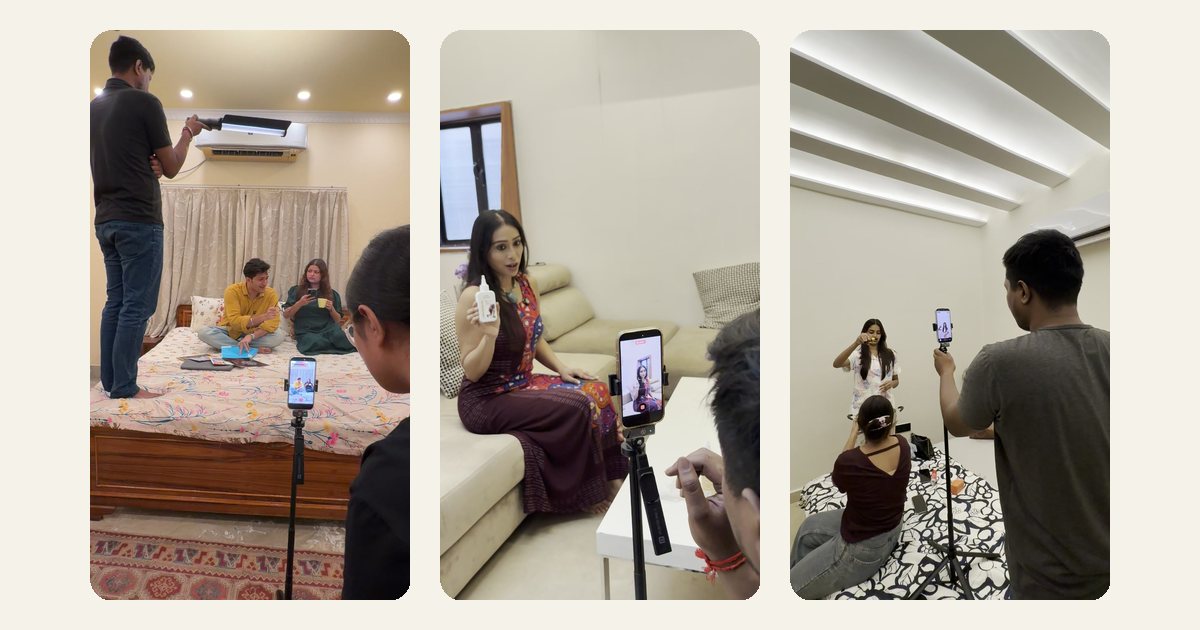
Creative testing in most D2C brands follows an informal pattern: produce a few UGC videos, run them simultaneously, call the one with the best ROAS the winner, and brief the next batch with vague instructions to 'do more of what worked.' The problem is that this approach rarely tells you why something worked. Without a structured framework, each test teaches you less than it should, and your creative output converges on sameness rather than genuine iteration.
Framework One: Hook Isolation Testing
The hook—the first three seconds of your UGC video—is the highest-leverage element in the entire ad. Before testing different creators, products, or angles, test your hooks in isolation. Take a single mid-performing video and create three to five alternate first-three-second segments with the same body content. Each variation tests a different hook format: a bold claim, a question, a visual demonstration, a pattern interrupt, a relatable situation. Run all variations to the same audience with equal budget for five to seven days and measure hook rate (the percentage of viewers who watch past three seconds) as your primary signal. This single test typically reveals more about your audience's attention triggers than months of ad-hoc creative production.
Framework Two: Angle Matrix Testing
An angle matrix maps your product's benefits against your audience's core motivations. For example, a protein supplement might have five benefits (taste, results, convenience, clean ingredients, price) and three primary audience motivations (performance, aesthetics, health consciousness). Brief one creator per angle—five to ten short videos—and run them simultaneously to a broad audience. The angle that generates the lowest cost per click and highest view-through rate tells you what your audience actually cares about, which is often different from what your internal team assumes.
Framework Three: Creator Archetype Testing
Different creator demographics build trust differently with different audience segments. A fitness creator talking about a protein supplement converts differently than a nutritionist creator, a home cook, or a busy parent. Test creator archetypes as a variable, holding the hook format and angle constant. This isolates the effect of the creator's perceived authority and demographic fit—information that makes your future creator sourcing far more precise.
Framework Four: Funnel-Stage Creative Testing
Not all UGC should be optimised for the same objective. Top-of-funnel UGC should stop the scroll and generate awareness; mid-funnel UGC should address objections; bottom-of-funnel UGC should provide the final social proof push that converts a warm audience. Test whether the same creator video performs differently when shown to cold versus warm audiences. Brands that segment their creative testing by funnel stage typically find that their best 'cold' creative is different from their best 'retargeting' creative—and running cold-optimised content to warm audiences is a common waste of retargeting budget.
Framework Five: Element Swap Testing
Once you have a strong-performing UGC asset, systematic element swapping extends its useful life and extracts maximum learning. Swap the outro but keep the hook. Add a price callout in the middle third. Replace the text overlay with a different claim. Each swap is a micro-test that adds to your understanding of what specifically drives conversion—and generates fresh variants that reset frequency for your existing audience.
Takeaway
Structured creative testing is what separates brands that compound their UGC learnings from brands that produce content in circles. The five frameworks above—hook isolation, angle matrix, creator archetype, funnel-stage, and element swap—give you a systematic way to extract genuine insight from every video you produce. If you want help designing a testing framework calibrated to your specific category and audience, book a strategy call and we will build it with you.