A testimonial video on Facebook is not the same as a review screenshot. The difference matters, one gets scrolled past, the other gets paused, replayed, and shared. If you are a creator who has just been briefed on your first testimonial job, or a brand that wants to produce these in-house, this guide explains every element from scratch: what to say, how to frame the shot, what Facebook's feed actually rewards, and how to stay on the right side of ASCI guidelines while you do it.
Testimonials are among the highest-converting ad formats on Facebook precisely because they feel like a recommendation from a peer. But that peer-feeling is fragile. One overscripted line, one ring-light glare that screams "paid ad," and the trust collapses. Getting this right is entirely learnable, here is how.
What Makes a Facebook Testimonial Different from Other UGC Formats
Facebook's feed algorithm in 2025 favours content that holds attention past the three-second mark. A testimonial video succeeds when the very first frame creates curiosity or recognition, not when it opens with the brand logo or a polished title card.
Unlike an Instagram Reel where visual novelty buys attention, Facebook users, especially in Tier cities across India like Jaipur, Nagpur, Coimbatore, and Patna, tend to stop for content that feels relatable and conversational. Hindi, Tamil, Telugu, Kannada, and Bengali testimonials consistently outperform English-only scripts in these markets when served to local audiences. If you are creating for a Hindi-speaking audience in Uttar Pradesh, film in Hindi or Hinglish. Do not translate a polished English script into Hindi, write it fresh in the voice of that audience.
The other structural difference: Facebook's placement mix includes Feed, Reels, and In-Stream ads. A testimonial filmed in 9:16 vertical format works across Feed (with cropping) and Reels. 16:9 horizontal only works in In-Stream. Unless the brief specifies otherwise, film at 9:16 or 1:1, these cover the widest placement range.
The Script Structure That Actually Works (for Beginners)
You do not need to memorise a script word-for-word. You need to understand a three-part structure and speak naturally within it. We brief creators using this framework consistently:
- The Problem (0–5 seconds): Open with a specific, relatable problem, not a generic one. "I was spending Rs.1,800 a month on a salon blow-dry twice a week" is specific. "I had bad hair" is not. The more precise the problem, the more the right viewer self-identifies and keeps watching.
- The Turning Point (5–20 seconds): This is where the product enters, but casually, not theatrically. Hold it naturally, use it as you would in real life, and describe what changed. Avoid corporate language: say "my hair stopped frizzing after day three" rather than "the formula delivers superior hydration."
- The Payoff (20–35 seconds): Land on the outcome in human terms. "I cancelled my salon subscription" or "I finally stopped hiding from cameras at family functions" lands harder than "I am very satisfied with this product."
For Facebook specifically, keep the total duration between 30 and 45 seconds for feed videos. In-stream pre-roll can go to 60 seconds, but only if the script earns that length, do not pad it.
Filming Basics: What Your Setup Should (and Should Not) Look Like
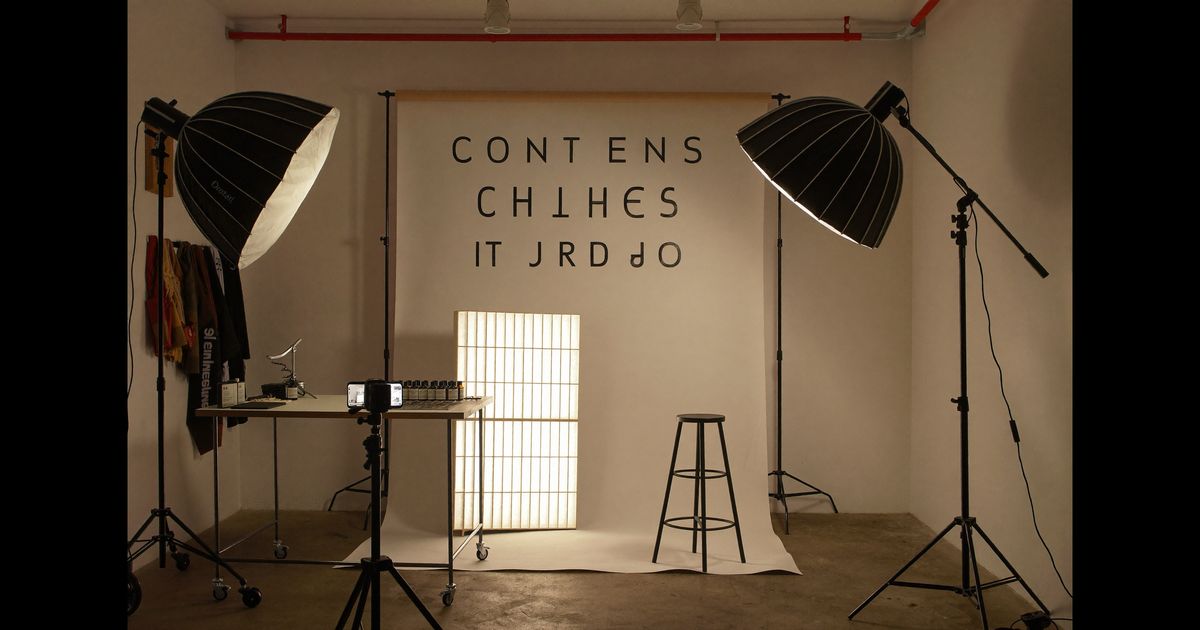
The most common beginner mistake is over-producing. A softbox, a ring light at full blast, and a white studio wall immediately signal "advertisement" to a Facebook user. That cognitive cue makes them distrust the testimonial before a word is spoken.
- Location: Film in a real environment relevant to the product. A skincare testimonial works in a bathroom or bedroom. A nutrition supplement works in a kitchen or living room. A productivity app testimonial works at a desk with natural clutter, not a clean showroom setup.
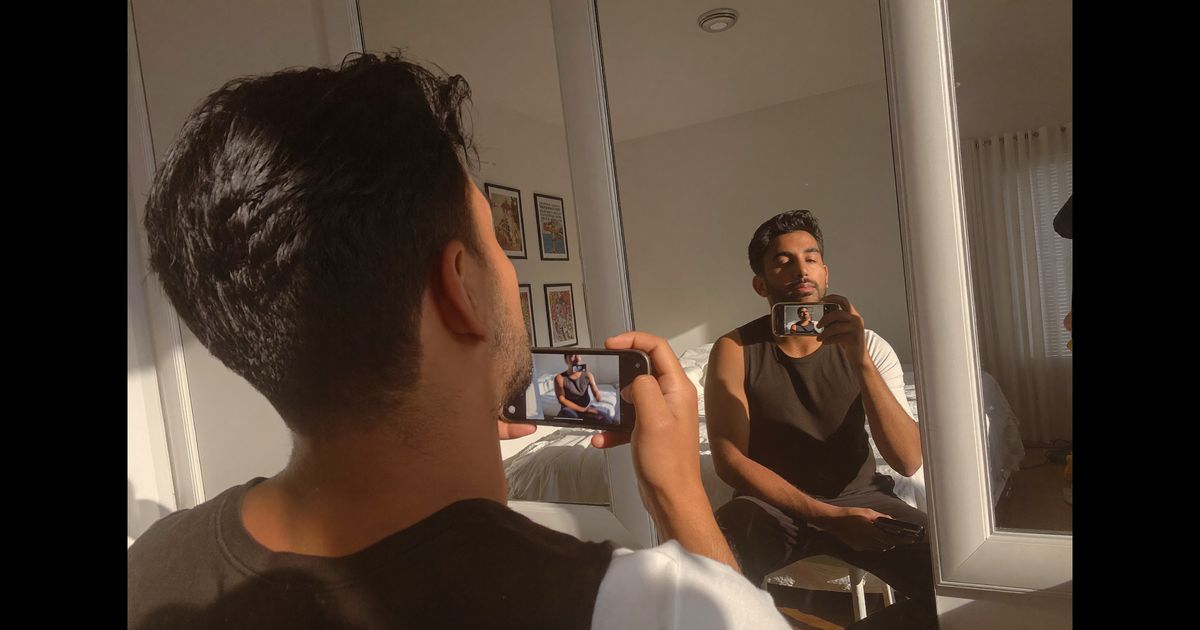
- Lighting: Face a window during daylight hours. Natural side-lighting is more convincing than any artificial setup for testimonials. If you must film at night, use a warm-toned lamp slightly to one side, not a ring light centred on your face.
- Audio: This is non-negotiable. Invest in a Rs.1,500–Rs.2,500 clip-on lavalier microphone that connects to your phone (brands like Boya and Maono are widely available on Amazon India). Bad audio kills trust faster than bad video. Test your audio clip before filming the full take.
- Framing: Keep your face occupying roughly the upper two-thirds of the frame in a 9:16 shot. This leaves room at the bottom for captions, Facebook auto-generates captions for ads, and they display in that zone. If your chin is cut off or the frame is too wide, the caption overlaps your face.
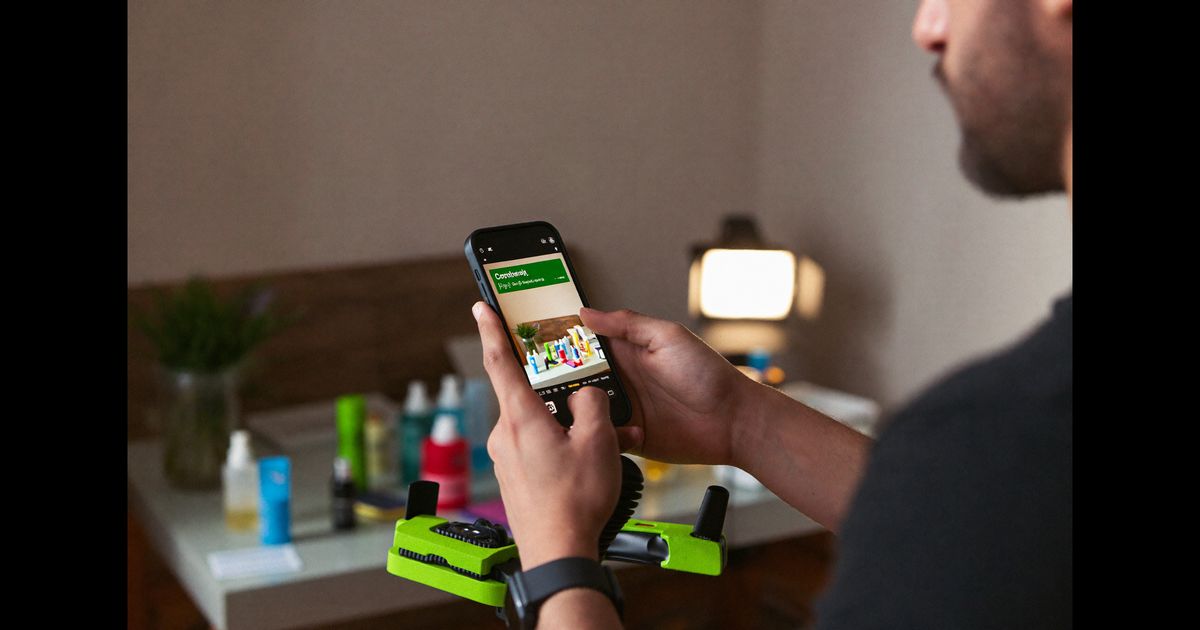
- Phone vs. camera: A recent Android or iPhone on a small tripod is perfectly sufficient. You do not need a DSLR. Shoot in the rear camera for better quality, but the front camera is acceptable if rear-camera framing is difficult without a second person.
ASCI Rules You Must Know Before You Publish
The Advertising Standards Council of India (ASCI) updated its influencer and UGC guidelines, and Facebook testimonials that run as paid ads fall squarely within scope. Breaking these rules can result in the ad being taken down, or worse, formal complaints against the brand.
- Disclose the relationship: If you are being paid, gifted products, or receiving any benefit, the video must include a disclosure. For Facebook ads, this is handled by the brand via the "Paid partnership" tag or the "Sponsored" label, the creator does not need to say it verbally in that case. However, if the same video is posted on your personal profile as organic content, you must include a visible text disclosure like #Ad or #Sponsored in the first line of the caption.
- No false claims: Do not claim the product cured a medical condition, guaranteed weight loss in a specific timeframe, or produced results that a typical user cannot expect. ASCI's 2023 guidelines specifically call out health and wellness categories. A line like "I lost 8 kg in two weeks using this" requires substantiation. Replace it with "I felt lighter and less bloated within the first week", experiential and honest.
- Endorsements must reflect genuine experience: You must have actually used the product. ASCI guidelines require that testimonials reflect the endorser's real experience. If you receive a product for review and genuinely like it, film naturally. If you have concerns about the product, raise them with the brand, do not film a dishonest testimonial.
Language, Tone, and the One Thing That Instantly Kills Trust
Trust in a testimonial lives in specificity and dies in superlatives. "This is the best product I have ever used" triggers scepticism. "This is the first moisturiser that did not make my face look oily by 2 PM in Kolkata's June heat" is believable because it is specific, local, and grounded in a real experience.
For multilingual creators working on brand briefs, here is a practical rule: think in the language you are filming in. Do not translate. A Tamil-speaking creator in Chennai who translates an English brief word-for-word into Tamil produces stiff, unnatural content. Ask the brand for the key messages (the problem, the benefit, the proof point) and reconstruct the script in your own words in Tamil. The brand's brief is a skeleton, your voice is the muscle.
We have seen consistently in our production work that creators who paraphrase the brief in their own regional language produce testimonials with 40–60% lower skip rates compared to translated scripts. The difference is audible in the first five seconds.
One more thing: do not look at your phone or notes while filming. If you need reminders, use a teleprompter app (PromptSmart is free on Android and iOS) or break the script into two-sentence chunks and film each chunk separately, then edit. Eye contact with the lens is the single biggest trust signal in a testimonial.
Simple Editing Checklist Before You Submit
You do not need advanced editing skills for a testimonial. The goal is clean, not cinematic. Before you send the finished file to a brand:
- Trim dead air at the start and end, the video should begin within one second of you speaking.
- Add captions. Use CapCut (free, available on Android and iOS) to auto-generate Hindi or English captions. Review them for errors, auto-captions misread Indian names and brand names regularly.
- Check audio levels in headphones. The voice should be clear and consistent throughout. If a sentence sounds significantly louder or softer than the rest, re-record it.
- Do not add stock music unless the brand brief asks for it. Music can distort the testimonial's authenticity, silence or ambient room sound is fine.
- Export at 1080p minimum. Facebook's compression is aggressive; starting with a higher-resolution export preserves clarity after platform compression.
- File name the video clearly: BrandName_TestimonialV1_CreatorName.mp4. Brands running multiple ad variations thank you for this.
What Brands Look for When They Review Your Testimonial
Understanding the brand's perspective helps you get approved faster and re-hired. When a brand receives your testimonial, their creative team is checking:
- Does the opening hook stop the scroll within three seconds?
- Is the product visible and held naturally (not stiffly brandished at the camera)?
- Are the claims made in the video consistent with what the brand can legally approve?
- Does the creator's energy feel genuine, or rehearsed?
- Is the background free of competing brands, clutter that distracts, or anything that could cause brand safety concerns?
- Is the audio clean enough to run as an ad without post-production cleanup?
Brands running Facebook ads at scale, spending Rs.50,000 to Rs.5,00,000 per month, typically test three to five creative variants of the same testimonial concept with different creators. The videos that pass the checklist above are the ones that get allocated media budget. The ones that require multiple revision rounds are deprioritised.
If your brand is ready to build a library of testimonials that consistently pass this bar, or if you are a creator looking to work on structured briefs with clear feedback, take a look at our recent work to see what the finished product looks like, or book a free consultation to talk through what a testimonial campaign looks like for your specific product and audience.