India had an estimated 95,000-110,000 active paid UGC creators in 2026, up from ~22,000 in 2023. The average per-video rate sits at ₹8,000-₹35,000, the dominant format is the 9-15 second Reel, and 40% of paid UGC supply now comes from Tier-cities across India like Lucknow, Coimbatore, Jaipur and Bhubaneswar. This guide covers exactly what a UGC creator does, how the Indian model differs from the US, real per-video earnings ranges by tier, the ASCI rules every paid creator must follow, and the five-step path to your first paid brief.
TL;DR
- A UGC creator is paid by a brand to produce short-form video that looks like an organic post, the brand uses the footage in ads or owned channels, not the creator's audience.
- This is fundamentally different from an influencer (paid for audience reach) or a studio creator (paid for polished, branded production).
- Indian UGC creators earn ₹8,000-₹35,000 per video on average, Tier-1 creators in Mumbai/Bangalore touch ₹50,000-₹1,20,000 for the same brief.
- The dominant format is 9-15 second vertical video, optimised for Meta Reels, Instagram Reels, and YouTube Shorts.
- ASCI guidelines require #ad or "Paid Partnership" disclosure on every brand-funded post, even when posted on the brand's page, not the creator's.
- ~40% of paid UGC supply now comes from Tier-2 and Tier-cities across India, growing 80% YoY versus 35% in metros.
- You don't need an audience to be a UGC creator, just a phone, decent lighting, and a tight 9-15 sec script.
1. What a UGC creator actually does (and doesn't do)
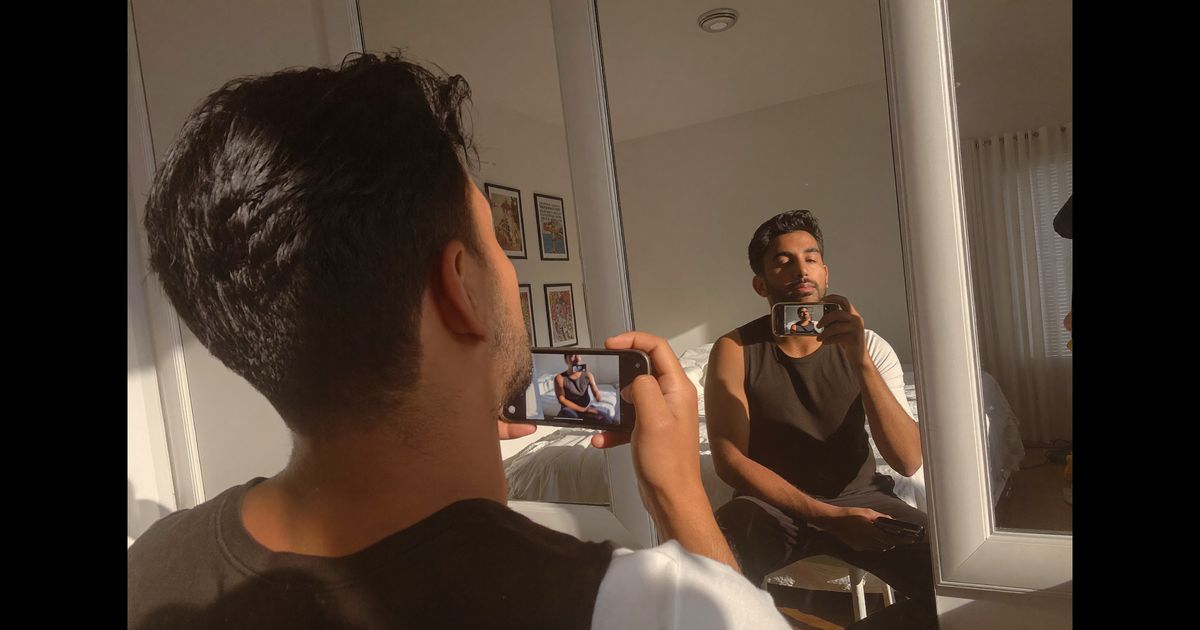
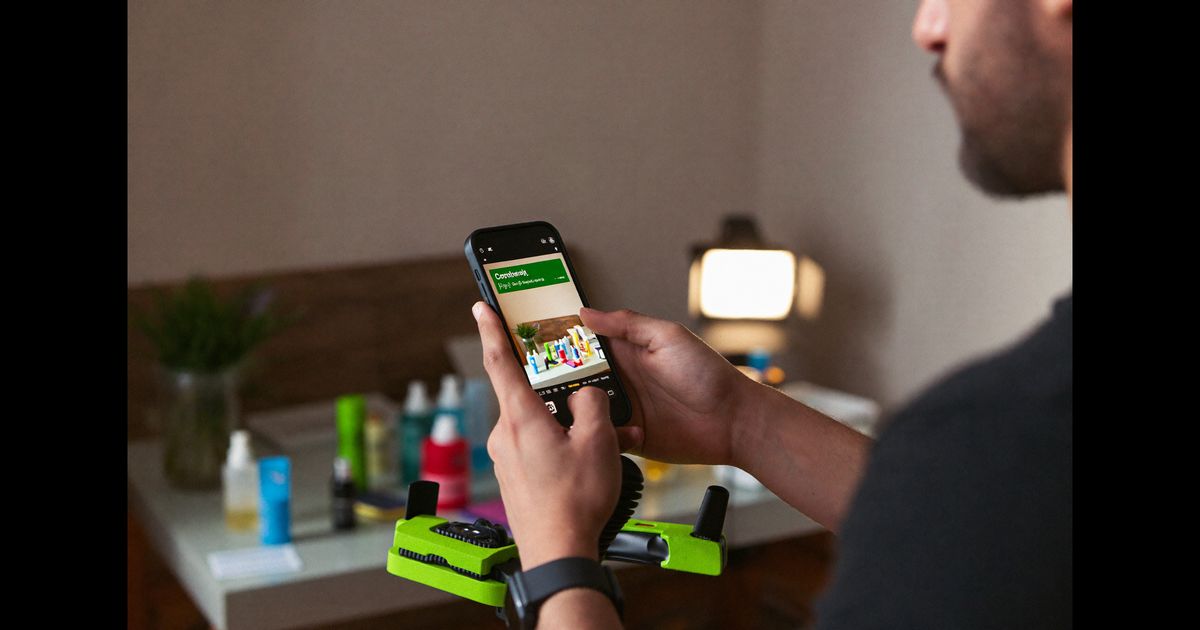
A UGC creator is hired by a brand to shoot short-form video using the brand's product, formatted as if it were an everyday user posting on Instagram or TikTok. The creator delivers the raw footage (or a lightly edited cut) to the brand. The brand then runs that footage as a paid ad, on Meta, Google, or sometimes on the brand's own organic feed.
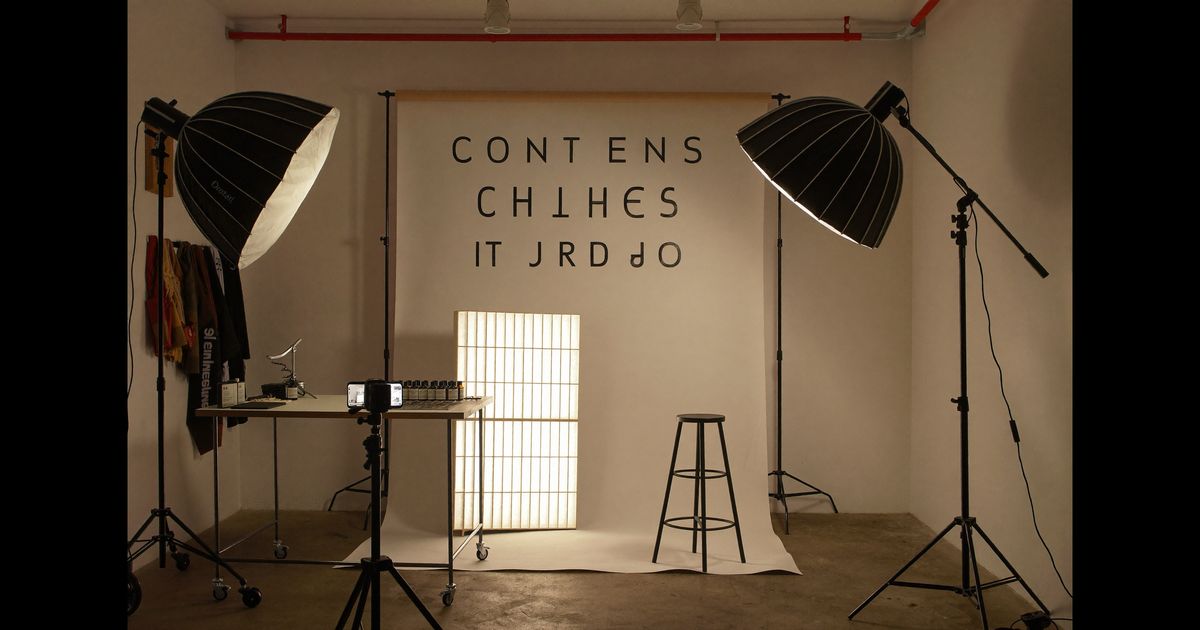
The defining feature is aesthetic, not platform: UGC looks like a casual selfie-style video shot on a phone, even when the underlying creator is a paid professional shooting in a Mumbai studio with three softboxes off-frame.
What a UGC creator is not:
- Not an influencer. An influencer is paid because of who follows them, the brand wants reach into the creator's audience. A UGC creator may have zero followers; the brand wants the footage, not the audience.
- Not a studio creator. A studio creator delivers a polished, brand-aesthetic asset (think: the kind of video you'd see on a brand's website hero). UGC is intentionally rough, handheld, native-platform-looking.
- Not a brand ambassador. Ambassadors have ongoing contracts and exclusivity. UGC creators are typically project-based: one brief, one or two videos, one invoice.
2. How the Indian UGC creator economy looks in 2026
Estimated size of the paid Indian UGC creator pool, by year:
- 2023: ~22,000 active creators (defined as ≥3 paid briefs in the year)
- 2024: ~48,000
- 2025: ~78,000
- 2026: ~95,000-110,000
Geographic mix (% of paid briefs delivered, 2026):
- Tier-1 metros (Mumbai, Delhi-NCR, Bangalore, Hyderabad, Chennai, Pune, Kolkata): 60%
- Tier-cities across India (Jaipur, Lucknow, Coimbatore, Bhubaneswar, Indore, Surat, Chandigarh, Kochi, etc.): 32%
- Tier-cities across India and towns: 8%
The Tier-2 share is growing fastest, +80% YoY vs +35% YoY for metros. Brands targeting vernacular-language audiences (Tamil, Telugu, Marathi, Bangla, Punjabi) are deliberately hiring from those cities for accent authenticity.
3. UGC creator earnings in India: real per-video rates
Average per-video rates by creator tier (2026):
- Beginner (under 6 months, no portfolio): ₹3,000-₹8,000
- Intermediate (6-18 months, 20-50 videos delivered): ₹8,000-₹20,000
- Established (18+ months, repeat brand clients): ₹20,000-₹50,000
- Top tier (specialist niche, vernacular fluency, brand-named reputation): ₹50,000-₹1,20,000
Rate-modifier rules brands typically apply:
- +20-40% for vernacular-language delivery (vs English)
- +25% for usage rights beyond 90 days
- +30-50% for whitelisting (allowing the brand to boost from the creator's handle)
- +15-20% for same-day or 48-hour turnaround
- −10-20% for bulk orders (videos in one brief)
Annual income for a full-time Indian UGC creator with 4-8 paid briefs per month at ₹12,000-₹25,000 average: roughly ₹6 lakh - ₹20 lakh. Top-tier creators with brand-named reputation and vernacular specialisation cross ₹35 lakh-₹60 lakh annually.
4. How brands hire UGC creators in India (the three paths)
Path 1: Direct outreach via Instagram DM. The brand's marketing manager scrolls Reels, finds someone whose face/voice fits the brief, and DMs them. Common for ad-hoc briefs under ₹50,000. Pros: cheap. Cons: no contract, no SLAs, no vetting, quality and timeline are both lottery.
Path 2: UGC marketplaces / platforms. Indian platforms like Trell, FrodX, ScrollMantra, plus international ones like Trend, Cohley, Insense. Creators list profiles + sample reels; brands post briefs; the platform handles matching and payments. Pros: vetted creators, escrow payments, clearer contracts. Cons: 10-25% platform fee, less control over creator selection.
Path 3: UGC agencies. Specialist agencies (like The UGC Agency) take a brief and handle creator sourcing, scripting, shoot management, ASCI compliance, and delivery. The brand pays one invoice; the agency manages 5-50 creators in the background. Pros: predictable volume and quality, India-wide casting, full compliance handling. Cons: 1.5-2x the creator-direct rate, since the agency is doing the project management.
Roughly 65% of Indian D2C UGC spend in 2026 flows through path 2 or 3; only 35% remains direct outreach.
5. Skills and equipment: what you actually need
Equipment (under ₹15,000 total):
- Modern smartphone with good front camera (iPhone 11+ or any Samsung/OnePlus from 2022 onwards is fine)
- A ring light or one window with consistent natural light
- Tripod or phone stand (₹500-₹1,500)
- A lapel mic if you're doing voiceovers, Boya, Rode WirelessGo, or any ₹1,500-₹4,000 model
Skills that get repeat work:
- Camera presence. The single biggest filter. The creators who get rebooked are the ones who feel like they're talking to a friend, not reading a script.
- Tight scripting. A 9-second video has room for ~22-26 words. Brands want a hook in the first 1.5 seconds, the product on screen by second 3, and a call-to-action by second 9.
- Native-platform editing. CapCut or InShot proficiency. Captions burned in (most ads play muted), trending audio overlays, B-roll cuts every 1.5-2 seconds.
- Vernacular fluency. Optional but premium-priced. If you can deliver the same 9-second script in Hindi, Tamil, Telugu, Marathi, or Bangla, you can charge 20-40% more.
- Turnaround discipline. Brands hate creators who go silent for a week. The single biggest reputation driver is consistent 48-72 hour delivery.
6. ASCI compliance: the rule every Indian UGC creator must know
Under the ASCI (Advertising Standards Council of India) Guidelines for Influencer Advertising in Digital Media, last updated in 2023, every paid creator content piece must carry a clear and upfront disclosure. This applies even when the post lives on the brand's page, not the creator's.
Acceptable disclosure formats:
- #ad (at the start of the caption, not buried)
- #sponsored
- "Paid Partnership with [brand]" (Instagram's built-in tag)
- #partner or #collab (only when paired with a clearer term)
Disclosures that fail ASCI: #thanks, #gifted alone (when money also changed hands), tagging the brand without a disclosure word, putting the disclosure in the 15th hashtag of a 30-hashtag caption.
ASCI violations carry brand-level penalties: the brand can be ordered to take the ad down, may face a public censure listing on ASCI's monthly Complaints Report, and faces secondary risk under the Consumer Protection Act 2019 if a misleading-ad case is filed. Creators who repeatedly produce non-compliant content get blacklisted by agencies, even when the brand is technically the one penalised.
7. How to become a UGC creator in India: the 5-step path
Step 1: Shoot a portfolio of 5-8 sample videos. Pick products you already own (skincare, snacks, an app you use). Treat them as if a brand paid you. This is your demo reel.
Step 2: Set up a simple landing page or Linktree. Include the 5-8 videos, your day-rate, the formats you deliver (9-15 sec Reel, 30 sec testimonial, unboxing, before/after), and languages you can shoot in.
Step 3: Apply to 3-5 UGC marketplaces. Trell, FrodX, ScrollMantra are India-first. Trend.io, Cohley, Insense accept Indian creators and pay in INR or USD. Each takes 7-14 days to approve. Most pay 5-15 days after delivery.
Step 4: Pitch 5 D2C brands per week directly. Find brands actively running Meta ads (use the Meta Ad Library, it's free). DM them on Instagram or LinkedIn with a 30-second pitch + your portfolio link. Conversion rate: 3-8% reply rate, 1-2% conversion to paid brief in the first month.
Step 5: Niche down by month 6. Generic UGC pays ₹8,000-₹12,000 per video. Specialised UGC (beauty hero shots, fitness time-lapse, fintech app-walkthrough, baby-product safety messaging) pays ₹20,000-₹40,000. The fastest path to ₹6 lakh+ annual income is picking one vertical and becoming the obvious choice for it.
8. Common first-year mistakes
- Undercharging out of fear. ₹2,000 a video sets your reputation as a low-ticket creator and the brands you attract treat you that way for years.
- Skipping the contract. Always get a one-page deliverables doc covering: number of videos, format, usage period, exclusivity (if any), payment terms (50% advance / 50% on delivery is industry standard).
- Treating every brief the same. A skincare brand wants soft warm light and slow B-roll. A fitness brand wants high-energy cuts. Brands rebook creators who study the brand's existing ads before shooting.
- Not disclosing #ad properly. ASCI violation = silently blacklisted from quality brands.
- Posting the brand's product on your own feed without permission. Some briefs are whitelisting (brand boosts your post), others are raw-footage delivery (brand uses the footage but you never post it). Always confirm.
9. Frequently asked questions
Q: Do I need a minimum follower count to be a UGC creator in India?
No. Most paid UGC creators in India have under 5,000 followers. Brands pay for the footage, not the audience. If you're also being paid to post on your own page (whitelisting), follower count matters, typically 10,000+ is the minimum for that to be commercially interesting.
Q: How much does a UGC creator earn in India per month?
A full-time Indian UGC creator with 4-8 briefs per month at ₹12,000-₹25,000 average earns ₹50,000-₹2,00,000 per month. Beginners average ₹15,000-₹40,000 per month in their first 6 months. Top-tier specialists cross ₹3 lakh-₹5 lakh per month.
Q: What's the difference between a UGC creator and an influencer?
An influencer is paid for their audience, the brand wants reach. A UGC creator is paid for the footage, the brand wants ad creative that looks like an organic post. Influencers usually have 50,000+ followers; UGC creators often have under 5,000.
Q: Do I need to pay GST as a UGC creator in India?
If your annual turnover crosses ₹20 lakh (₹10 lakh in some North-East states), GST registration is mandatory. Below that threshold, registration is optional but strongly recommended once you cross ₹10 lakh annual revenue, many brand procurement teams will not onboard non-GST vendors. The GST rate on creator services is 18%.
Q: Can I be a UGC creator part-time while keeping a full-time job?
Yes, most Indian UGC creators start part-time. 4-6 briefs per month at ₹10,000-₹15,000 average adds ₹40,000-₹90,000 per month to your income. It typically takes 8-14 months to build the volume needed to go full-time.
Q: Which Indian cities have the most UGC opportunities?
Mumbai, Bangalore and Delhi-NCR collectively account for ~45% of paid briefs. Hyderabad, Pune and Chennai add another ~18%. Tier-2 hubs growing fast: Jaipur, Coimbatore, Lucknow, Bhubaneswar, Indore. Vernacular-language briefs preferentially go to creators based in the linguistic home of that language.
Q: How do I price my first UGC video?
For your first 5 paid briefs, charge ₹5,000-₹8,000 per 15-second video. After 10 briefs with positive feedback, raise to ₹10,000-₹12,000. After 25 briefs, ₹15,000-₹20,000 is reasonable. Never quote below ₹3,000, it signals desperation and you'll never raise out of that bracket with that brand.
Q: What's the most common reason brands stop working with a UGC creator?
Missed deadlines. Brands run ad campaigns on calendar windows. A creator who delivers 4 days late means the campaign launch slips and the agency loses face with the client. One missed deadline = usually no repeat brief.
Q: Do I need to register a company to be a UGC creator?
No, you can operate as a sole proprietor. Most Indian UGC creators invoice in their personal name with a personal PAN until annual revenue crosses ₹15-₹20 lakh, at which point a Private Limited or LLP structure becomes tax-efficient (and many brand procurement teams require a registered entity above a certain invoice size).
Where to go next
If you're a brand looking to hire UGC creators across India, our creator sourcing service handles casting, scripting, ASCI compliance, and delivery across all 30 Tier-1 + Tier-cities across India. If you're a creator looking for paid briefs, you can apply to our roster, we onboard 60-80 new creators per quarter.