The single biggest reason a UGC campaign underdelivers is rarely the creator. It is the brief. Hand a talented creator a vague ask like make a video about our serum and you will get a pretty clip that does nothing for your ad account. Give that same creator a sharp brief and they will hand you a scroll-stopping ad. After producing thousands of videos for Indian D2C brands, here is the briefing framework that consistently separates ad-ready footage from wasted shoots.
Start with the job, not the product
Before you write a word, decide what this specific video has to do. A video meant to stop a cold audience on Reels is a completely different brief from one meant to reassure a warm shopper on your product page. Name the objective, the platform, and the awareness stage. Everything else flows from that decision.
Lead with the hook
The first three seconds decide whether your media spend was worth it. Do not leave the hook to chance. Specify two or three hook directions in the brief and ask the creator to film all of them. Strong hook patterns for Indian audiences include a blunt problem callout, a surprising result, a myth being busted, and a relatable everyday moment. The rule is simple: the hook must earn the next five seconds.
Give angle, not a script
The mistake brands make is writing a rigid word-for-word script. Creators sound robotic reading your marketing copy aloud. Instead, give them the angle, the three points that must be covered, and one line you genuinely want them to say. Let them put it in their own words. Authenticity is the entire reason UGC outperforms studio ads, so do not script it out of existence.
Be specific about the boring details
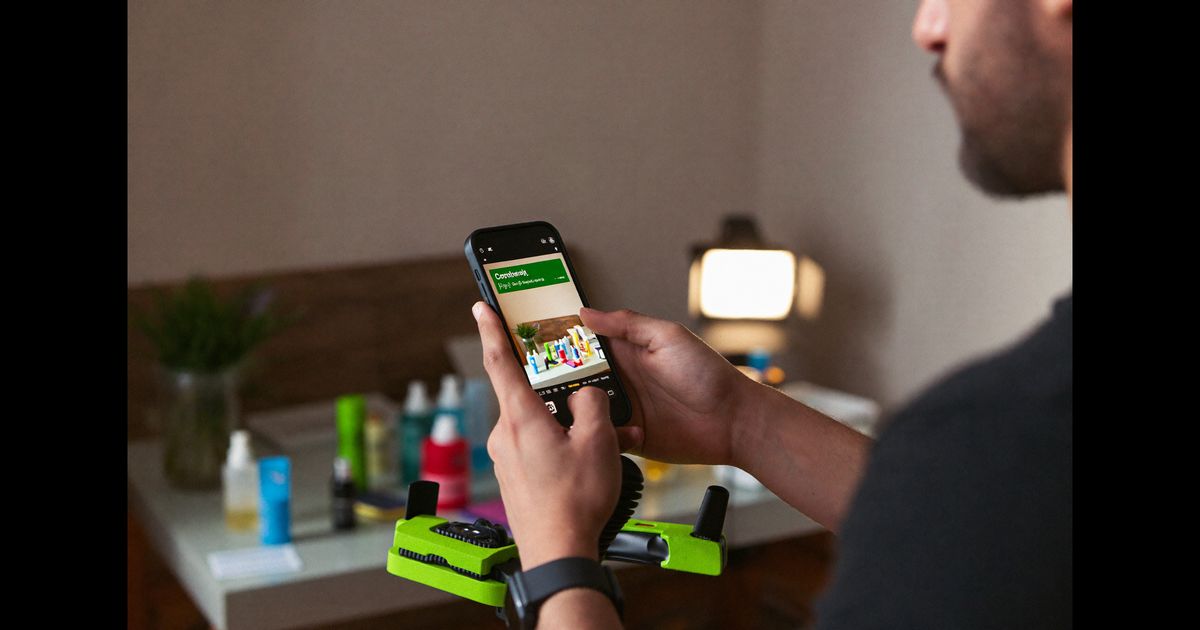
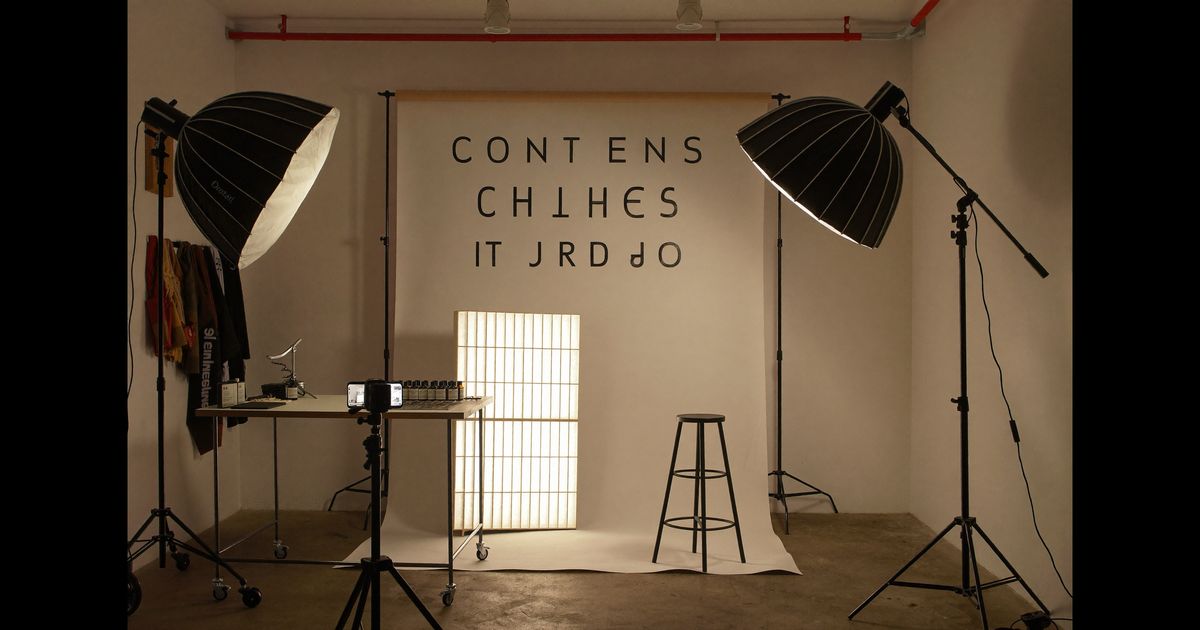
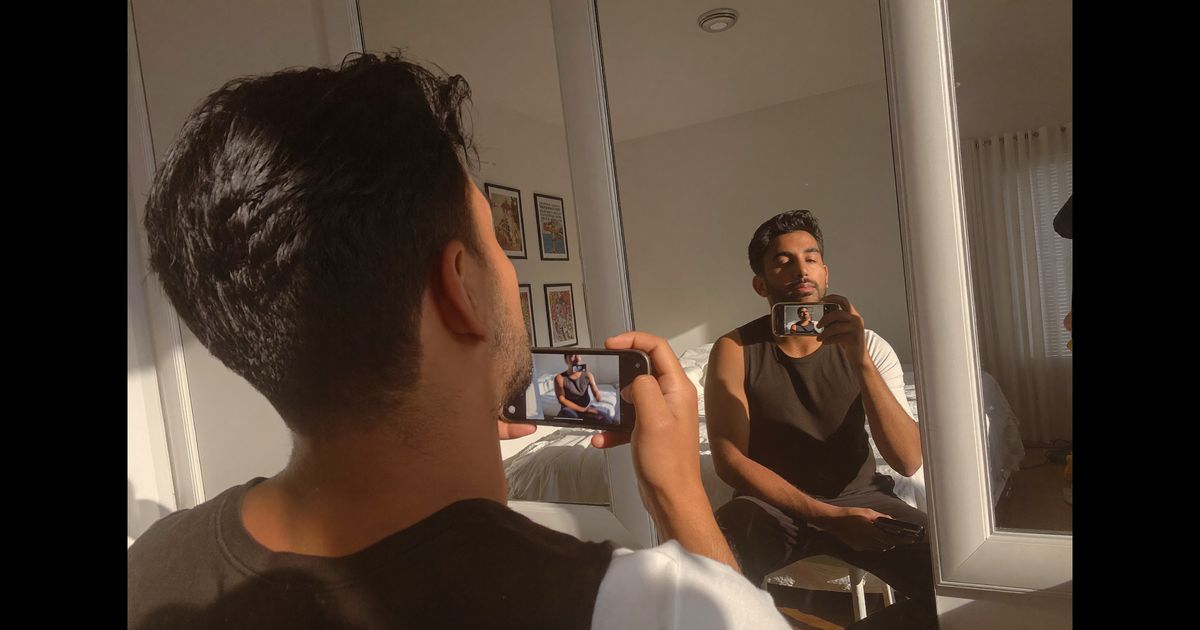
Vague briefs produce unusable footage. Spell out the format and orientation (vertical 9:16), rough length, lighting (face a window, no harsh overhead light), audio (talk close to the phone, quiet room), and the must-show moments, the product in hand, the texture, the before and after, the packaging. Tell them what to avoid too: brand logos worn by competitors, copyrighted music, claims you cannot legally make.
Build a do and don't list
- Do show the product being used in a real setting, not a styled flat lay.
- Do film multiple takes of the hook so you can A/B test openings.
- Don't over-edit. Raw and real beats polished and fake.
- Don't bury the value, the viewer should know what the product does within ten seconds.
A brief structure you can copy
Objective and platform. Target viewer in one sentence. Hook options (2-3). The angle. Three points to cover. One line to say verbatim. Must-show shots. Format and technical notes. Do and don't list. Usage rights and deadline. Keep it to a single page. A brief that runs four pages is a brief no creator will read properly.
Get the brief right and you stop gambling on every shoot. If you want our one-page brief template applied to your product, that is exactly what we do before every production, and it is why our footage goes straight into paid campaigns.