LinkedIn retired its Stories feature in 2021, which means any brand that built a behind-the-scenes strategy around ephemeral clips there needs a reset. The good news: what replaced Stories, native video posts, document carousels, and LinkedIn newsletters, gives D2C and B2B brands far more durable real estate for BTS content, and the audience on LinkedIn India is now large enough to matter commercially. With over 130 million Indian members and a growing cohort of decision-makers who also hold purchasing authority at their companies, BTS content here is less about reach and more about trust-building at scale.
This is an advanced playbook, so we are skipping the basics. You already know UGC performs better than polished brand content. What follows is how to architect a LinkedIn BTS programme that goes beyond a creator posting "day in my life" clips and actually shifts perception, supports pipeline, and survives ASCI scrutiny.
Rethink What "Behind the Scenes" Means on LinkedIn
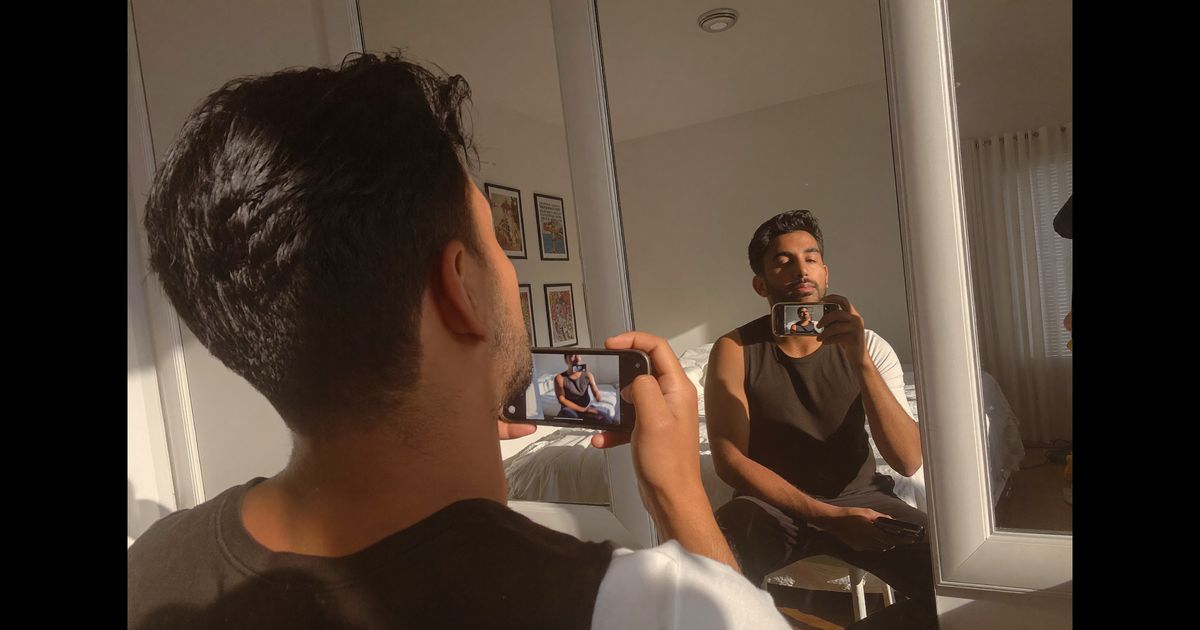
Instagram BTS tends to be aesthetic, golden-hour shoots, messy flat lays, ring-light glamour. LinkedIn BTS earns trust differently. The content that indexes highest on this platform reveals process, decision-making, and professional tension. For a brand running UGC at scale, this translates to three distinct content types:
- Production transparency: A creator walking through the brief they received, what they changed, and why, this signals editorial independence, which LinkedIn audiences respect and ASCI's endorsement guidelines increasingly require.
- Founder or team process: The sourcing team at a Bengaluru-based skincare brand explaining how they select creators, ingredient expertise, skin-tone diversity, regional language comfort, works better than any product explainer.
- Failure-and-iteration logs: A document carousel showing three rejected ad concepts and what the final brief looked like is catnip for marketing directors. It signals rigour without being a pitch.
We brief creators assigned to LinkedIn-specific BTS to treat it like a professional case study in video form, not a casual vlog. The framing shift alone improves comment quality by an order of magnitude.
Format Stack: What Actually Works in 2025
LinkedIn's algorithm in 2025 continues to favour content that keeps people on-platform and generates meaningful comments, not reactions. Here is the format hierarchy we use for BTS campaigns:
- Native video (60–90 seconds): Short enough to auto-play through, long enough to convey real information. Subtitles are non-negotiable, a significant portion of LinkedIn is browsed on mute during commutes on Mumbai local or Delhi metro. Use burned-in Hindi or regional-language subtitles if the creator's audience is Tier-2 heavy; dual-language overlays (English + regional) work particularly well for FMCG campaigns targeting buyers across geographies.
- Document carousels (PDF format): Underused for BTS and wildly effective. A 10-slide carousel showing the shoot day timeline, prop list, and final frame comparisons gets 3–4x the dwell time of a plain image post. Production cost is a few hundred rupees in Canva Pro; the impact is disproportionate.
- Text posts with embedded image: For brands whose creators are articulate writers, a 600-word first-person post about a specific production decision, choosing between a studio setup in Hyderabad versus a real-home setting in Pune, for instance, often outperforms pure video in shares.
- LinkedIn Newsletters: For agencies or brand marketing teams willing to play a longer game, a monthly newsletter titled something like "How we made this ad" is a compounding asset. Each issue breaks down one UGC campaign: brief, creator selection rationale, cut decisions, performance notes. No vanity metrics, just craft.
Creator Briefing for LinkedIn-Specific BTS
LinkedIn BTS fails when creators apply their Instagram or YouTube voice without adjustment. The brief for LinkedIn must account for the platform's professional register without making the content stiff. Practically, this means:
- Open with a professional observation, not a hook designed for entertainment. "We shot three versions of this ad before realising the problem was in the brief, not the execution" works. "You won't believe what happened on this shoot" does not.
- Name real constraints, budget, timeline, brand compliance reviews. Specificity ("we had a Rs.18,000 per creator budget and needed 4 final cuts") builds credibility faster than any amount of lifestyle signalling.
- Include one substantive opinion. LinkedIn rewards point-of-view. A creator who says "brands in the D2C beauty space consistently under-brief on skin-tone representation and it costs them authenticity" will get more engagement than one who sticks to neutral observations.
- Avoid unverified claims about the brand's products. ASCI's 2023 guidelines on influencer disclosures apply to LinkedIn posts as much as Instagram Reels, all material connections must be disclosed with #Ad or #Sponsored in the first line of the post, not buried in see-more. We include this as a hard requirement in every creator contract for LinkedIn placements.
Repurposing Your Existing UGC Shoots into LinkedIn BTS
If you are already running UGC campaigns for Instagram or YouTube, you have BTS raw material sitting unused. The repurposing playbook:
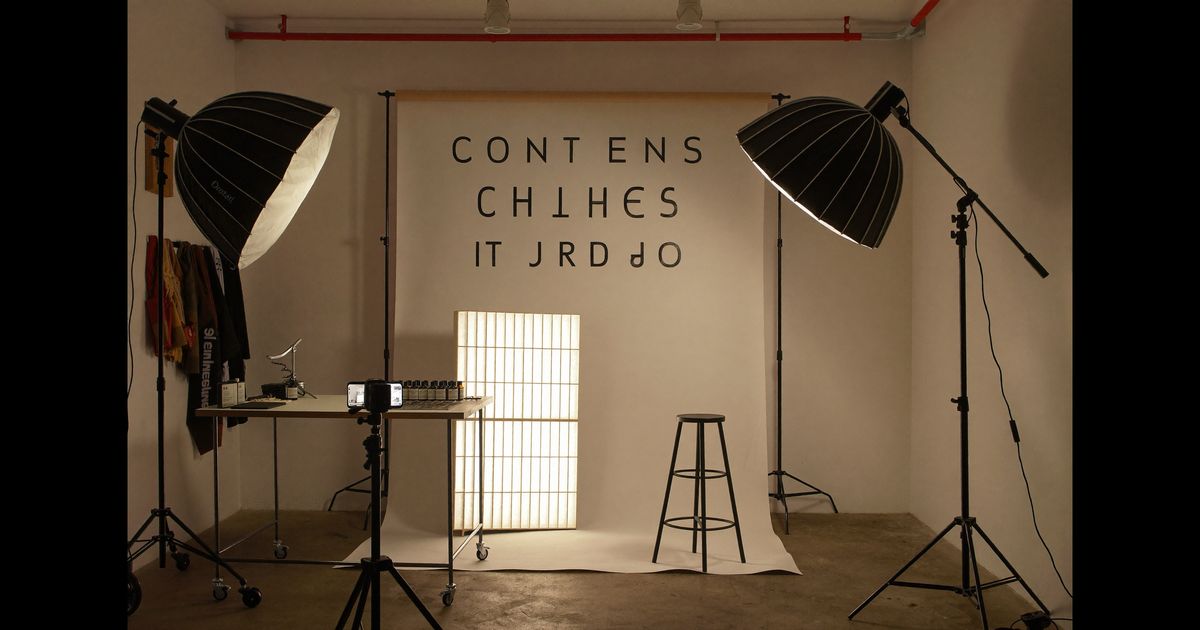
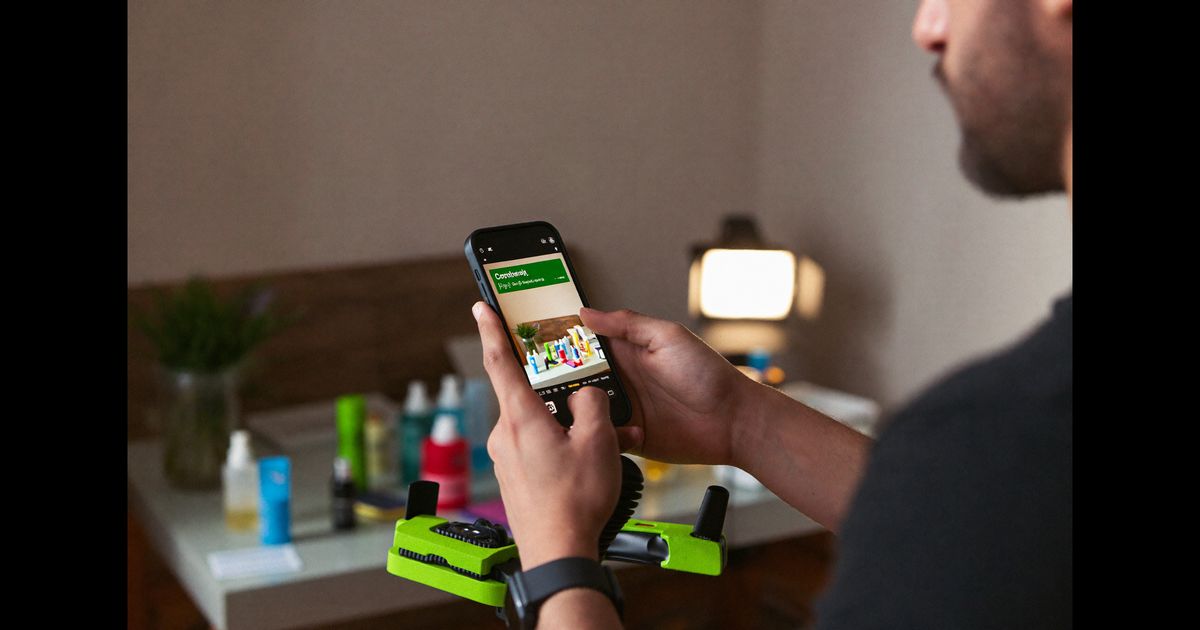
- B-roll from the main shoot: The 30 seconds of setup footage, prop arrangement, lighting rigs, and director-creator conversations that never makes it into the Instagram cut is exactly what LinkedIn audiences want to see. Extract it, add a creator voiceover explaining what they were trying to achieve, and post it as a standalone native video.
- The brief document itself: Anonymised and formatted as a carousel, a well-constructed creative brief is genuinely educational content for the thousands of brand managers and agency folk on LinkedIn India. "Here is the brief we sent for our summer campaign" is a high-trust post.
- Performance retrospectives: Three months after a campaign, a document post comparing the original hypothesis against actual ROAS or engagement data, even if the numbers were not spectacular, is rare, honest, and highly shareable among marketing professionals.
One Kolkata-based ethnic wear brand we worked with turned their annual UGC shoot into a 5-part LinkedIn documentary series. Each post covered a different production stage, casting, briefing, shooting, editing, and media buying. The series generated more inbound inquiries from wholesale buyers than their paid LinkedIn campaigns that quarter.
Measurement: What to Track and What to Ignore
LinkedIn analytics for BTS content should be read differently from performance metrics on Meta or Google. The metrics that matter:
- Impressions from outside your network: LinkedIn shows you what percentage of views came from people outside your first and second connections. For BTS content, this is the key distribution signal, it tells you whether the content is being actively shared into new professional networks.
- Comment quality over comment volume: A post with 12 substantive comments from marketing directors and brand founders is worth more than 80 generic reactions. Read the comments; they are your qualitative signal.
- Profile visits and follower growth in the 72 hours post-publish: BTS that resonates drives profile exploration. Track this as a leading indicator of brand consideration.
- Inbound DMs and connection requests: For B2B-adjacent brands, SaaS, services, packaging suppliers, a spike in connection requests from relevant profiles after a BTS post is a direct pipeline signal.
What you should deprioritise: raw reaction counts, and especially the "like" reaction specifically. LinkedIn's algorithm nudges the like button to the top, which means it collects casual passive engagement. It tells you little about whether the BTS content is actually building brand trust.
Compliance and Disclosure on LinkedIn
Because LinkedIn skews toward professionals who will scrutinise claims more carefully than a casual Instagram scroll, compliance matters even more here. Key checkpoints for any brand-sponsored BTS content:
- Disclosure must appear in the first 150 characters of the post, before the "see more" fold. "#Ad" or "Paid partnership with [Brand]" is sufficient under ASCI guidelines, but it must be visible without clicking.
- Any performance claims (conversion rates, revenue numbers, engagement figures) must be verifiable and should not cherry-pick a single outlier campaign. If a creator posts BTS on a campaign that "drove 300% ROAS," that figure should reflect an average or a clearly disclosed individual case, not be presented as typical results.
- Creator credentials should be real and relevant. LinkedIn audiences will Google a creator making expertise claims. If you are briefing a skincare brand's BTS and the creator claims dermatological knowledge, make sure that is substantiated, ASCI has issued notices for precisely this kind of professional overclaim in influencer content.
Building a BTS programme for LinkedIn takes more strategic architecture than most brands invest in, which is exactly why the ones who do it well stand out. If you want to design a creator-led BTS content system for your brand, one that works within ASCI guidelines, fits your existing production budget, and maps to real business outcomes, explore the options at our consultation page.