Snapchat has roughly 200 million daily active users globally, but in India its real power sits in a specific demographic pocket: Gen Z users between 15 and 24 in Tier 1 and Tier cities across India who use it not for broadcasting, but for private, low-pressure sharing. That behavior gap, the gap between Snapchat's "disappearing, raw" culture and Instagram's polished permanence, is exactly what makes UGC on Snapchat feel different, and exactly what brands consistently get wrong when they brief creators for it.
This guide walks you through the practical mechanics of creating UGC content that works on Snapchat: formats, creator briefing, ASCI compliance, what to charge (and what to negotiate), and how to repurpose Snap-first content across Meta and YouTube Shorts without it looking out of place.
Understand What Snapchat Actually Rewards in India
Before scripting a single second, a UGC creator needs to understand the Snapchat India feed. Unlike Reels, Snap's Spotlight and Story formats reward content that looks genuinely unplanned. High-production-value content routinely underperforms here because the audience is trained to read polish as advertisement. The sweet spot is:
- Vertical 9:16 video, 7–15 seconds, attention windows are shorter on Snap than on Reels; anything over 20 seconds needs a strong hook in the first two
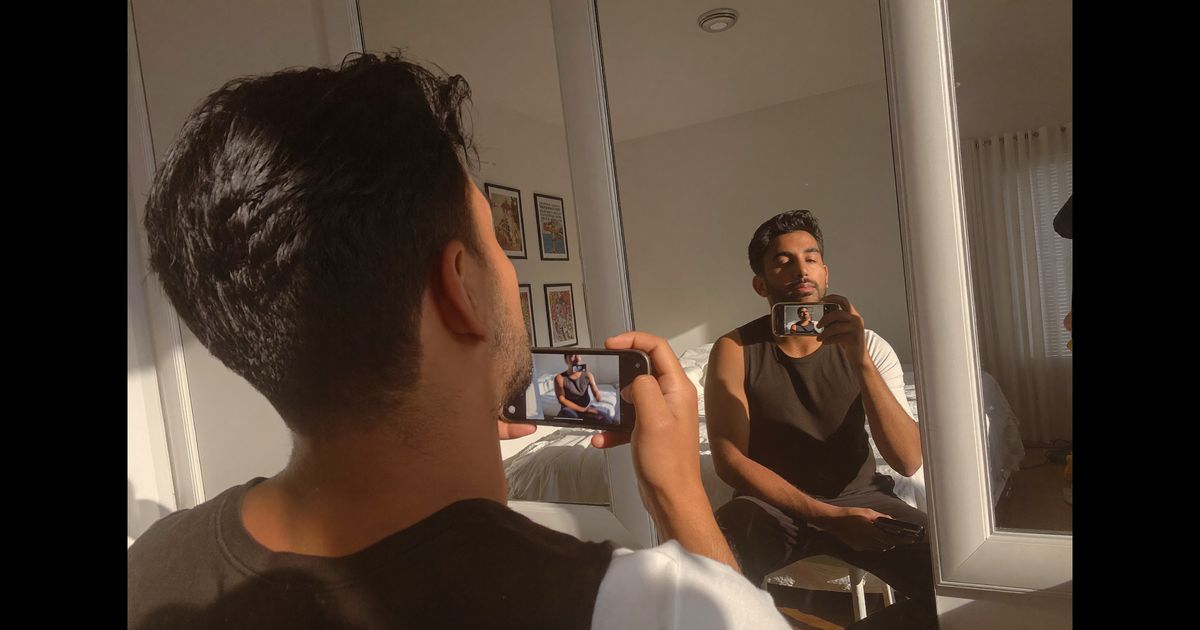
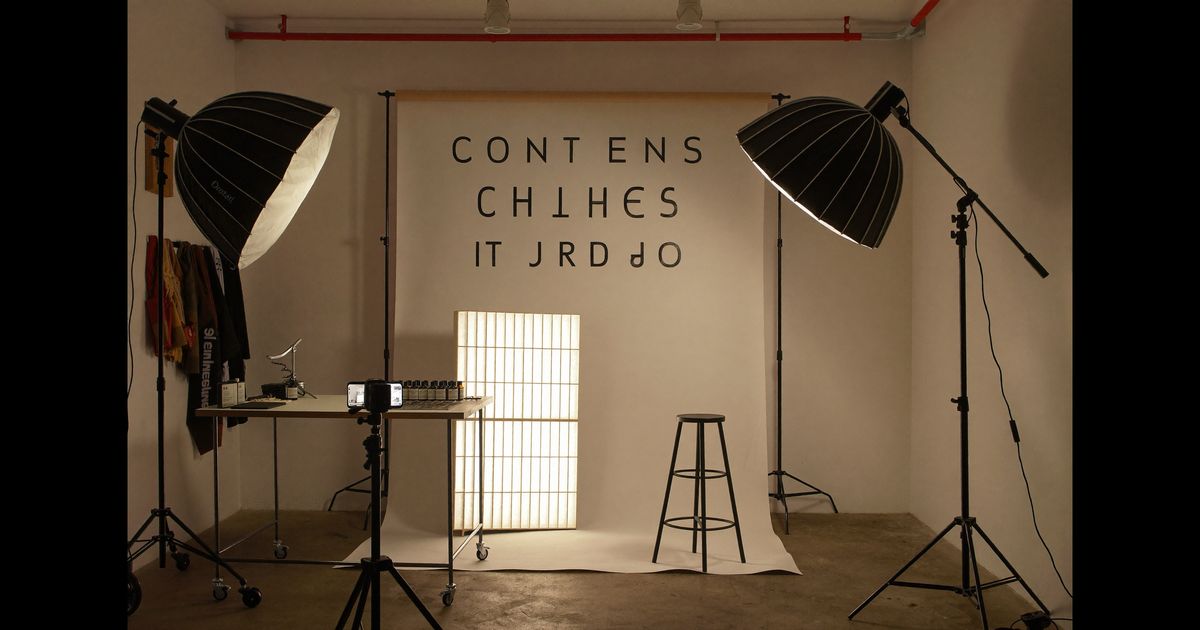
- Front-facing camera with ambient sound, bedroom lighting, chai cup in frame, street noise in the background. Authenticity cues matter far more than a ring light
- Hindi, Hinglish, or regional language, a creator in Lucknow speaking Awadhi-inflected Hindi for a skincare brand will outperform a neutrally accented "English UGC voice" on Snap every single time
- Snap-native AR filters, brands that co-create a branded lens and hand it to creators to use organically (rather than running it as a paid lens campaign) get a dual benefit: lower CPM and content that genuinely looks user-made
We brief Snapchat creators with one instruction that overrides everything else: record it the first time, send it. No retakes. If the lighting shifts mid-clip or there is a noise outside, keep it. That rawness is the product.
Setting Up Your Creator Profile for Brand Deals
Many UGC creators in India have strong Snapchat audiences but have never monetised them because the infrastructure for pitching brands is underdeveloped compared to Instagram. Here is a practical setup checklist:
- Switch to Creator Account, go to Settings → Snapchat for Creators. This unlocks analytics (Views, Reach, Completion Rate) that you will need when pitching
- Build a Spotlight portfolio, post at least 10 Spotlight clips across two or three categories (lifestyle, product reactions, day-in-my-life) before approaching brands. Spotlight data, especially saves and shares, is far more persuasive than subscriber count when pitching D2C brands
- Screenshot your Creator Insights, brands want to see 7-day average views, audience age split (the 18–24 band is the most valuable for most FMCG and beauty clients), and city distribution. Mumbai, Delhi, Bengaluru, Pune, and Hyderabad in the top 5 is a strong pitch for national D2C brands
- Keep a rate card ready, realistic 2026 INR benchmarks for Snapchat UGC in India: a nano creator (10K–50K Snap subscribers) charges Rs. 3,000–8,000 per Spotlight-format deliverable; micro (50K–200K) charges Rs. 10,000–25,000; mid-tier (200K+) starts at Rs. 30,000. These are lower than Instagram equivalents because the Snap monetisation ecosystem is still developing, but the cost-per-real-view is often better
The Practical Brief: What to Ask Your Creator (or What to Give Your Brand)
A Snapchat UGC brief is shorter than an Instagram brief, deliberately. Over-briefing kills the rawness the platform rewards. A good Snap brief has five elements:
- The single message, one thing the viewer should walk away believing (e.g., "this serum cleared my dark spots in three weeks"). Not three messages. One.
- The opening action, the first two seconds must show the product or a strong visual cue, not a talking head saying "okay so." Brief the creator to open mid-action: holding the product up, pointing at skin, pouring a drink.
- The verbal mention, confirm whether you want brand name spoken aloud, and how many times. Once is usually enough and sounds more natural.
- The disclosure requirement, this is non-negotiable. ASCI's updated influencer guidelines (2021, amended 2023) require any creator receiving payment or free product to label the content as #Ad or #Sponsored at the start of the video, visibly, for at least three seconds. On Snap Stories, the text overlay must appear at the beginning of the snap, not buried at the end. Creators who skip this risk ASCI notices; brands that ask them to skip it risk the same. Build this into your brief as a hard requirement, not a courtesy.
- The "do not say" list, list two or three things the creator should avoid (specific claims, competitor mentions, pricing that might change). Snap briefs work better as guardrails than scripts.
Shooting Techniques That Work on Snap
The mechanics of filming for Snapchat differ from Reels in subtle but important ways. Here is what to apply shot by shot:
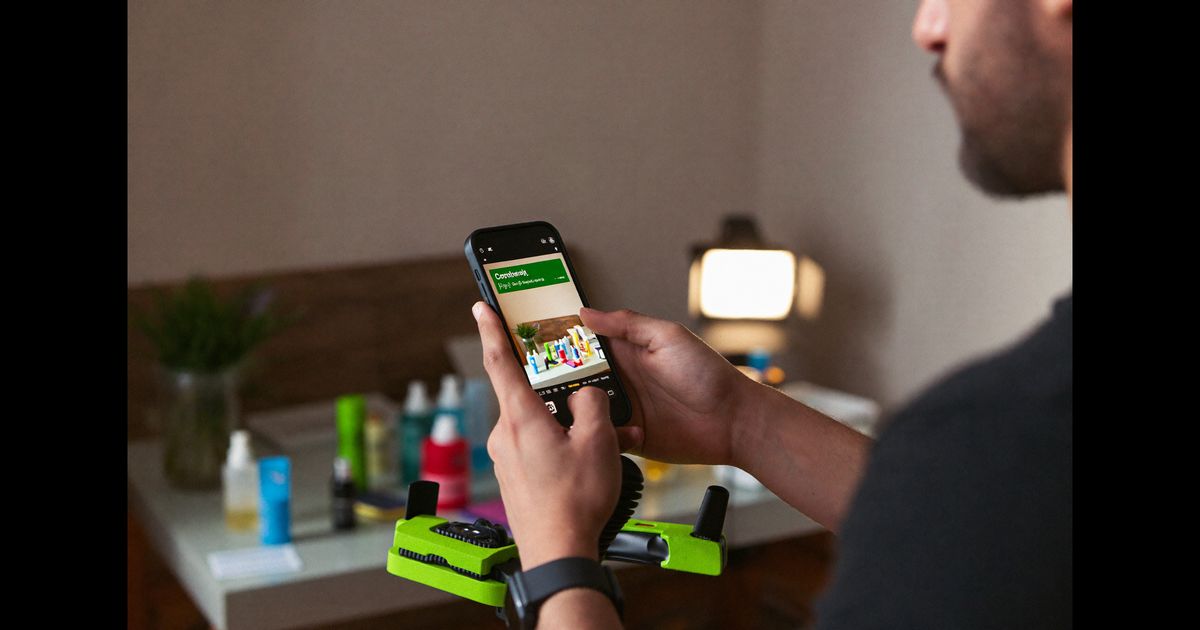
- Use native Snapchat camera, not your phone's camera app, content shot natively in Snap retains metadata that helps it distribute on Spotlight. Content uploaded from gallery performs slightly less well on discovery
- Safe zone awareness, Snapchat's UI overlays the bottom 20% of the frame (username, caption, swipe-up icon). Any product label or on-screen text in the lower fifth of the frame will be obscured. Shoot product close-ups in the upper two-thirds of frame
- Sound on, no music license headache, unlike Instagram Reels, Snap's licensed music library for creators is smaller and regional tracks are patchier. Brief creators to use ambient sound (market noise, kitchen sounds, a fan) or Snap's built-in sounds rather than Bollywood tracks they do not have sync rights for. This avoids muting on repurposed cuts
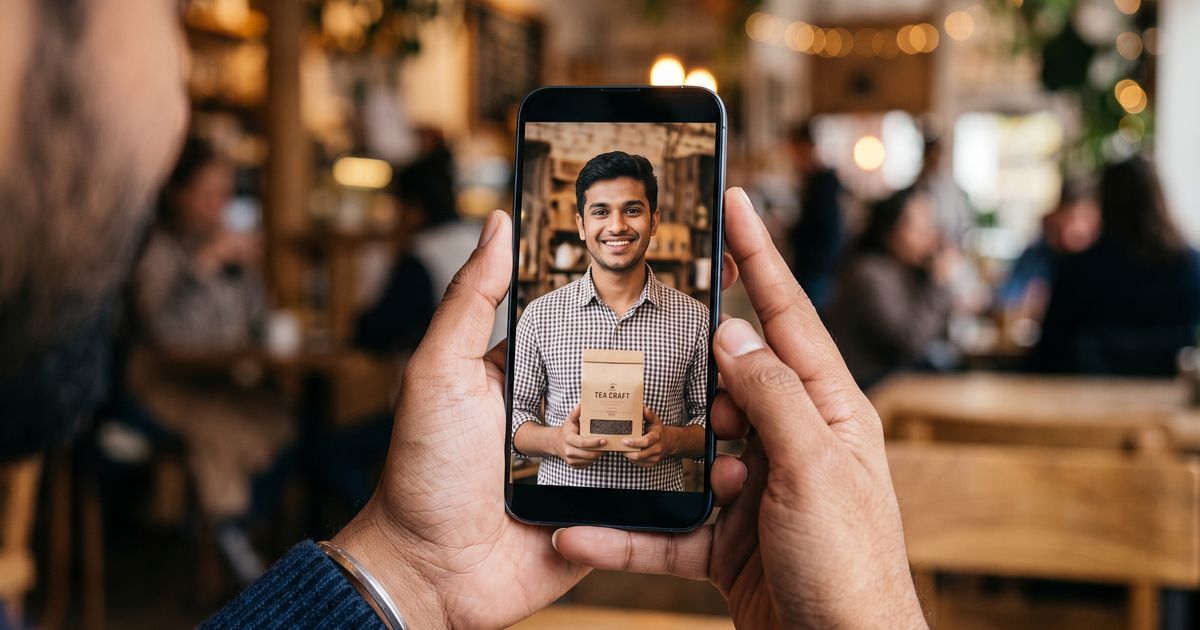
- One-take reactions are gold, unboxing reactions, first-use moments, texture checks, content that captures a genuine first encounter with a product converts better than re-enacted enthusiasm. If a creator has already used the product before the shoot, ask them to shoot a "week three" or "empty bottle" follow-up instead of faking a first reaction
- Text overlays, Snap's built-in text tool is fine for a product name or a single claim. Keep text to under six words and use the bold white style. Avoid decorative fonts that read as "branded ad" rather than creator-made content
Repurposing Snap UGC Without Killing Its Feel
One reason brands increasingly commission Snapchat-first UGC is that raw vertical content repurposes well, but only if you do not over-edit it before moving it to Meta or YouTube Shorts. The practical workflow we have found works:
- Download before uploading, always have the creator send you the original .mp4 file, not a screen-recorded re-capture. Snap's in-app export (Settings → My Snap → Export) gives you the full-resolution file
- Add captions, do not re-score, for Meta repurposing, add auto-generated captions (Meta's own captioning tool works fine) and a brief product name title card at the end. Do not add a new music track or colour-grade the footage, you will undo the rawness that made it work
- ASCI disclosure carries over, if the content was disclosed as #Ad on Snap, it must remain disclosed when repurposed on Instagram or YouTube. You cannot strip the disclosure overlay when moving the asset to another platform
- Trim for Reels, not the reverse, a 15-second Snap clip is already Reels-ready. Do not stretch it to 30 seconds with b-roll padding. Shorter, intact Snap content tends to perform well on Reels because the completion rate is high
Common Mistakes Indian Creators and Brands Make on Snapchat
After reviewing dozens of Snap-briefed deliverables, the same failure patterns recur:
- Treating Snap like a short Reel, adding transitions, jump cuts, Reels-style trending audio, and graphic overlays produces content that looks exactly like a Reel repurposed down to Snap. The audience ignores it
- Briefing for too many claims, FMCG brands in particular try to pack three or four product claims into a 10-second Snap. The result is rushed, unnatural delivery. One honest claim, well-delivered, beats four claims mumbled at speed
- Skipping the disclosure on Stories, Snap Stories are 24-hour ephemeral posts and brands sometimes assume they are exempt from ASCI rules because they disappear. They are not. The ASCI influencer guidelines apply to all paid placements regardless of format or shelf life
- Not checking Spotlight eligibility, Snap's Spotlight algorithm will not surface content that contains watermarks from other platforms (the TikTok-era problem), competitor app logos visible in the background, or certain categories of sensitive product claims. Brief creators to check Spotlight submission guidelines before posting paid content
- Ignoring regional language potential, a beauty brand briefing a Tamil-speaking creator to deliver in English because "the brand voice is English" is leaving substantial reach on the table. Snapchat's Indian audience skews toward vernacular consumption. If your creator's natural language is Marathi, Telugu, or Bengali, let them use it
If you are a creator building your Snapchat UGC portfolio, or a brand trying to figure out whether Snap-first UGC belongs in your production mix, the team at The UGC Agency has worked across both sides of this brief. Take a look at our work or book a consultation to talk through what a Snapchat-ready creator roster looks like for your product category.