A tutorial-style UGC video lives or dies in the first eight seconds. Not the product. Not the creator's face. The problem setup, the moment a viewer thinks "that's exactly my situation." Getting that hook right is the bulk of what we actually spend time on when briefing creators for tutorial-format content, and it's also what separates a video that converts from one that gets swiped past on Instagram Reels.
Tutorial UGC is one of the highest-value content formats for D2C brands in India right now, particularly in skincare, haircare, home essentials, and kitchen products. Unlike a simple testimonial or lifestyle reel, a tutorial earns watch time by being genuinely useful. That utility is what makes it trustworthy, and trust is what makes it sell. Here is how we approach filming these, from brief to delivery.
What "Tutorial-Style" Actually Means in a UGC Context
Traditional tutorials on YouTube go deep, 8 to 15 minutes, high production value, presenter-to-camera with B-roll. Tutorial-style UGC is a compressed, first-person version of that format built for short-form feeds. The creator demonstrates a process in real time, explains what they're doing and why, and the product is the tool that makes the process work.
- Step-by-step demos: "I'm going to show you how I use [product] every morning to get rid of under-eye puffiness", three steps, 45 seconds, overhead or mirror angle.
- Problem-solution walkthroughs: Creator starts from a pain point ("My dal used to turn out watery every single time") and walks through their fix using the product.
- Comparison formats: "Before I found this, I was doing X. Here's the difference." This works especially well for supplements, appliances, and cleaning products.
- Technique spotlights: Focused on one specific technique, blending a serum correctly, folding dosa batter, using a mop without leaving streaks, where the product is central but the skill transfer is the hook.
The key distinction from an ad or a testimonial: the viewer should feel they learned something, not just that they watched something. That shift in viewer experience changes how the algorithm treats the video and how audiences share it.
The Brief Is the Production, Get This Right First
In our production work, the single biggest determinant of tutorial quality is brief specificity. A vague brief ("show how to use the face wash") produces a vague video. Creators need to know exactly which step to demonstrate, what problem they're solving, and what outcome the viewer should be able to achieve after watching.
A solid tutorial brief includes:
- The exact pain point to open with, not "talk about your skincare routine" but "open with the moment you realised your pore-cleansing routine wasn't actually working."
- The sequence of steps, numbered, with timing guidance. For a 45-second Reels format, we typically cap at three to four visible steps.
- Mandatory demonstration moments, which specific product interaction must appear on screen: application texture, the lather, the click of the dispenser, the before-and-after rinse. These are non-negotiable visual cues that the brand needs for trust-building.
- What the creator should not say, ASCI's Guidelines for Influencer Advertising in Digital Media (updated 2023) require that health and wellness claims be factual and not mislead consumers. We flag specific claims the brand cannot support with evidence so creators stay compliant by default, rather than having to edit after the fact.
- Language preference, tutorial UGC often performs better in Hindi or regional languages for mid- and mass-market D2C brands. For a Bengaluru-based skincare brand targeting pan-India audiences, we might split deliverables: one in Hindi for North India reach, one in English for metros, sometimes one in Kannada or Tamil for regional targeting on Meta.
Camera Setup and Environment for Tutorial Content
Tutorial UGC does not need a studio. What it needs is controlled legibility, the viewer must be able to see what the creator is doing, in context, without confusion. We brief creators on three reliable setups depending on the product category:
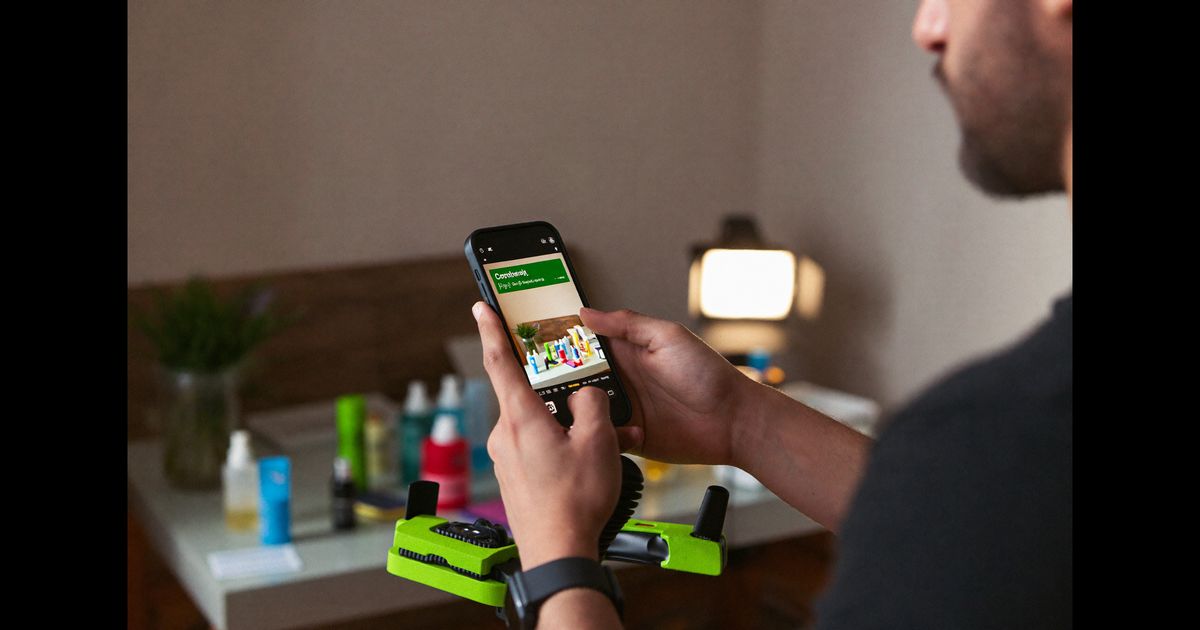
- Overhead flat-lay setup: Best for food, skincare application, cleaning products. Creator uses a ring light or a window to the left, phone mounted on a flexible tripod arm directly overhead, surface cleared and product centered. This is a Rs.1,200–2,000 setup and produces clean, watchable footage.
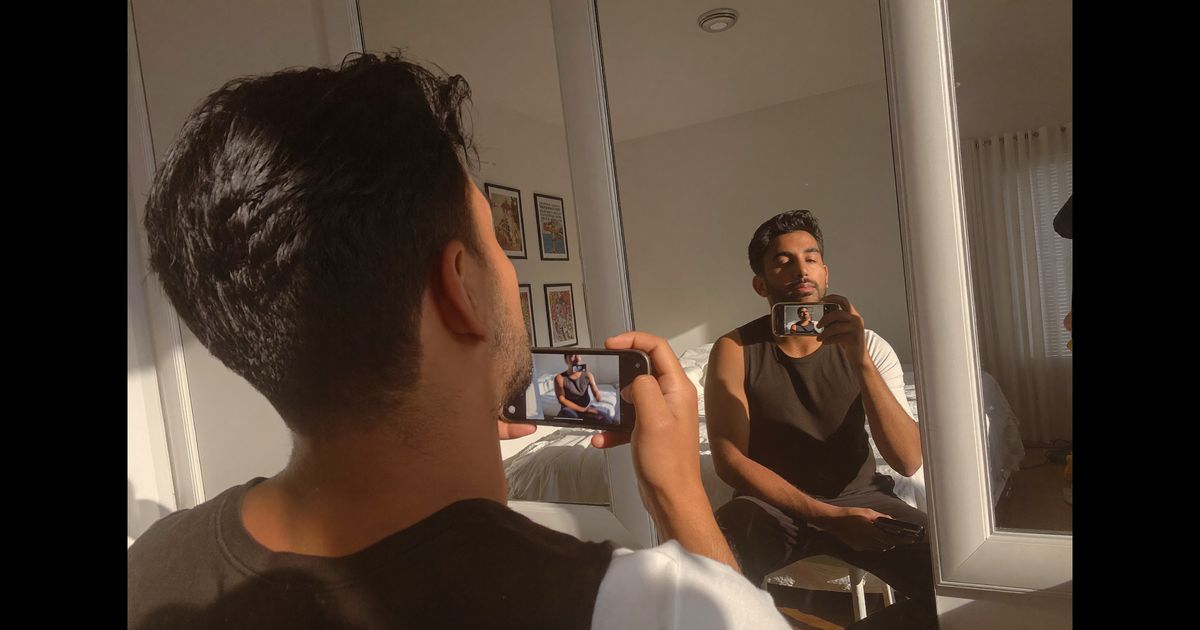
- Mirror/bathroom setup: For haircare, face wash, makeup, the creator films themselves in a well-lit mirror, which doubles as a natural shot-reverse-shot. Bathroom tile backgrounds are widely trusted by Indian consumers because they feel genuinely domestic, not staged.
- Kitchen counter setup: For cookware, food supplements, appliances. Natural light from a window, counter cleared of clutter, phone propped against a spice box or small stand. The lived-in quality of a real Indian kitchen is a trust signal, it shouldn't look like a photoshoot.
Lighting is the one area where we push creators hard. A Rs.500 clip-on ring light resolves 80% of indoor lighting problems. We also ask creators to film between 9am and 12pm when Mumbai, Pune, or Delhi apartments get decent window light, because natural light still reads warmer and more authentic than most artificial setups at this budget level.
Structuring the Video: The 3-Beat Format
Short-form tutorial UGC works best with a three-beat internal structure, regardless of whether it's 30 seconds or 90 seconds:
- Beat 1, The Problem Grab (0–8 seconds): State or visually show the problem. "Every time I tried to remove waterproof kajal, I ended up with half my eye coming off with it." No intro, no product name, no brand mention yet. This beat earns the watch.
- Beat 2, The Walkthrough (8 seconds to near-end): Step-by-step demonstration. Creator narrates as they go, in first-person, present tense ("I'm putting just two drops on the cotton pad, see how it doesn't drag?"). Product is visible and central but the narration is about the technique, not the product specs.
- Beat 3, The Payoff (last 5–8 seconds): Show the result. Clean eye, fluffy hair, non-sticky skin, cooked dal with the right consistency. Then one natural line: "I've been using [Brand] for three months and this is genuinely the only thing that works for me." No scripted call-to-action read, we leave that to the caption and ad overlay.
The creator's job in Beat 3 is to close with conviction, not with a sales line. Viewers trust a satisfied person more than they trust a pitch. The brand's job is to put the link in the right place.
Handling Retakes, Reshoots, and Creator Direction Remotely
Most of our tutorial UGC is filmed remotely, creators are in Jaipur, Hyderabad, Kochi, or Chandigarh; the brand team might be in Mumbai. Managing quality without being on set means building a review process that catches issues before editing, not after.
We ask creators to send a raw test clip within 24 hours of receiving the brief, just 15 seconds showing lighting, framing, and background. This one step eliminates 60% of reshoots. If the test clip reveals a problem (harsh ceiling light, cluttered background, too much ambient noise from a fan or TV), we troubleshoot it via WhatsApp with a voice note and a reference screenshot rather than a written back-and-forth. Most creators resolve it in one round.
For retakes on the full video, we limit feedback to three specific, numbered points, not a general "can you make it feel more natural." Specific direction works: "At 0:22, slow down before applying the serum so the texture is visible for two full seconds" is actionable. "Be more natural" is not.
Platform-Specific Cuts: Instagram Reels, YouTube Shorts, and Meta Ads
A tutorial video filmed once should produce at least three usable assets:
- Instagram Reels cut (30–60 sec, 9:16): Fast-paced, Beat 1 should hit within the first three seconds, captions on-screen for the 70% of viewers watching without sound. We use CapCut auto-captions with a quick Hindi/English accuracy check before delivery.
- YouTube Shorts cut (45–90 sec, 9:16): Slightly slower pacing is acceptable here; viewers on Shorts are more tolerant of a 5-second problem setup. The payoff beat can include a slightly longer product hold.
- Meta Ads cut (15–30 sec, 9:16 or 1:1): Strip to the single strongest Beat 1 moment and the payoff. No walkthrough if it can be implied. This is the cut that runs as a paid ad; it needs to pass the Facebook Ads policy review, which means no before/after health claims framed as guaranteed results, a point we build into the brief from the start, keeping ASCI and Meta policy alignment in mind simultaneously.
For brands targeting regional markets, say a Tamil Nadu-based hair oil brand or a Gujarati snack D2C, we also produce a 1:1 feed post version with subtitles in the regional language, because reach on Meta is significantly cheaper in regional-language targeting segments, and a tutorial that a viewer can actually follow in their first language converts measurably better.
Common Mistakes That Kill Tutorial UGC Performance
- Over-scripting: A creator reading from a script sounds like a creator reading from a script. We provide bullet points and mandatory moments, not word-for-word lines. The natural hesitations and self-corrections in unscripted speech are trust signals, not problems to fix.
- Skipping the demonstration: Some creators narrate the tutorial without actually showing their hands doing the thing. This is especially common with skincare creators who are comfortable on camera but not comfortable with close-up product shots. The brief must explicitly flag which moments need visible demonstration.
- Burying the problem: If the problem setup arrives at 0:12, most of your audience has already swiped. Beat 1 must be the first thing visible or audible, even if it means starting mid-sentence or mid-action.
- Ignoring sound: A ceiling fan running in the background, traffic noise, or a TV two rooms over will tank a tutorial video because viewers are listening to instructions. We ask creators to do one audio-only test before filming the full take.
Tutorial-style UGC done well is one of the few content formats that earns genuine saves and shares on Instagram, viewers bookmark it to use later, which is the strongest possible signal to the algorithm. If your brand is in a category where "how to use this correctly" is a real question your customers have, this format should be in your content mix. Take a look at our recent work to see how we've produced tutorial UGC across skincare, kitchen, and wellness categories, or book a free consultation to talk through what a tutorial-first UGC strategy could look like for your brand.