Most testimonial-style UGC for FMCG brands fails before the creator even opens their mouth. The lighting is wrong, the background screams "paid ad," the creator reads from a script so obviously that viewers scroll past in the first two seconds. For fast-moving consumer goods, shampoos, protein powders, cooking oils, skincare, packaged foods, this is especially costly because the category is crowded, margins are thin, and the audience's trust radar is finely tuned.
The goal of a testimonial-style video is to look like something a real person filmed for themselves, not something a brand commissioned. That gap between "authentic" and "produced" is where most FMCG brands go wrong. Here is where those mistakes cluster, and how to avoid them.
Mistake 1: Briefing the Creator Like a Copywriter, Not a Camera Person
The most common brief we see brands send looks like this: a 200-word paragraph describing the product, a list of claims to mention, and a note saying "sound natural." That combination is impossible to execute well. When a creator has to recall six specific claims while sounding spontaneous, they freeze, and the result is robotic.
For FMCG testimonials, the brief should focus on moments, not messages. Instead of "mention that the shampoo reduces hair fall by 50%," brief the creator on a moment: "Show us the first time you ran your fingers through your hair after washing and noticed the difference." The claim gets communicated through the story, not the script.
- Give creators 2–3 talking points maximum, not a full script
- Specify the opening moment (holding the product, mid-use, or post-result), each gives a different emotional register
- Leave the exact wording open; brief the feeling, not the sentence
- For regional-language content (Tamil, Bengali, Marathi, Kannada), avoid translating an English script word-for-word, brief in the target language or let the creator self-brief in their native tongue
In our production work, we have found that a voice-note brief, a short audio message explaining what the video should feel like, outperforms a written bullet list for creators who are not professional actors. It sets tone in a way text cannot.
Mistake 2: Getting the Background Wrong for the Category
A kitchen background for a cooking oil brand is obvious, but most FMCG brands stop their thinking there and then let the creator set up anywhere in their kitchen, cluttered counter, bad overhead light, a mixer grinder prominently in the background. The setting says "real person," but the execution says "no one thought about this."
The background in a testimonial video is not neutral. It is a signal about the user's life and, by extension, who the product is for. For a mid-price personal care brand targeting women in Tier-cities across India like Coimbatore or Nagpur, a clean but lived-in bathroom, decent lighting, a simple shelf, no luxury props, reads far more credibly than a white studio bathroom that looks like a 5-star hotel. For a protein supplement targeting gym-goers in metros, a gym bag and a water bottle in frame does more for credibility than any voiceover claim.
- Brief on a specific background zone (bathroom shelf, kitchen counter, bedroom vanity) not just "your home"
- Remove visual noise: one uncluttered surface, ideally with soft natural window light or a ring light positioned to the side, not directly behind the camera
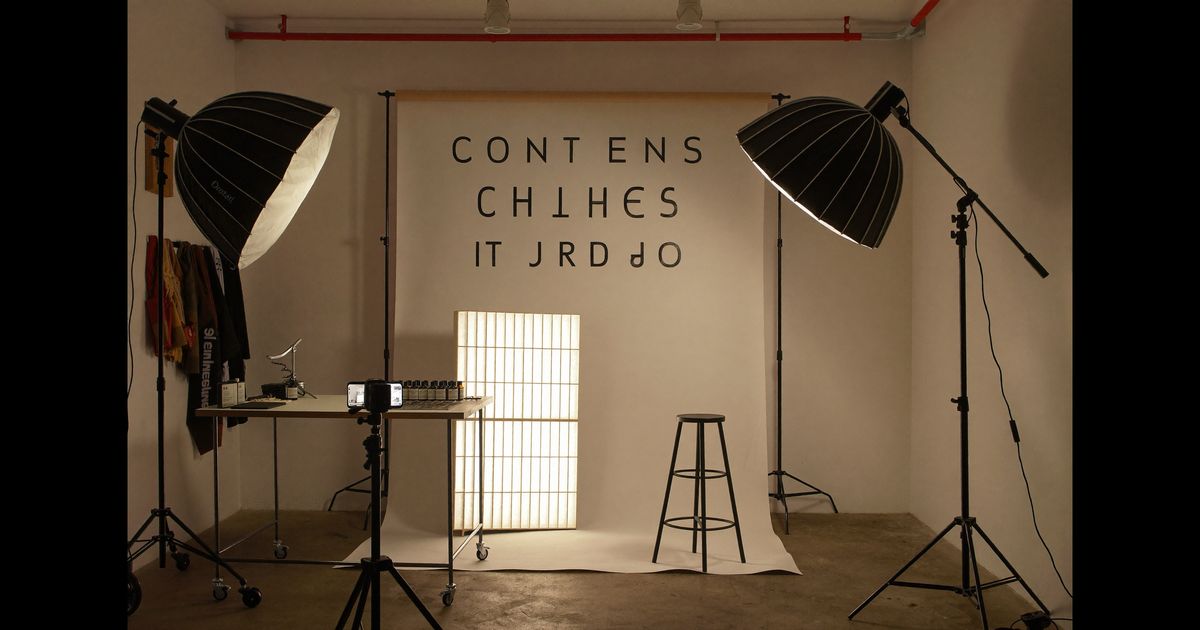
- Avoid completely white or studio backgrounds, they break the testimonial illusion immediately
- For food and beverage FMCG, a dining table or a simple kitchen slab with the product and a single glass or plate is enough, props beyond that distract
Mistake 3: Ignoring ASCI Rules on Testimonial Claims
This one has real consequences. The Advertising Standards Council of India (ASCI) has explicit guidelines on testimonial and endorsement advertising. For FMCG brands, the key rules are:
- A testimonial must reflect the genuine experience of the person giving it, a creator cannot claim results they have not actually experienced
- Claims that are measurable (e.g., "reduces dark spots in 7 days") require substantiation, and that substantiation must be available if challenged
- If the person is a paid creator (which they are in UGC), a disclosure is required, on Instagram and YouTube Shorts, this means the "#ad" or "#collab" tag or the platform's paid partnership label
- For food products making health or nutritional claims, FSSAI labelling rules interact with ASCI guidelines, you cannot, for instance, have a creator say a biscuit is "healthy" unless the brand has a specific permitted claim on the pack
The practical implication: send creators only the products they will actually use for at least one full week before filming. Build that usage period into your timeline. A testimonial filmed on Day 1 of product use is not a testimonial, it is a reading of the brief, and the ASCI risk is real if a complaint is filed.
"We always ask creators to film a 30-second 'raw reaction' on day three or four of use, before the formal shoot brief. That footage often becomes the most usable asset, and it is genuinely compliant."
Mistake 4: One Video, One Language, Pan-India Distribution
India is not one testimonial market. A video in Hindi with a North Indian creator and a Delhi-apartment background, used as-is on campaigns targeting Tamil Nadu or West Bengal, will underperform, not because the product is wrong, but because the social cue of "someone like me" is missing.
FMCG brands with national distribution need a language-and-creator matrix. The minimum viable version:
- Hindi (North + Central India): one urban (Delhi/Lucknow) and one semi-urban creator
- Tamil (Tamil Nadu + parts of Sri Lanka diaspora on Meta): at least one Chennai-based or native-Tamil creator
- Bengali (West Bengal + Bangladesh diaspora audience): Kolkata-based creator with recognisable local visual cues
- Kannada or Telugu depending on the category, skincare, for instance, has a strong purchase base in Bengaluru and Hyderabad
This does not require six separate shoot days. A single well-briefed remote UGC workflow, creator films on their own device, brand reviews raw footage, minimal re-shoots, can produce four language variants for Rs.12,000–18,000 per language at current market rates, depending on creator tier. At that cost, the geo-targeted CPM efficiency gain on Meta or Google more than justifies it.
Mistake 5: Filming Only the "Happy Ending"
Testimonial-style UGC that jumps straight to "I love this product" reads as fake to modern audiences because it skips the before-state. The before-state is where emotional connection happens, and it is where trust is built or lost.
For an anti-dandruff shampoo, the before-state is the embarrassment of visible flakes on a dark dupatta. For a protein powder, it is the frustration of hitting a plateau despite consistent training. For a cooking oil with a health claim, it is the anxiety of managing a family member's cholesterol. These moments are uncomfortable to film, but they are the reason someone reaches for a product in the first place.
- Structure the brief in three beats: before-state (problem, frustration), discovery (why they tried this product), and result (what changed)
- The before-state does not need to be long, 5–8 seconds of honest expression is enough
- Avoid manufactured "problems", if the creator has not actually experienced the problem, skip it; it reads worse than going straight to the result
- For YouTube Shorts and Instagram Reels, the before-state should be the first frame or hook, not a product reveal
Mistake 6: Treating the Vertical Format as a Crop, Not a Composition
A creator filming in landscape and cropping to 9:16 for Reels is a workflow problem that shows up on screen. Vertical video for testimonials has its own grammar: the product needs to be visible in frame without the creator having to hold it awkwardly, the creator's face needs to read at thumbnail size, and the first two seconds need to hold the composition without any camera movement that feels like a selfie-stick accident.
- Brief creators to film natively in 9:16, holding the phone at chest or eye height, not below the chin pointing upward
- For FMCG products with packaging (bottles, sachets, jars), instruct the creator to hold the product at shoulder height, label facing camera, not dangled at arm's length
- For cooking or food products, an overhead 9:16 shot of the product in use (pouring oil into a kadhai, scooping protein powder) is more watchable than a talking-head format alone, cut between the two
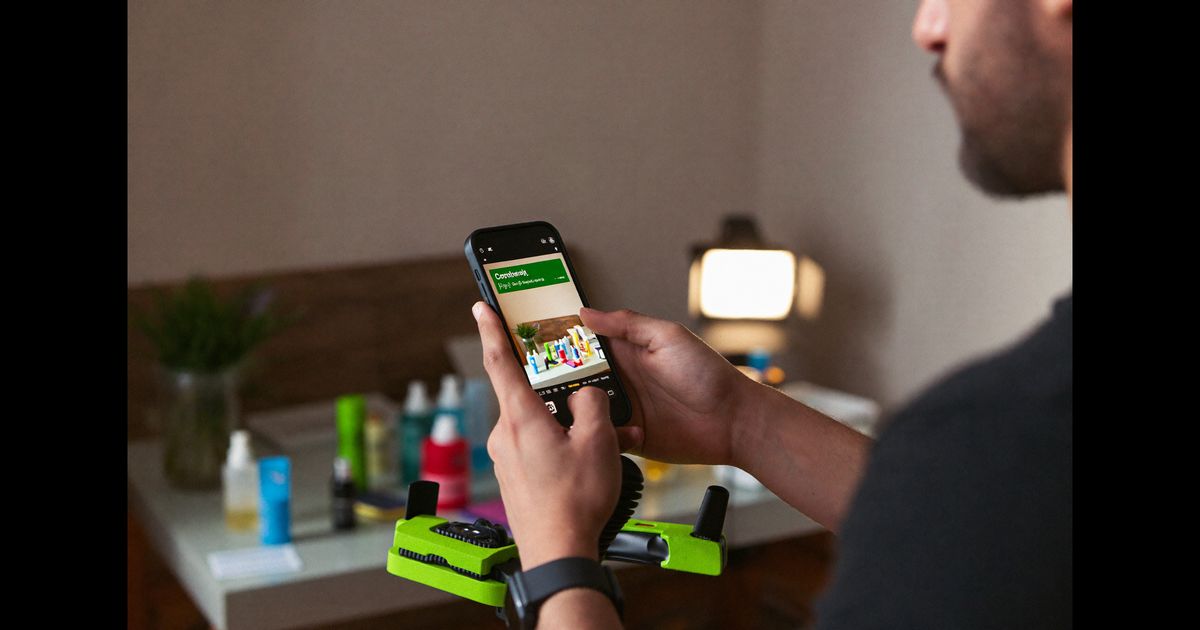
- Encourage creators to use the rear camera with a tripod or phone stand for quality, not the front camera, the difference in sharpness on a mid-range Android (Redmi Note, Samsung M-series) is significant and visible on a 6-inch phone screen
If your FMCG brand is ready to build a testimonial UGC library that actually converts, with creators briefed properly, claims that hold up to ASCI scrutiny, and language variants that speak to real regional audiences, take a look at our client work to see how we structure these productions, or book a free consultation to map out the right creator and format mix for your category.