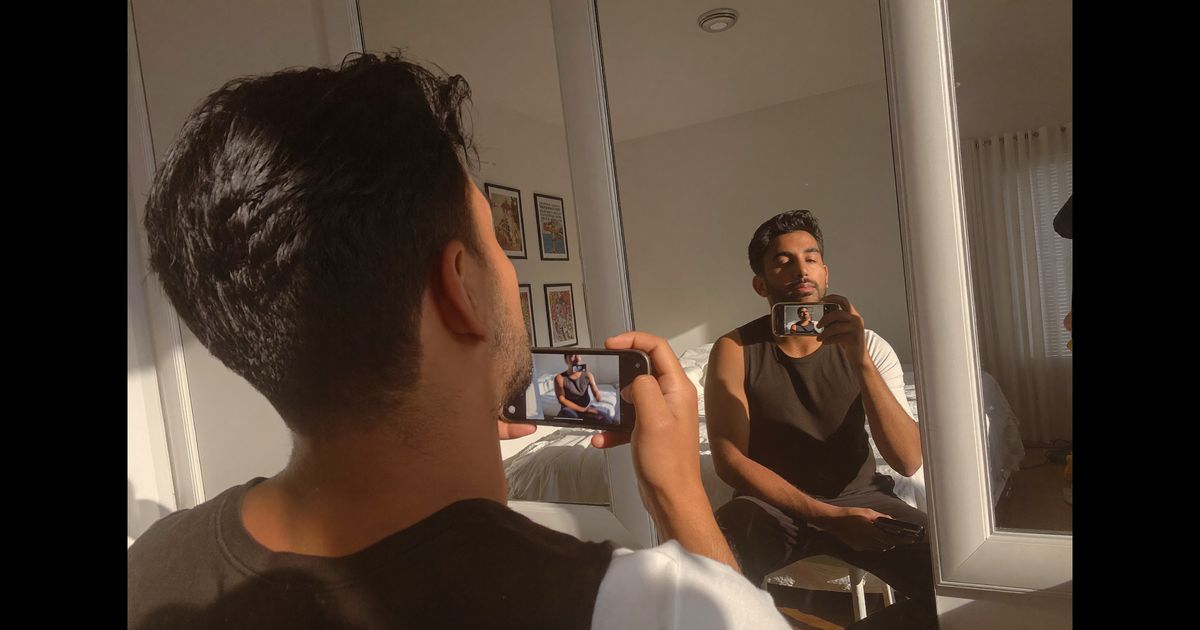
Pick up any FMCG product from your kitchen shelf, a bottle of coconut oil, a pack of protein biscuits, a tube of face wash. That object, filmed correctly, can look like a friend showing you a discovery rather than a brand screaming for attention. Behind-the-scenes-style UGC achieves exactly this: it removes the studio polish and replaces it with the kind of candid, process-driven footage that stops thumbs mid-scroll on Instagram Reels and YouTube Shorts.
The challenge is that "candid" must be carefully constructed. FMCG brands, especially in food, personal care, and home care, operate under ASCI guidelines that prohibit misleading demonstrations and require clear disclosure of paid partnerships. Filming BTS-style content is not a workaround for those rules; it is a different visual language that, when done with craft, builds trust faster than any polished TVC ever could. Here is how to do it well, from brief to final cut.
Understand What "Behind-the-Scenes" Actually Means for FMCG
BTS-style UGC for FMCG is not a tour of a factory. It is footage that reveals how the product enters and lives in a real person's life. For a ghee brand it might be a creator pulling the jar out of their grocery bag alongside other weekly purchases. For a shampoo brand it might be thirty seconds of the creator's actual shower shelf, the product visibly worn-in and half-used. The visual cues of everyday use, a slightly dented box, a product sitting beside unrelated items, a hand that is not manicured, are what signal authenticity.
- Reveal process, not perfection. Show the jar being opened for the first time, the powder being measured, the cream being applied with no colour-grading to smooth out skin texture.
- Keep props realistic. A creator in Mumbai filming a cooking oil brand should have their actual kadhai in frame, not a spotless prop pan. The chipped handle reads as real.
- Avoid over-scripted B-roll. If every shot lasts exactly three seconds and is framed like a product catalogue, the BTS illusion collapses. Vary shot duration and allow slight camera shake.
Equipment and Setup: What to Use (and What to Leave Out)
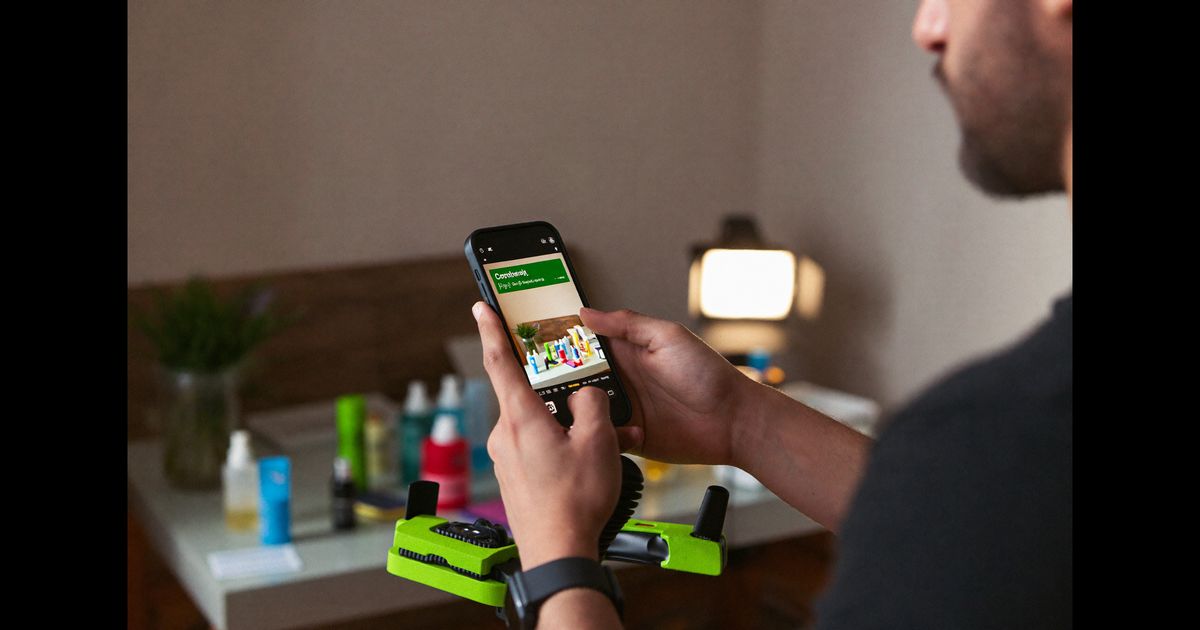
Most effective FMCG BTS UGC is filmed on a smartphone, a mid-range Android or iPhone works, but the setup decisions matter enormously.
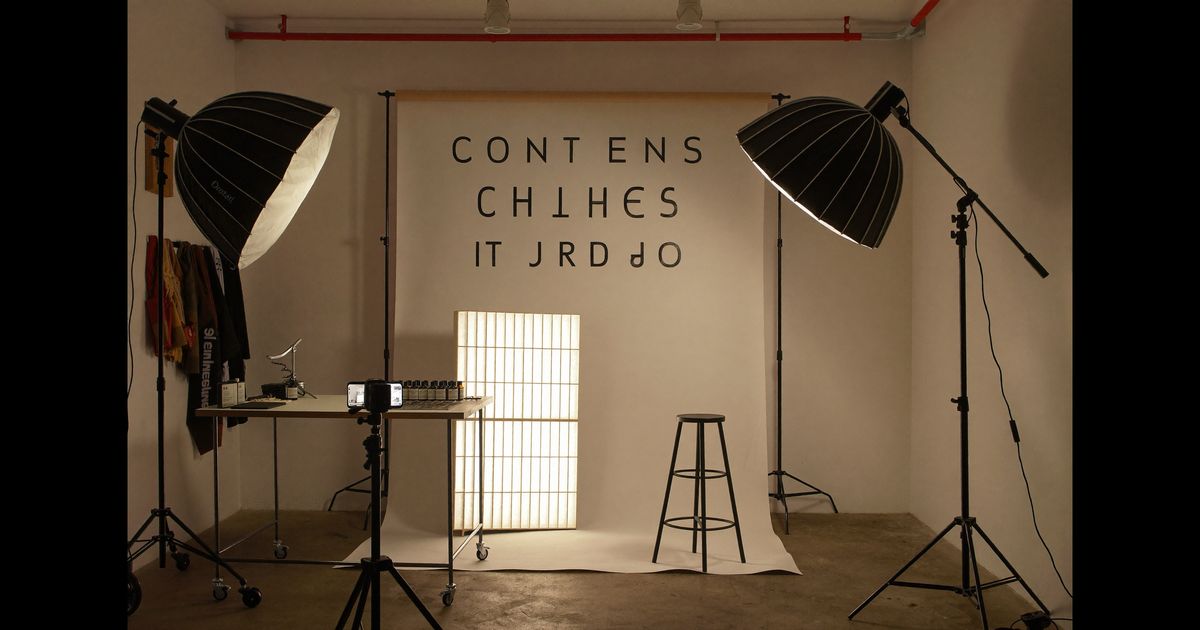
- Lighting: Natural window light is your first choice. A north-facing window in a Bengaluru apartment in the morning gives soft, even light with no colour cast. If shooting indoors at night, a single LED panel (available on Amazon India for Rs. 1,200–2,500) diffused through a white bedsheet is sufficient. Avoid ring lights for BTS content, the perfectly circular catchlight in the eye is a dead giveaway that the "candid moment" is staged.
- Stabilisation: A basic gorilla tripod (Rs. 400–700) for locked-off shots, and handheld with bent elbows for movement shots. Do not use a gimbal, it makes movement too smooth and removes the organic quality you are trying to preserve.
- Audio: For talking-head segments, a clip-on lapel mic (Boya BY-M1 at Rs. 1,100 is industry-standard among Indian UGC creators) eliminates room echo. For purely visual BTS clips, ambient sound recorded on-device, the sounds of a kitchen, a marketplace, a bathroom, adds presence that post-production music cannot fully replace.
- Aspect ratio: Shoot everything in 9:16 vertical for Reels and Shorts. For Meta feed placements, you will need to leave headroom above and below the product, frame accordingly while shooting rather than cropping later.
Structuring the BTS Shot List
We brief creators to think in three acts, each no longer than 8–12 seconds in the final cut:
- Act 1, The Arrival or Discovery: The product appears in a natural context. A haul from D-Mart, a delivery box being opened, pulling the product off a shelf at a kirana store in Chennai. This grounding shot establishes that the creator is a real consumer, not a brand spokesperson.
- Act 2, The Use Moment: The product being used as it actually would be, not a slow-motion pour with studio lighting, but a real-time action shot. A hand squeezing a shampoo bottle in a slightly foggy mirror. A measuring spoon scooping protein powder at 6 AM. The mess and the mundane are features, not bugs.
- Act 3, The Reaction or Result: This is where ASCI guidelines become critical. The result shown must be realistic and achievable; any claim about efficacy (skin cleared in seven days, hair grew faster) must be individually experienced and verifiable, not scripted. In our production work, we advise creators to speak to their experience in first-person rather than making generalised claims: "I noticed my scalp felt less itchy after two weeks" is honest; "This shampoo eliminates dandruff" may trigger an ASCI complaint.
A thirty-second BTS Reel with shaky handheld shots, real ambient kitchen sound, and a creator's genuine "let me show you what I've been putting in my dal" hook will outperform a polished sixty-second product demo almost every time, because it matches the visual grammar of the platform it lives on.
Language, Tone, and Regional Fit
India's FMCG market is deeply regional. A hair oil brand selling across Tamil Nadu and West Bengal will need BTS content that speaks differently to each audience, not just in language, but in cultural references, kitchen settings, and daily routines.
- Code-switching works. Hinglish (Hindi-English mix) performs well across northern and western metros. For Tamil Nadu, Telugu-speaking Andhra/Telangana, or Bengali-speaking markets, a creator filming in their native language with English product labels naturally visible delivers authenticity that translated scripts cannot.
- Show regional usage contexts. A coconut oil brand's BTS should look different in Kerala (hair oiling ritual before a bath) versus Maharashtra (cooking use in a tawa flatbread scene). The product is the same; the story is local.
- On-screen text captions: Most Indian Reels viewers watch without sound during commutes. Burn in captions using CapCut or InShot, both free and widely used by Indian creators, and keep them in the same language as the spoken dialogue.
Common Mistakes That Kill the BTS Effect
- Over-branded environments: If the product logo appears more than three or four times in thirty seconds, viewers clock it as advertising. BTS content should feel like the product happens to be there, not that the brand bought every frame.
- Skipping the #Ad or #Sponsored disclosure: ASCI's influencer guidelines (updated and enforced from 2021 onwards) require upfront disclosure. "Collab," hidden hashtags, or end-of-caption disclosures are not compliant. In BTS content, the disclosure can be spoken naturally ("I've been trying this out after the brand sent it over") or shown as a text overlay in the first three seconds, either satisfies the requirement without breaking the visual mood.
- Filming only the product, never the person: BTS UGC lives and dies on relatability. A person's face, reactions, and voice are what generate the parasocial trust that makes someone add the product to their Blinkit cart. Faceless "aesthetic" clips are a different content format, valid, but not BTS.
- Ignoring the first two seconds: Instagram Reels and YouTube Shorts measure drop-off in the first two seconds. The hook, whether it is the creator saying something surprising, an unusual sound, or an unexpected product context, must land before the first cut. We coach creators to start with motion already happening: not "Hi, so today I'm going to show you..." but a mid-action shot with the voiceover already in progress.
Editing BTS-Style Content: Keep It Raw, Not Rough
The edit is where many FMCG BTS videos lose their authenticity. The goal is intentionally imperfect, which requires more editorial discipline than a clean corporate cut.
- Keep jump cuts between shots tight (0.5–1 second transitions, no wipes or fades).
- Use ambient sound as the primary audio layer; add music at low volume (20–30% in CapCut's mix) rather than replacing all natural sound.
- Colour grade minimally, a slight warmth boost and minor contrast lift is sufficient. Heavy LUTs and skin-smoothing filters are the enemies of BTS credibility.
- For captions, use a clean sans-serif font (Poppins or Montserrat work well in CapCut) in white with a subtle dark outline. Avoid animated caption styles that look like game-show graphics, they clash with the naturalistic visual tone.
- Final length: 25–40 seconds is the sweet spot for FMCG BTS Reels. Long enough to show a process; short enough to hold attention without needing a payoff that feels manufactured.
BTS-style UGC is one of the most repeatable and cost-efficient content formats available to FMCG brands in India right now, a single well-briefed creator in Hyderabad or Jaipur, shooting on their own phone, can produce content that outperforms a Rs. 3–5 lakh studio shoot at a fraction of the cost. If your brand is ready to build a library of this kind of content with creators who know how to walk the line between candid and crafted, speak to our team, we run these productions end-to-end, from creator matching to final delivery.