A 30-second ashwagandha supplement ad shot by a production house in Mumbai, styled lighting, a voiceover in BBC-accented Hindi, a model with perfect skin, ran for six weeks on Instagram. Our team saw it during a category audit. It looked expensive, probably Rs. 4–6 lakh for production alone. The brand's comment section was full of questions: "But does it actually work for stress?" Nobody was answering because the ad never raised the question in the first place. That gap, between what traditional advertising says and what wellness buyers actually need to know, is exactly where UGC does its best work.
Wellness is one of the most trust-sensitive categories in Indian D2C. A protein powder, a gut-health supplement, an Ayurvedic hair oil, a period-pain relief patch, these are not impulse buys. Buyers research. They read ingredient labels. They look for someone who has tried it and is willing to say what happened. This article unpacks how UGC and traditional ads each perform in this specific context, and what we have learned operationally from briefing creators for wellness brands in this market.
What Traditional Ads Are Actually Good At in Wellness
Let's be precise here. Traditional advertising, TVC, studio-produced digital video, influencer content shot by production teams, still earns its place in wellness for specific jobs.
- Brand-building and premium positioning: A heritage Ayurvedic brand launching a premium SKU (Rs. 800+ price point) in tier-cities across India needs visual credibility. A UGC-only launch can signal "budget" to buyers who associate polished aesthetics with quality. Traditional production sets the brand floor.
- Retail and trade trust: If a wellness brand is expanding to modern trade, Reliance Smart, Apollo Pharmacy chains, Nykaa offline, retail buyers and shelf-space decisions are still influenced by how the brand shows up in traditional media.
- Broadcast reach events: New product launches on Hotstar during IPL inventory, or regional TV spots in Tamil Nadu or Andhra Pradesh for a Chyawanprash brand, have reach that no organic UGC campaign replicates at the same speed.
The honest answer is that traditional ads build the ceiling. They establish what a brand wants to be seen as. What they typically fail to do is answer the anxiety in the buyer's mind right before checkout.
Where UGC Breaks the Trust Gap in Wellness
In wellness, purchase hesitation is almost always a credibility problem, not a discovery problem. By the time someone lands on a Mamaearth vitamin C serum page or a Wellbeing Nutrition product listing, they know the product exists. What they don't know is whether it works for someone like them.
This is where UGC, specifically first-person video testimonials, routine integrations, and honest review formats, does the conversion work that polished ads cannot. We brief creators in this category to do one thing above everything else: talk about the before, not just the after. A creator saying "I had consistent bloating after meals, I took this probiotic for 21 days, here is what changed and what didn't" is infinitely more useful to a buyer than a montage of happy faces.
- Problem-first scripting: Our briefs for wellness clients start with the specific symptom or concern, not the product. The creator identifies with it before they mention the brand.
- Duration honesty: We explicitly ask creators to mention realistic timelines. "I saw a difference after two weeks" is more credible than "instant results." ASCI guidelines also flag unsubstantiated efficacy claims in health and wellness; our creative QA flags any superlative that doesn't have a disclosed data source.
- Format selection by platform: For Meta (Instagram Reels, Facebook Feed), we use 30–45 second face-to-camera testimony clips. For YouTube, we use longer "day-in-my-routine" integrations (90–120 seconds) that give creators room to demonstrate actual usage. On Snapchat, which still has strong reach in tier-cities across India like Lucknow, Indore, and Surat for the 18–24 cohort, vertical close-up formats with subtitles in Hindi perform well for affordable wellness SKUs.
The ASCI Compliance Layer Wellness Brands Cannot Ignore
This is the operational detail most agencies gloss over. The Advertising Standards Council of India has specific provisions under its guidelines for health and wellness claims in influencer and UGC content. Under ASCI's Influencer Guidelines (in effect since 2021 and tightened in 2023), any creator who received the product, even for free, with no cash payment, must disclose the material connection using labels like #ad, #sponsored, or #collab. This applies to Instagram Reels, YouTube Shorts, and even WhatsApp Status posts shared publicly.
More specifically for wellness: claims about therapeutic outcomes (e.g., "cures acne," "clinically proven to reduce cholesterol") in influencer content are regulated under the Drugs and Magic Remedies Act and monitored by FSSAI for food supplement categories. Brands that brief creators without a compliance review are running real legal exposure, not hypothetical risk.
- Our standard wellness brief includes a pre-approved claims list sourced from the brand's regulatory team. Creators pick from this list; they cannot add efficacy claims.
- We watermark every approved video with its disclosure label before it goes live or is repurposed as a paid ad creative.
- When a brand wants to run UGC as a paid ad (whitelisting the creator's handle), we re-QA the claim set because the ad platform's policies are separate from ASCI and often stricter, Meta's health ad policies, for instance, restrict before-and-after imagery in certain wellness subcategories.
Cost Reality: What Rs. 1 Lakh Gets You in Each Format
Production budgets in wellness are often set by what traditional advertising has historically cost. Here is what Rs. 1 lakh actually buys in each approach, for a mid-tier wellness D2C brand.
- Traditional production at Rs. 1 lakh: A half-day studio shoot in Delhi or Bengaluru with a single model, basic lighting setup, a videographer, and one edit pass. You get 2–3 final creatives, usually a 30-second hero and two 15-second cuts. No raw files for future re-editing. No creator relationship to repurpose for organic reach.
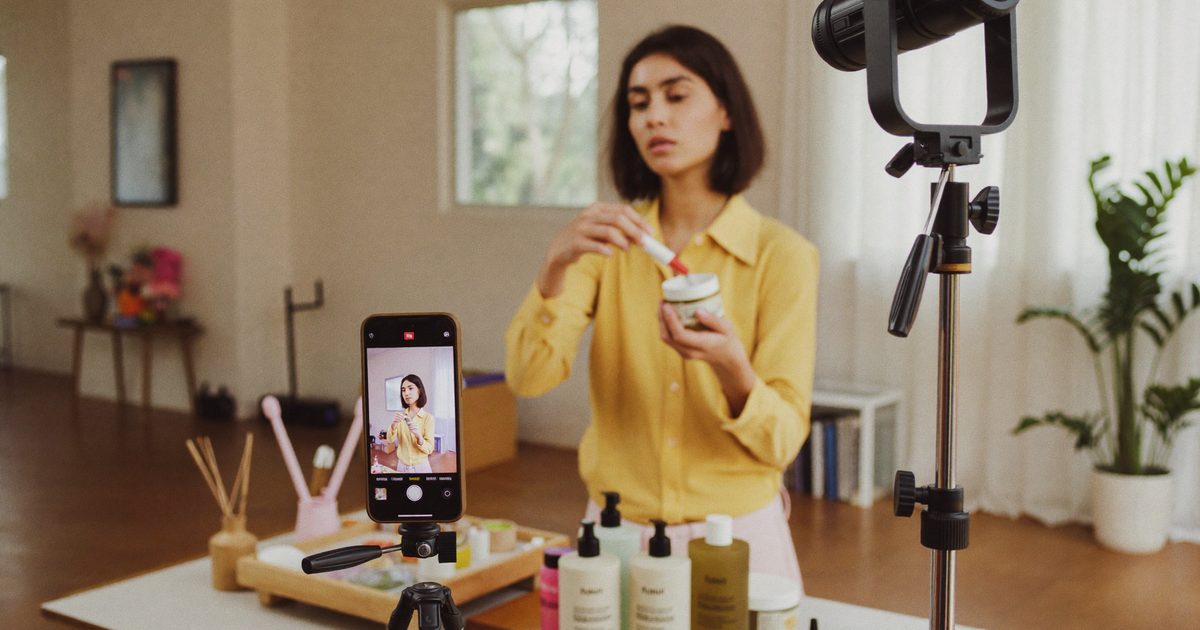
- UGC production at Rs. 1 lakh: Approximately 8–10 creator videos from nano or micro creators (10K–100K followers) across cities, say, a fitness creator in Pune, a lifestyle creator in Chennai, a Hindi-speaking health creator from Jaipur. You get 8–10 distinct angles, face-to-camera formats, natural lighting that reads as authentic, creator-owned handles for organic posting rights, and raw assets you can repurpose for at least 6–8 months of ad creative rotation.
The math shifts even further when you factor in ad performance. In wellness categories we have run, UGC-style creatives consistently outperform studio-produced equivalents on Meta CPMs, not because UGC is inherently magical, but because thumb-stop rates are higher when content doesn't look like an ad in the first scroll moment.
Where the Hybrid Model Actually Makes Sense
The most effective wellness campaigns we have worked on don't choose between UGC and traditional, they sequence them.
The pattern that works: launch with a single, polished brand film (traditional production, higher budget) to set brand positioning and run it on YouTube pre-roll and connected TV. Simultaneously, not afterwards, flood Meta and Snapchat with 8–12 UGC creatives targeting the same audience with problem-first, creator-led content. The brand film answers "what is this brand?" The UGC answers "will this work for me?"
- Retargeting audiences who have watched the brand film with UGC testimonials is a particularly high-converting sequence for wellness supplements in the Rs. 400–1,200 price range.
- Seasonal timing matters in Indian wellness: Chyawanprash and immunity products spike in October–November (pre-winter, Diwali gifting); protein and fitness products spike January–March (New Year fitness intent); hair and skin products spike March–May (summer damage concern). UGC is faster to produce and refresh for these seasonal windows than traditional production.
- Vernacular UGC, a Tamil creator reviewing a digestive health product in Tamil, a Marathi creator doing a morning routine in Marathi, reaches audiences that national brand films in Hindi/English simply don't convert in. This is not optional in a market where significant wellness e-commerce growth is coming from tier-cities across India in Maharashtra, Tamil Nadu, and Gujarat.
The One Brief Mistake That Kills Wellness UGC
The single most common error we see when wellness brands bring us in to fix underperforming UGC campaigns: the brief was written by the marketing team, not informed by what customers actually ask before buying. The creator ends up talking about ingredients and certifications, which matter after trust is established, not before.
Before we write any wellness UGC brief, we pull the brand's most common customer support queries, their Amazon/Nykaa review language, and the questions appearing in their Instagram comment threads. That is the actual brief. The creator's job is to be the person who had those exact doubts, tried the product, and came back with an honest answer. That is what UGC can do that a studio set cannot: replicate a real conversation.
The most useful wellness content answers the question the buyer was already holding when they hit play. Everything else is just reach.
If you are a wellness brand evaluating your current creative mix, or building your first UGC production pipeline, we are happy to walk through what a structured, ASCI-compliant UGC brief looks like for your specific category. Book a free consultation and we'll map it against your current ad performance.