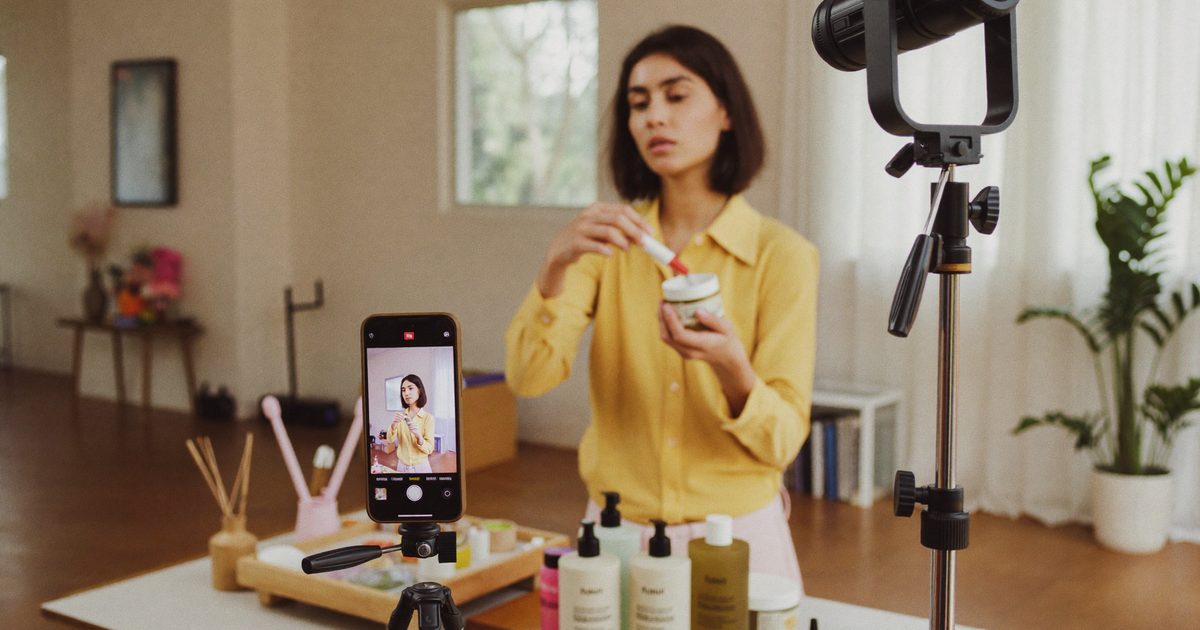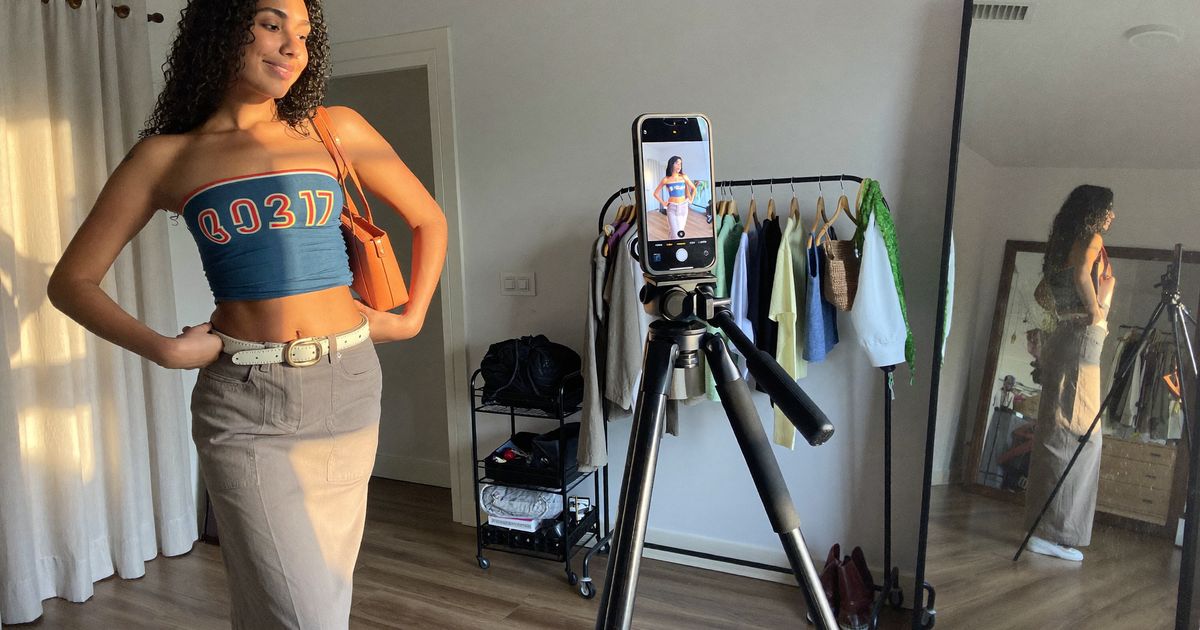
Most luxury marketers hear "UGC" and picture shaky phone clips that would cheapen a brand they have spent years making aspirational. That instinct is right about bad UGC and wrong about the category. In India's premium market, fine jewellery, designer fashion, watches, premium skincare, high-end home, authenticity and prestige are not opposites. The brands getting it right use UGC to create desire and proof while traditional ads carry the aura. Here is how the two actually divide the work.
What traditional ads still do better for luxury
Traditional, high-production creative owns the things that signal status: the campaign film, the architectural store shoot, the celebrity or designer association. This is the brand's "stage voice", controlled, flawless, expensive-looking on purpose. For luxury you do not want to retire this. It sets the price anchor and the fantasy.
What UGC does that a campaign film cannot
A glossy ad tells the customer the product is desirable. A real owner showing how the piece looks in daily life proves it is worth it, and that proof is what closes a high-consideration purchase. For a ₹80,000 bag or a ₹2,00,000 watch, buyers research for weeks and look for real people, not models. UGC answers "will this look right on someone like me, in my city, at my events?" That question never gets answered by a billboard.
The luxury-safe UGC playbook
- Cast for taste, not follower count. A 12k-follower architect or curator with impeccable aesthetic beats a 500k generalist. The creator's frame is your brand safety.
- Quiet-luxury production values. Natural light, real homes and venues, minimal text, slow pacing. It should feel candid but composed, never busy or "salesy."
- Craft and provenance stories. The atelier, the materials, the maker's hands. In India, this also lets heritage brands (Kanjeevaram, Kundan, leather) turn process into content that justifies price.
- Discreet client testimonials. Existing clients describing the occasion they bought for, a wedding, an anniversary, reads as social proof without discounting the brand.
What to avoid
Hard-sell hooks, discount language, loud captions, and high-volume creator batches all erode prestige. Luxury UGC should be fewer pieces, higher craft. One wrong cheap-looking asset in the feed does more damage than ten do good.
The India context
Premium buying here is increasingly Tier-1 metro plus a fast-growing affluent Tier-2 base, and it runs on Instagram and YouTube long-form, not just store visits. Festive and wedding seasons (Diwali, the wedding calendar) are when authentic "in real life" content converts hardest, real guests, real outfits, real settings outperform studio every time.
The verdict: for luxury it is not UGC or traditional, it is traditional for the fantasy, UGC for the proof. Brands that run both, with UGC held to a luxury craft bar, get the desire of a campaign and the conversion of a recommendation.
Building premium UGC that protects your brand? Talk to our strategy team, we cast for taste and produce to a luxury standard. See our recent work.