A fitness brand in Pune recently spent Rs.4.8 lakh on a 30-second TVC-style ad, polished studio lighting, actor doing flawless kettlebell swings, aspirational tagline in English. It ran on Instagram and YouTube for three weeks. Click-through rate: 0.4%. Meanwhile, a creator in Chennai filmed a 45-second reel showing her first month on a protein supplement, no studio, no script, one retake, and drove a 3.2% CTR for a competing brand at under Rs.30,000 all-in. The gap is not luck. It is a category-specific mistake that fitness brands keep repeating.
Fitness is one of the few verticals where authenticity is not just preferred, it is the purchase trigger. Buyers are deciding whether to put something in their bodies or commit to a physical routine. Trust is the conversion variable. Most fitness brands understand this intellectually but still brief their content like they are selling insurance. Here is where things go wrong, and how to fix them.
Mistake 1: Treating UGC Like a Cheaper TVC
The most common error we see is fitness brands handing creators a 15-point brief that includes a logo safe zone, a mandated tagline, a list of brand words to use, and a requirement to wear the brand's apparel throughout. The result looks exactly like a TVC, just shot on a phone. The audience clocks it instantly.
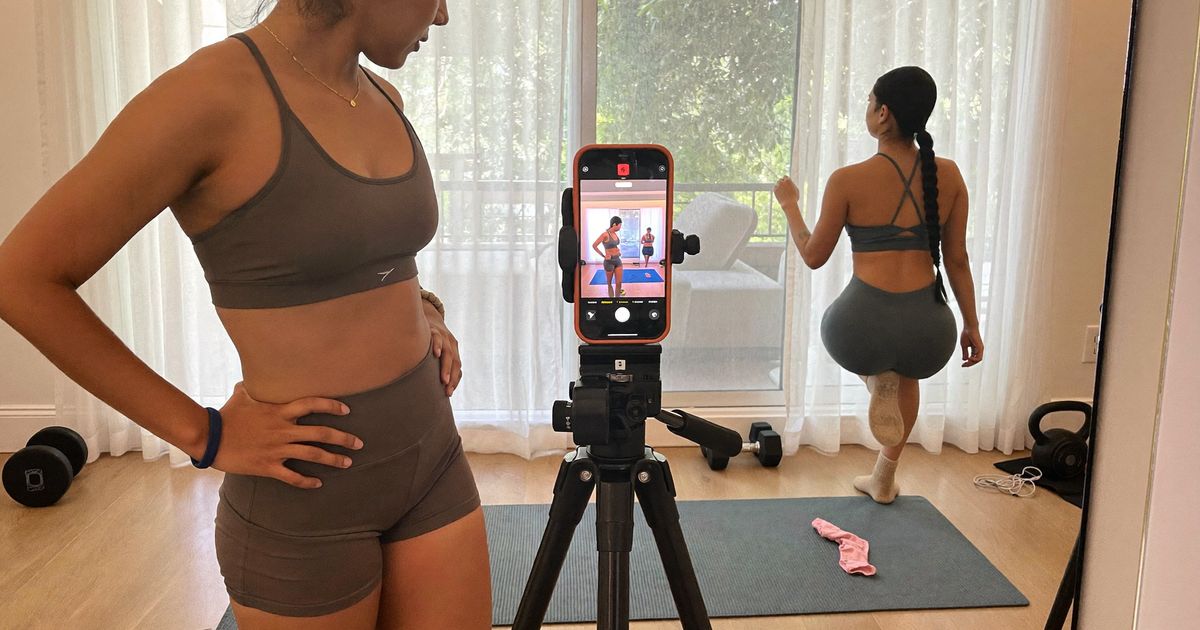
UGC works because it mimics organic content. The moment a fitness video has a product hold at second 3, a scripted testimonial at second 20, and a price call-out at second 35, it loses the informal cadence that makes people pause while scrolling. We brief creators to lead with their own experience first, a PR they hit, an injury they are recovering from, a plateau they broke, and let the product enter the story naturally, the way it would in real life.
The fix: give creators a situation brief, not a script. Tell them the problem you solve and the result you want to highlight. Trust them to build the story. For ASCI compliance (relevant since fitness and health claims require substantiation under ASCI's 2023 guidelines), you need to vet the output, but that is a review step, not a pre-production straitjacket.
Mistake 2: Ignoring ASCI Rules Until the Ad Is Live
Fitness is one of the most regulated categories under ASCI's guidelines. Specific prohibitions include: before-and-after imagery that implies results without noting individual variation, absolute claims like "lose 10 kg in 30 days," and testimonials from creators who are not genuine users of the product. In 2023-24, ASCI upheld complaints against several supplement and equipment brands for exactly these violations, many of which appeared in creator content the brand had approved without legal review.
- Before-and-after content requires a clear disclaimer that results vary. Many brands either skip it or put it in 8pt text that disappears in the first 0.5 seconds, ASCI treats this as non-compliant.
- Claim specificity matters. "Helped me feel stronger in four weeks" is a personal testimonial. "Clinically proven to increase strength by 40%" requires substantiation data. Creators often blur this line without realising it.
- Paid disclosure is mandatory under ASCI's influencer guidelines, every paid partnership must be labelled. Instagram's native "Paid Partnership" tag counts, but it must be on every piece of content, not just the first in a series.
The practical fix: build a 5-point compliance checklist into your creator brief and make it a condition of final payment sign-off. It takes 20 minutes and avoids a complaint that can pull the ad mid-campaign and damage your brand's reputation with the platform.
Mistake 3: Casting the Wrong Creator Profile
Fitness brands default to visible six-pack abs. This is understandable but often strategically wrong. The aspiration gap matters, if a creator looks like a competitive bodybuilder and you are selling a beginner's home workout programme, the audience does not see themselves in the content. They see an unattainable standard, which produces admiration, not conversion.
For Indian fitness brands specifically, this matters more than in Western markets. The dominant D2C fitness buyer right now is a 24-35-year-old in Tier cities across India (Bengaluru, Hyderabad, Mumbai) or Tier cities across India (Nagpur, Coimbatore, Jaipur) who is juggling desk work, family routines, and an irregular fitness habit. They buy from creators who look like them in process, someone who is fit enough to be credible, but not so elite that the product becomes irrelevant to their lives.
We have seen supplement brands in the Rs.60,000-1,20,000 UGC budget range consistently outperform on conversions when they cast "progress" creators (people 3-9 months into a fitness journey) over "achievement" creators (elite physique athletes), particularly for protein powders, yoga mats, and resistance bands. The equipment and elite supplement category is a genuine exception, buyers there want authoritative expertise, and a certified trainer or competitive athlete earns that credibility.
Mistake 4: Producing Only Hindi or Only English Content
Indian fitness content has a language problem. Brands either produce everything in English (limiting reach in Tier 2+ markets) or everything in Hindi (excluding South Indian audiences who convert well on fitness products). The smarter play is intentional language segmentation by platform and creator geography.
- Instagram Reels skews toward English-comfort audiences in metro India, English or Hinglish works here.
- YouTube Shorts has strong uptake in Tamil Nadu, Karnataka, and Andhra Pradesh, Tamil and Telugu creator content consistently outperforms dubbed Hindi for fitness tutorials in these states.
- WhatsApp Status campaigns (increasingly used for D2C fitness re-targeting) need short, vernacular copy because they are often forwarded into regional group chats.
A fitness brand selling at Rs.1,500-2,500 per unit (typical for whey protein, foam rollers, or jump ropes in the mid-market) needs to close purchases in the language the buyer thinks in. Producing two regional-language UGC pieces per quarter at Rs.15,000-20,000 each is one of the most underutilised ROI levers in this category.
Mistake 5: Running UGC Only at Top of Funnel
Brands treat UGC as awareness content, throw it at cold audiences on Meta or YouTube, then retarget with discount ads. This wastes the asset. UGC is actually strongest at mid-funnel, when a prospect has already shown category intent but has not committed to your brand specifically.
The decision point for most fitness purchases is not "should I get fit?", it is "why this brand over the four others I have bookmarked?" UGC answers that question better than any product page.
Practical applications that fitness brands consistently underuse:
- Retargeting audiences with long-form creator content (2-4 minute YouTube or Instagram carousel) that shows a full product experience, unboxing, setup, first use, 30-day results.
- On-site embedding: creator videos on product detail pages measurably reduce return rates for apparel and equipment brands; they answer the "does this actually work?" question before purchase.
- Meta Dynamic Creative: uploading 6-10 UGC clips and letting the algorithm find the best performer for each audience segment, rather than manually A/B testing two hero ads.
Mistake 6: No System for Evergreen Content
A fitness brand's biggest UGC asset is often the first genuine creator review of a new product, and most brands use it for 3-4 weeks, then abandon it. In fitness, early authentic reviews have a long shelf life because they are the hardest thing to fake retroactively. A genuine testimonial from a creator who has used your protein for six months is more valuable at month 18 of your brand than at month 1.
Build a licensing clause into every creator contract that grants you 12-24 months of paid media rights, not just organic usage rights. The incremental cost at contract stage (typically Rs.2,000-5,000 per creator for extended rights) is a fraction of what you pay to produce replacement content. We routinely see brands spend Rs.80,000 producing fresh UGC because they did not license the Rs.15,000 piece they made eight months ago.
If your fitness brand is rethinking its content strategy, whether you are launching a new product line, shifting from awareness to performance, or simply tired of ads that look like ads, our team at The UGC Agency works with fitness and wellness brands across India to build creator briefs, source the right talent, and produce content that converts. See what that looks like in practice at our work page.