Home decor is one of the few categories where a customer's decision-making journey can span six weeks and involve seventeen browser tabs. We know this because we track it, from the first Instagram Reel a potential buyer watches while scrolling through a #bohointeriors feed, all the way to the moment they add a macramé wall hanging or a printed cane chair to their cart. Building a UGC funnel for home decor requires matching the right content format to the right moment in that journey, and in India, where taste is deeply regional and budget ranges wildly from Rs.500 cushion covers to Rs.4 lakh custom sofa sets, getting that mapping wrong is expensive.
Here is how we actually structure content briefs and funnel stages for home decor brands we work with, including what we tell creators, what platform placements we push the content into, and where most brands waste their budget by skipping the middle.
Why Home Decor Demands a Three-Stage UGC Brief (Not One)
Most D2C home decor brands come to us wanting a single "hero" creator video. The problem is that a first-time buyer considering a Rs.6,000 geometric print bedsheet behaves completely differently from someone who already owns three of a brand's products and is now eyeing a Rs.18,000 handwoven dhurrie. The trust required, the content register, and the platform where they are looking are all different.
We break briefs into three stages:
- Awareness (top of funnel): Inspire and introduce. The viewer has no brand loyalty. They are browsing Pinterest, Instagram Reels, or YouTube Shorts for room transformation ideas, not shopping actively.
- Consideration (mid-funnel): Demonstrate and differentiate. The viewer is now comparing three or four brands. They want to know how a product actually looks in a real home, how it washes, how it arrives packed, and what the texture feels like.
- Conversion (bottom of funnel): Reassure and close. The viewer is on a product page or has added to cart and stalled. Social proof, reviews, unboxings, setup clips, removes the last objection.
When we brief creators, we write a separate document for each stage. The mood, the hook, the call-to-action, and even the background music are different. A creator filming an awareness Reel might be asked to open with a "room before" shot that looks like any cluttered 2BHK in Bengaluru. A mid-funnel creator gets a more structured brief: show the texture close-up, mention the exact dimensions, and talk about whether it fits a standard Indian bed frame (72 x 36 inches is not universal across brands).
Awareness Content: Aesthetic, Aspirational, and Regionally Grounded
For the top of funnel in home decor, Instagram Reels and YouTube Shorts do the heaviest lifting. We brief awareness creators to lead with transformation, a cluttered shelf becoming a styled shelfie, a bare balcony becoming a rattan-and-plant corner, because that is what stops the scroll in this category.
Regionally, this matters more than most brands admit. A creator based in Chennai styling a terracotta-heavy, Chettinad-inspired look will resonate differently from a Mumbai-based creator who leans into minimal Japandi aesthetics. We actively roster creators in Jaipur, Hyderabad, Kolkata, and Pune specifically because home decor taste has geographic texture. A brand selling handblock-print cotton cushions should not have all their awareness content come from creators in identical-looking metro apartments.
- Keep awareness videos between 20 and 35 seconds, just enough to inspire, not enough to educate.
- No hard sell in the caption. The product is a prop in a desirable lifestyle, not the announcement.
- Per ASCI guidelines, if a creator is being paid or gifted product, the post must carry a clear #Ad or #Sponsored disclosure. We include this as a non-negotiable in every contract, and we review creator content before it goes live.
- Hashtags at this stage should mix broad (#homedecor, #interiordesign) with specific Indian tags (#indianhome, #jaipurcraft, #Bengaluruinteriors) to catch both algorithm-driven distribution and intent-driven search.
Mid-Funnel UGC: The "Real Home" Standard
This is the stage most home decor brands skip or underfund, and it is where purchases are actually decided. A customer who saw an awareness Reel and visited the brand's website is now comparing. They are reading reviews, watching unboxing videos on YouTube, and Googling "[brand name] review" to find Reddit threads and blog posts.
We brief mid-funnel creators to film content that answers the specific objections buyers have about home decor:
- Scale confusion: Indian buyers consistently misjudge dimensions from flat-lay product photos. We ask creators to show items next to something familiar, a standard pillow, a floor lamp, a door frame. One brand we worked with saw a 22% drop in return requests after we added this format to their Meta retargeting creative.
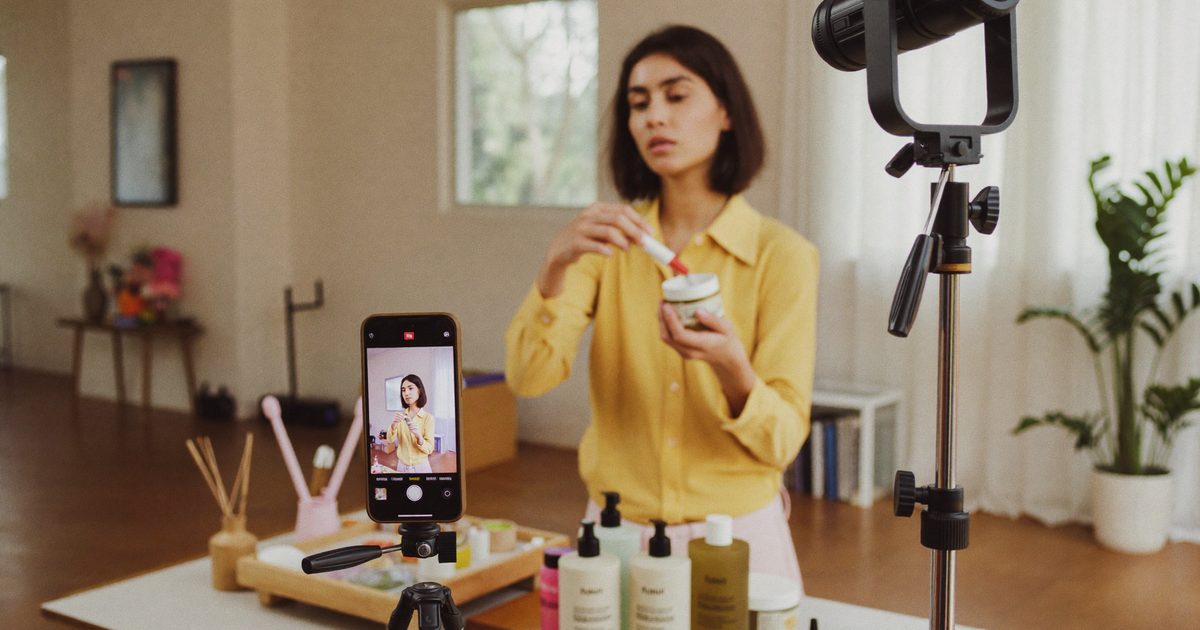
- Material and finish anxiety: "Does the print crack after washing?" and "Does the wood look cheap in real light?" are among the most searched phrases for home decor categories. Mid-funnel content should address these directly, not with a script, but by showing the item under natural window light and after actual use.
- Apartment-realistic styling: Most Indian buyers live in 1BHK or 2BHK apartments with low ceilings, not in the airy loft apartments shown in catalogue shoots. We brief creators to use realistic spaces. When a viewer sees a styled corner in a Pune flat that looks like their own second bedroom, the aspiration gap collapses.
For platforms at this stage, we push content into Meta retargeting (video views and website visitors custom audiences), and we also repurpose the same clips into YouTube pre-roll targeting people who have searched for category keywords. Pinterest is underused in India for mid-funnel home decor, it is not a high-volume awareness platform here yet, but it works well for brands selling premium or artisanal products to buyers with longer research horizons.
The brief we send to mid-funnel creators always ends with this line: "Film this like you are explaining the product to a friend who is about to make a Rs.3,000 decision and is nervous about making a mistake." It changes the energy of the video entirely.
Bottom-of-Funnel Content: Closing Without Hard Pressure
At the conversion stage, the buyer is close. They have added to cart, or they are on the product page, or they have visited twice this week. The content that works here is not aspirational, it is confirmatory. It tells them they are not going to regret this.
For home decor, the most effective bottom-of-funnel UGC formats in India are:
- Unboxing and setup clips: Short (45–90 seconds), showing exactly what arrives in the package, how it is packed, and how quickly it can be set up. Buyers worry about damage in transit, especially for fragile items like ceramics, glass votives, or framed prints shipped via standard courier.
- Three-month check-in reviews: A creator who bought or was gifted a product three months ago revisiting it. "Still looks exactly the same after washing six times" is worth more than any headline claim.
- Photo reviews boosted as ads: Static UGC photos from verified buyers, pulled from the brand's website review section or WhatsApp feedback, and turned into Meta carousel ads. This format consistently outperforms branded photography for home decor retargeting because the image quality is imperfect in a way that reads as authentic.
One operational note: brands often want to use review content as ad creative, but doing so requires explicit permission from the creator or reviewer. We help brands set up a simple consent flow, a WhatsApp message or email template, when they are collecting post-purchase reviews. This keeps them compliant with ASCI's endorsement guidelines and gives them a clean library of usable content.
Budgeting and Creator Fees for a Three-Stage Home Decor Funnel
For a mid-sized home decor D2C brand in India spending Rs.1.5–2 lakh per month on paid social, a realistic UGC content budget looks like this:
- Awareness tier: 4–6 creators per month at Rs.8,000–Rs.20,000 per video depending on follower count and niche. Nano and micro creators (10K–80K followers) in the interiors niche often outperform larger general lifestyle creators for this category.
- Mid-funnel tier: 2–3 creators filming longer, more structured videos. Budget Rs.15,000–Rs.30,000 per creator for a scripted, edited 60–90 second piece.
- Bottom-of-funnel: Product seeding to 10–15 real buyers per quarter, with a post-purchase review ask. Cost is largely product cost plus logistics. Budget Rs.25,000–Rs.50,000 in product value plus a small fee (Rs.2,000–Rs.5,000) for creating formatted content from their raw feedback.
The biggest mistake we see is brands putting 90% of this budget into awareness creators with large followings and then wondering why their cost-per-purchase stays high. The mid-funnel content, the real-home, real-light, real-scale videos, is doing the conversion work. Skimping on it means your awareness spend is leaking at the consideration stage.
Measuring Funnel Performance Across Stages
We use different KPIs at each stage, and we report them separately to avoid the trap of judging awareness content by ROAS.
- Awareness: Reach, 3-second video views, follower growth on brand Instagram/Pinterest, and, if the content is running as a paid Reel, cost per ThruPlay (we aim for under Rs.0.80 for home decor in India).
- Mid-funnel: Add-to-cart rate on retargeted audiences, cost per landing page view, and time-on-product-page (tracked via Meta Pixel and GA4). A good mid-funnel video lowers cart abandonment when used as a retargeting creative.
- Bottom-of-funnel: Purchase conversion rate, cost per purchase on retargeting campaigns (we target website visitors who did not buy within 3–14 days), and return rate, which should drop as buyers get better product information pre-purchase.
Home decor is a category where a structured UGC funnel pays for itself quickly, particularly at the mid-funnel stage where most brands have a gap. If you are running a home decor brand and want to audit your current content-to-funnel mapping, our consultation process starts with exactly this review, where in the funnel your content is strong, where buyers are dropping off, and what creator briefs would close the gap.