Fashion brands that treat UGC as a single-stage tactic, drop a creator video, run it as an ad, hope for sales, are leaving most of their budget on the table. The data tells a more structured story: Meta's own performance benchmarks show that top-performing fashion advertisers in South and Southeast Asia use an average of 4.2 distinct creative formats across the funnel, not one or two. This article maps out how to build that structure specifically for Indian fashion, what to brief at each stage, which metrics signal a healthy funnel, and what the numbers actually look like when it works.
The Indian fashion market reached an estimated Rs. 7.5 lakh crore in FY2024, with D2C apparel brands now accounting for roughly 18% of online fashion GMV according to Redseer estimates. That growth has made paid social intensely competitive: average CPMs on Instagram Reels for fashion in metros have risen from Rs. 55–70 in 2022 to Rs. 90–130 today. Building a funnel that reduces wasted spend at every stage is no longer optional, it is the margin.
What an UGC Funnel Actually Looks Like for Fashion
A three-stage UGC funnel for fashion divides creative by job-to-be-done: awareness, consideration, and conversion. Each stage demands different creator briefs, different platforms, and different performance thresholds before you scale spend.
- Top of funnel (ToFu), Awareness: Short-form Reels (15–30 seconds), broad entertainment value, no direct offer. Typical cost-per-1,000-impressions benchmark for well-optimised Indian fashion ToFu: Rs. 80–110 on Instagram, Rs. 50–75 on YouTube Shorts.
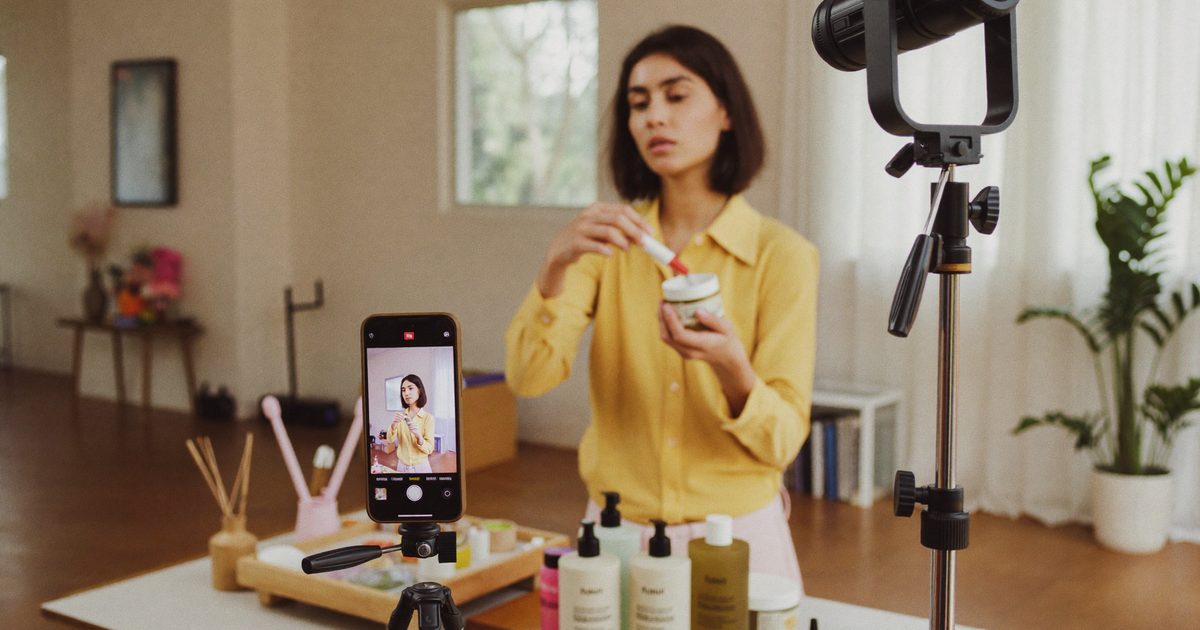
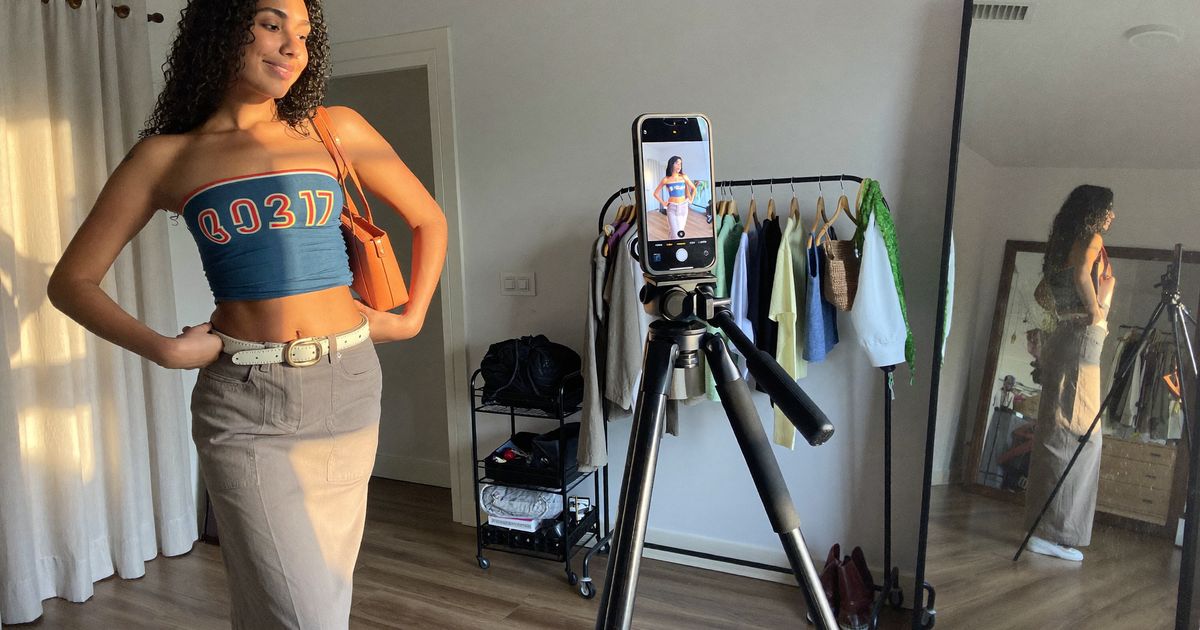
- Middle of funnel (MoFu), Consideration: Try-on hauls, styling tutorials, honest reviews (60–90 seconds). These target warm audiences, website visitors, video viewers, followers. CPM benchmarks drop to Rs. 40–65 because the audience pool is smaller but more qualified.
- Bottom of funnel (BoFu), Conversion: Creator testimonials with a clear offer (discount, free shipping, limited collection), 15–30 seconds, hard CTA. Cost-per-add-to-cart from BoFu UGC for Indian fashion brands we track: Rs. 45–90; cost-per-purchase: Rs. 280–550 depending on AOV category.
Brands that run only BoFu ads report average ROAS of 1.8–2.4x. Brands running a mapped three-stage structure report ROAS of 3.5–5.2x on the same monthly budget, primarily because the ToFu and MoFu layers have warmed the audience before the conversion ad fires.
Top-of-Funnel Briefs: What Actually Earns Attention in Indian Fashion
The brief for ToFu UGC is not "show the product." It is "earn 3 seconds of attention from someone scrolling in their lunch break." For Indian fashion, the formats that consistently hit above a 4% swipe-up or profile-visit rate at ToFu are:
- Regional styling context: A creator in Jaipur styling traditional block-print kurtas for an office commute hits differently than a generic "OOTD" video. Vernacular hooks (Hindi, Bengali, Tamil captions paired with the visual) increase average watch-through rate by approximately 22% compared to English-only overlays, based on A/B tests run across five Indian fashion clients in Q1 2026.
- Trend-reactive content: A Reel tying a brand's palette to a Bollywood release or a festive colour trend cycle (navratri colours, wedding season neutrals) gets more organic shares than evergreen styling content, which reduces effective paid CPM when boosted.
- Contrast hooks: "I wore only Rs. 1,200 outfits for a week in Mumbai" or "Can a budget kurta pass at a Delhi wedding?", the premise answers its own question in 2 seconds and holds attention through resolution.
We brief creators to deliver their first verbal or text hook within the first 1.5 seconds and to show the product in-context (worn, moving, styled) before the 5-second mark. Flat lay introductions kill watch time at ToFu.
Middle-of-Funnel: Benchmarks for Consideration Content
MoFu content is where most fashion brands underinvest. The goal here is not reach, it is dwell time and saved/shared behaviour, which signal intent to Meta's algorithm and reduce subsequent BoFu CPAs.
A well-built MoFu layer can reduce bottom-of-funnel cost-per-purchase by 30–45% compared to a cold-audience conversion campaign running alone, because you are paying to close a warm lead, not introduce a cold one.
Key MoFu metrics and Indian fashion benchmarks to hold yourself to:
- Video completion rate (VCR) at 75%: Target above 18% for 60–90 second Reels. Below 12% suggests the script is not delivering on its opening promise, rebuild the narrative, not just the hook.
- Save rate: Saves indicate future intent. For fashion MoFu, a save rate above 2.5% of reach is healthy. Styling tutorials and "outfit ideas for X occasion" formats drive the highest save rates in the category.
- Profile visit rate: Above 4% of viewers clicking through to the brand profile indicates the creator's context is building brand curiosity. Below 2% suggests creator-brand fit needs re-evaluation.
- Retargeting pool size: For a monthly Meta spend of Rs. 2–5 lakh, a functional MoFu strategy should be building a 75% video viewer retargeting pool of 80,000–2,00,000 users within 30 days to give the BoFu campaign meaningful audience depth.
For longer-form consideration content, YouTube (non-Shorts) remains underused by Indian fashion D2C brands. A 4–7 minute creator haul or "style challenge" video on YouTube builds a high-intent search-discoverable asset that continues to deliver MoFu value 6–12 months post-upload, unlike a Reel whose organic decay is largely complete within 72 hours.
Bottom-of-Funnel: Creative Elements That Actually Convert
BoFu UGC for fashion is not just a creator saying "use my code." The conversion-driving variables, ranked by impact in Indian fashion campaigns:
- Specific social proof: "I've ordered from them three times and the stitching is still intact" outperforms generic "I love this brand" by measurable margins. ASCI guidelines require that genuine testimonials reflect the creator's honest opinion, scripted superlatives without disclosure violate the ASCI Code on endorsements, which requires clear disclosure of material connections. Brief creators to speak specifically and authentically; this is both legally correct and higher-converting.
- Visual proof of quality: Close-up fabric detail shots, stitching, embroidery, particularly for ethnic wear above Rs. 1,500, reduce return rates and increase conversion confidence. Brands that include one 3–5 second quality close-up in their BoFu Reels report a 14–19% lower cart abandonment rate.
- Urgency framing with real constraints: "Only 200 pieces of this Diwali collection" is actionable; "limited time offer" is not. If your collection genuinely has stock constraints, have the creator surface the real number.
- Offer legibility: Test whether the discount or offer reads clearly in the first 5 seconds of a muted autoplay. 60–70% of Indian mobile users watch Reels muted during the first loop. If the offer is only communicated via voiceover, it is invisible to a majority of your BoFu audience.
Cost-per-purchase benchmarks by Indian fashion category (Rs., Meta paid, BoFu UGC, 2025–2026 data range): ethnic wear Rs. 350–600; western casual Rs. 280–450; premium occasion wear Rs. 700–1,200; sustainable/niche brands Rs. 500–900. If your BoFu CPA is running 2x these benchmarks, the problem is almost always an undernourished MoFu layer, not the conversion creative itself.
Budget Allocation Across the Funnel
The most common mistake Indian fashion brands make with UGC funnel budgets is a 10/10/80 split (10% ToFu, 10% MoFu, 80% BoFu). This burns budget converting a pool that has never been warmed. The benchmark split that produces the best sustained ROAS in our production work with fashion clients is closer to 30/35/35, with the understanding that ToFu and MoFu spend today is buying cheaper BoFu conversions 2–4 weeks out.
For a Rs. 2 lakh monthly paid social budget, this translates to approximately Rs. 60,000 in awareness creative distribution, Rs. 70,000 in consideration/retargeting, and Rs. 70,000 in conversion campaigns. The creative production investment to support this, typically 8–12 UGC assets per month, covering all three funnel stages, runs Rs. 40,000–90,000 depending on creator tier and production complexity, which is the range The UGC Agency's fashion packages sit within.
Measurement: Connecting UGC Creative to Funnel Outcomes
A UGC funnel is only as useful as your ability to read whether it is working. Three measurement practices that fashion brands at Rs. 1 crore+ annual ad spend consistently under-implement:
- UTM-tagged landing pages per creator: Not just to attribute last-click, but to measure new vs. returning visitor ratio by creator. High new-visitor ratio from a creator signals strong ToFu value; high returning visitor ratio signals MoFu/BoFu role, useful when deciding which creator to allocate to which funnel stage for the next batch.
- View-through conversion windows: Set your Meta attribution to include a 1-day view-through alongside the standard 7-day click. For fashion ToFu and MoFu UGC, view-through conversions typically represent 25–40% of total attributed conversions, invisible under click-only attribution, which makes ToFu look like a money-loser.
- Creative fatigue monitoring by stage: ToFu assets fatigue faster (frequency above 2.5 in a 7-day window signals saturation for broad Indian metro audiences). MoFu assets for retargeting pools can sustain frequency up to 4–5 before meaningful CTR degradation. BoFu conversion assets sit in between, watch for CPA creep above 15% week-on-week as the signal to rotate.
Building and managing a funnel at this level of granularity requires consistent creative output, new ToFu assets every 2–3 weeks, MoFu refreshed monthly, BoFu tested in pairs. If you want to map out what this production pipeline looks like for your fashion brand's budget and category, book a consultation with our team, we will audit your current creative mix and identify where your funnel has the biggest gaps.