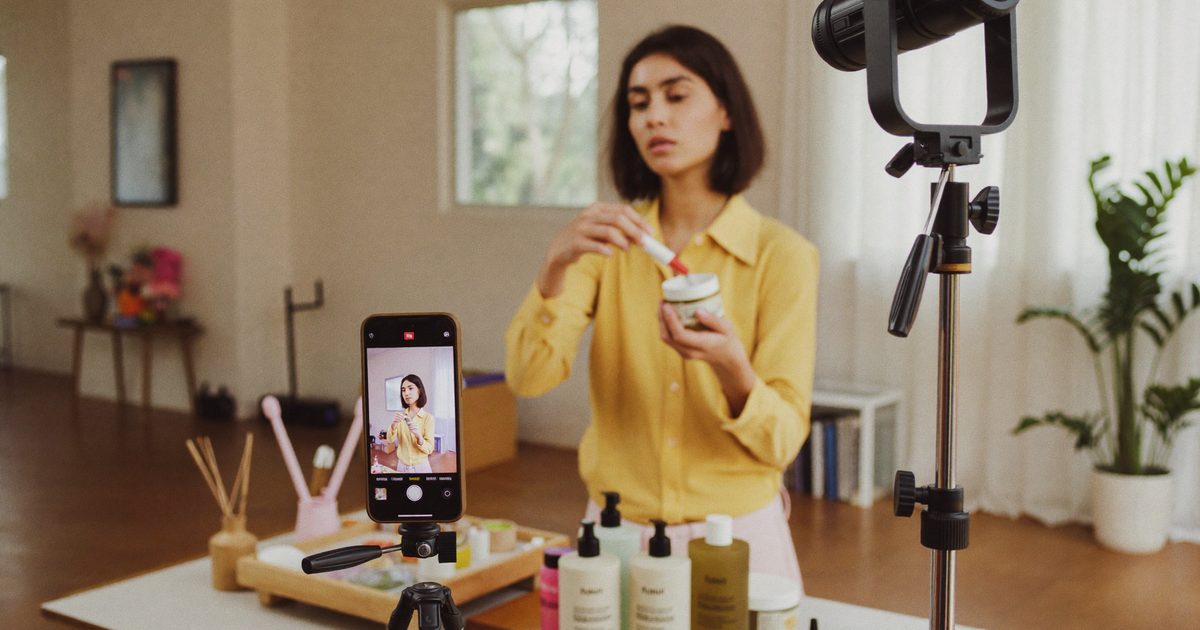
Baby products occupy a unique and demanding corner of marketing: the buyer is not the user, the decision is emotionally charged, and trust, earned through peer voices, not brand claims, is the single most decisive factor. When a first-time mother in Pune is choosing between two baby massage oils, she is not reading the label; she is asking her WhatsApp group and scrolling through Reels from other mothers she follows. That peer-trust dynamic is exactly why a well-structured UGC funnel, built specifically for the baby category, consistently outperforms glossy production spots at every stage.
This article walks through how we actually structure UGC content across the full funnel for baby product brands, from the brief we hand creators, to the platforms where each content type earns its keep, to the compliance guardrails that the ASCI's Guidelines for Advertising to Children and the Drugs & Cosmetics Act place on this category specifically.
Why Baby Products Need a Different Funnel Logic
Most D2C categories allow you to run awareness and conversion content simultaneously because the purchase decision is low-stakes. Baby products are different. A parent who has never heard of your brand will not buy a baby skincare product from a single ad impression, the consideration cycle runs anywhere from two to four weeks, involving multiple touchpoints, peer validation, and ingredient research. That means your UGC funnel cannot be collapsed into a single "testimonial ad." Each stage must carry its own specific content job.
The three-stage structure we use:
- Top of funnel (Awareness): Introduce the problem or routine, not the product. New-parent content that shows a bedtime ritual, a cradle-cap struggle, or a diaper-rash resolution moment, with the product appearing naturally, not foregrounded.
- Middle of funnel (Consideration): Deep ingredient walkthroughs, "why I switched from X to Y" narrative videos, and head-to-head comparisons. This is where trust is built or lost.
- Bottom of funnel (Conversion): Specific, direct testimonials, post-use results, before-and-after skin shots, "ordering again" content. Short-form, high-specificity, minimal narrative.
Briefing Creators: The Variables That Matter Most in This Category
When we brief creators for baby product campaigns, two instructions appear in every document, regardless of brand:
- Do not make any health, safety, or developmental claims that cannot be substantiated by the brand's lab documentation. India's ASCI guidelines explicitly hold influencers to the same truthfulness standard as the advertiser. A creator saying "this oil made my baby sleep through the night" is a sleep-aid claim, it requires substantiation. We flag this in the brief and offer a safe substitute: "I use this as part of our bedtime routine and my baby seems to love the smell."
- If a baby is on camera, the creator must be the actual parent or legal guardian. We do not cast babies through talent agencies for UGC production. This both sidesteps child performer regulations under state-level shop and establishment acts and, more practically, produces genuinely authentic content, because the child's reactions are real.
Beyond compliance, the brief includes a "sensory language bank": words and phrases that resonate with Indian parents, nourishing, no-parabens, safe for newborns, dermatologist-tested, cross-referenced against what the brand can actually claim. We also specify regional language variants upfront. A Hindi voiceover for Instagram Reels targeting Delhi-NCR and a Tamil voiceover for the same creative targeting Chennai are not afterthoughts; they are built into the creator brief as separate deliverables.
Platform Assignment: Where Each Funnel Stage Lives
The Indian mother's media diet is fairly predictable in 2025-26, and we map UGC content accordingly:
- Instagram Reels (15-30 seconds): Top and bottom of funnel. Algorithm-driven discovery makes Reels the best awareness vehicle for new brands. For conversion, we use Reels with a strong hook and a direct "link in bio" or product-tag CTA. Baby brands like Mamaearth built early traction here precisely because Reels rewards emotional, relatable content over polished production.
- YouTube Shorts and long-form YouTube: Mid-funnel ingredient content lives on long-form YouTube, a 6-8 minute "I read every ingredient in my baby's skincare" format consistently generates high watch time in the parenting niche. Shorts then repurpose the hook moments for discovery. For brands like The Moms Co. or WOW Skin Science, YouTube is where ingredient-conscious parents go to validate what they have already seen on Instagram.
- WhatsApp Status: Brands that have built a customer database, even a small one, see strong re-engagement through WhatsApp Status UGC clips. A 30-second "what's in my baby bag this week" video from a real customer, sent via broadcast, feels peer-to-peer even when it is a seeded post. This is underused by most baby brands and costs almost nothing to execute once the creator brief and video are in place.
- Meesho and Amazon storefront content: Bottom-of-funnel UGC is increasingly useful as on-platform video content, Amazon's "from the community" section and Meesho's product videos convert better with authentic parent reviews than with studio-shot demos. We produce short (under 60-second) product-demo clips specifically formatted for these placements.
Funnel Architecture: How the Pieces Connect
The mistake most baby product brands make is treating UGC as a collection of individual posts rather than a connected sequence. Here is how we connect the pieces in a typical 8-week campaign for a baby skincare brand with a budget in the Rs. 3-5 lakh UGC production range:
- Weeks 1-2: Seed 8-10 top-of-funnel "routine" Reels through micro-creators (20k-80k followers, new-parent niche) across Mumbai, Bengaluru, and Delhi-NCR. No product push, just the ritual, the baby, and a natural product appearance.
- Weeks 3-4: Retarget video viewers with mid-funnel content, longer YouTube videos from two or three creators who do ingredient-focused content (the "conscious mama" archetype performs consistently in this niche). Simultaneously, run a small batch of Hindi and Marathi language Reels for Tier cities across India like Nagpur, Surat, and Jaipur.
- Weeks 5-6: Push bottom-of-funnel UGC, "I have been using this for 6 weeks, here is my honest update" format. These convert well as paid dark posts on Meta, run against retargeted audiences who have engaged with weeks 1-4 content. The creator disclosure is maintained as required by ASCI, #ad or #sponsored in the first three lines of every caption.
- Weeks 7-8: Amplify the highest-performing organic posts with paid boost. No new creative, just budget behind what the algorithm has already validated organically. This is often the highest-ROAS phase of the campaign.
The brief we hand mid-funnel creators always includes one instruction most brands skip: "Tell us what you genuinely liked and what you found average." That honesty, a mild drawback acknowledged, then addressed, reads as credibility to a parent who has been burned by over-claimed baby products before.
Compliance and Category-Specific Guardrails
Baby products in India sit at the intersection of several regulatory frameworks, and UGC content must navigate all of them:
- ASCI's Guidelines for Advertising to Children (2023): Content featuring children must not exploit their inexperience, must not present unsafe situations as normal, and must not imply that owning a product will give a child advantages over peers. In practice, we review every creator's submitted video against these guidelines before it goes live.
- Drugs & Cosmetics Act claims: Baby products marketed as treating or preventing a medical condition, eczema, cradle cap, colic, cross into drug territory. We brief creators to stay in the cosmetic/wellness lane: "soothes," "moisturises," "gentle on skin" rather than "treats" or "cures."
- BIS certification mentions: If a brand's product carries BIS certification (relevant for baby toys and certain baby food contact items), creators can mention it, it is a genuine trust signal. We include it in the brief when applicable.
- Infant Milk Substitutes Act: Brands in the baby food/formula space face specific restrictions under the IMS Act, 1992. UGC campaigns for these products require legal review before briefing, this is non-negotiable and something we flag at onboarding.
Metrics That Actually Tell You the Funnel Is Working
Baby product UGC funnels have a longer conversion lag than most categories, which means optimising purely on ROAS at week two will kill a campaign that is actually working. The metrics we watch instead:
- Mid-funnel video completion rate: If 40%+ of viewers are completing a 5-minute ingredient video, the consideration content is doing its job. Drop-off before the 90-second mark usually means the creator's hook is too generic, we request a re-edit.
- Save and share rate on Reels: Saves are a stronger signal than likes in this category. A parent saving a "baby skincare routine" Reel is bookmarking it for a purchase decision, not just passively appreciating it.
- First-purchase cohort repeat rate (30-day): Baby product brands with strong UGC content see higher 30-day repeat purchase rates because the content that brought the customer in also set accurate product expectations. When repeat rates are low, it usually signals that the UGC overclaimed.
- WhatsApp "share to group" tracking: Use UTM parameters on WhatsApp Status links. High group-forward rates indicate the content is resonating with the peer-sharing behavior that drives word-of-mouth in this category.
If you are a baby product brand planning a UGC campaign, whether you are a bootstrapped D2C brand out of Bengaluru or an established name looking to break into Tier 2 markets, the funnel architecture above is the starting point, not a template to copy verbatim. The creator mix, language strategy, and platform weighting all shift based on your specific category (skincare vs. feeding vs. toys vs. apparel). We scope all of that at the briefing stage. You can see how we approach these engagements at our work, or reach out directly via a free consultation to walk through your specific funnel gaps.