A food brand's brief arrives in our inbox: "we want authentic content showing people enjoying our product." That single sentence is how most F&B UGC campaigns get stuck. No consumption moment specified, no setting, no sensory cue, no instruction on what the creator should not say. The shoot happens, the footage comes back looking like a stock photo, and the brand wonders why Meta's delivery algorithm buried it after two days.
This article walks through how we actually structure creative briefs for food and beverage UGC campaigns, what goes in, what gets cut, and the specific decisions that separate high-converting content from polished filler. Most of the examples are drawn from categories we work across regularly: packaged snacks, D2C nutrition brands, regional beverage labels, and quick-service restaurant chains running performance campaigns on Instagram Reels and YouTube Shorts.
Why Food & Beverage Briefs Need Their Own Framework
FMCG and food brands carry a constraint almost no other category shares: the product must be consumed on camera, or the content doesn't do its job. A fashion UGC creator can show a kurta without wearing it. A skincare creator can demonstrate application without the full 30-day result. But if a creator holds up a packet of makhana and says "these are great," without opening the bag and eating one, the viewer never gets the implicit endorsement that makes UGC work.
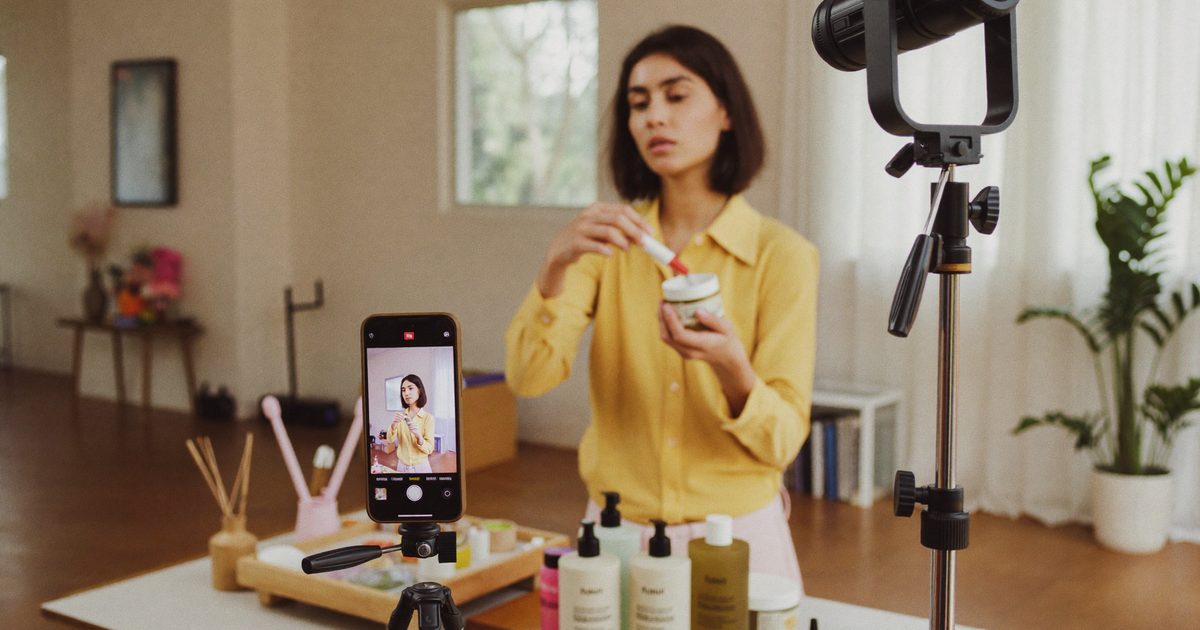
This shifts what a good brief needs to accomplish. It can't just describe the product or list claims. It must script or at least steer the physical performance of eating, drinking, or cooking, the sound, the moment of first bite, the facial reaction. Done well, these are the micro-moments that stop the scroll. Done without guidance, creators default to holding-up-and-smiling, which is the most common failure mode we see in F&B UGC.
There is also an ASCI compliance layer specific to food. Under ASCI's guidelines (and FSSAI's advertising code), food UGC cannot imply health benefits that are not permitted on the label, cannot use superlatives like "the healthiest" without substantiation, and must label the content as a paid partnership whenever the creator has received product or payment. We include a one-paragraph compliance note in every brief, covering these specifics rather than a generic "follow platform rules" line.
The Six Sections We Put in Every Food & Beverage Brief
We've landed on a six-section structure after iterating through dozens of F&B campaigns. Each section answers a question the creator will otherwise improvise an answer to, usually the wrong one.
- Product truth (one sentence). What is the single most important thing about this product that someone who has never heard of it needs to understand? Not three things, one. For a Bengaluru-based oat milk brand we worked with, it was: "it doesn't split in hot chai." That became the anchor of every script variant.
- Consumption moment. Where, when, and with whom is this product being used in the video? Morning chai ritual, post-gym snack, office desk lunch, family Sunday brunch, the setting is not optional background detail. It controls lighting, wardrobe, background noise, and the emotional register of the entire piece.
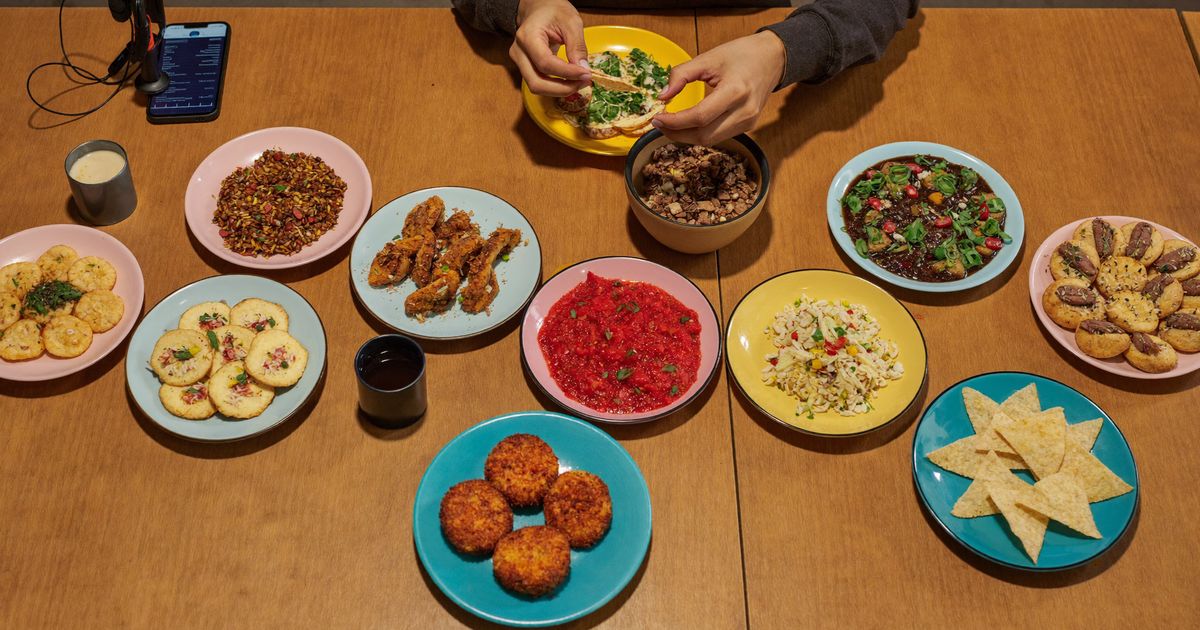
- The sensory beat. Every F&B brief should specify one sensory moment the creator must capture. This is the crunch of a chip, the steam rising from a bowl of soup, the fizz when a bottle opens, the colour contrast of a bright masala against a white plate. We write this explicitly: "the creator must show one close-up of [X], this is non-negotiable." Without this instruction, creators almost never shoot it.
- Verbal claim boundary. What can and cannot be said. For a whey protein brand, for instance, ASCI requires that muscle-building claims be substantiated; we tell creators to say "helps me hit my protein goals" rather than "builds muscle." For a low-sugar snack, they can say "lower in sugar than regular chips" only if the label comparison exists. This section is not optional and saves a lot of revision cycles.
- Format and duration. We specify whether it's a 15-second hook-focused Reel, a 30-45 second narrative piece for YouTube pre-roll, or a static carousel for Meta feed. F&B content has very different structural demands across formats. A 15-second Reel for a ready-to-eat brand needs the product in frame within the first two seconds; a 45-second story-driven piece for a D2C brand can afford a five-second emotional setup.
- What the creator should NOT do. This section is where most agencies are too polite. We're not. Specific don'ts for food: don't eat off-camera and return to frame chewing; don't hold the pack with your thumb covering the brand name; don't describe the product in ways that will read as a medical claim on a regulated category; don't shoot in a setting that contradicts the brand's positioning (a premium artisan biscuit brand doesn't want a creator eating it while scrolling a phone on a sofa, it undermines the craft story).
Setting Consumption Moments for the Indian Context
One thing that distinguishes Indian F&B briefs from Western template libraries is that consumption occasions here are culturally dense. Evening chai is not just a drink, it's a social ritual with specific visual codes: the steel glass or kullad, the sitting arrangement, the unhurried pace. A brief that says "show enjoying chai" and leaves it there will get a creator drinking from a white mug at a minimalist table, which is contextually alien to 80% of the target audience for most Indian brands.
We build what we call a "setting palette" into the brief: two or three specific visual settings that are on-brand and contextually accurate. For a regional namkeen brand targeting families in Tier-cities across India across UP and Bihar, appropriate settings might include: a veranda in afternoon light, a kitchen counter during snack prep, a group of three or four people watching a cricket match. These are described in two lines each, not paragraphs, but they orient the creator immediately.
Language is also a brief variable. A significant share of high-performing food content on Instagram and YouTube in India runs in Hindi, Tamil, Telugu, or Kannada, often in regional dialects rather than standard forms. We note the language requirement and, when the creator is not a native speaker, we provide a phonetic or literal translation of any key brand phrase they need to deliver. A creator in Kolkata doing a Tamil-market brief for a South Indian instant breakfast mix needs the tagline transliterated, not just typed in Tamil script.
Creator Matching Decisions That Change Brief Content
The brief we write for a 200K-follower food creator on Instagram Reels is structurally different from the one we write for a nano-creator (8,000–50,000 followers) running a regional YouTube channel. This distinction matters more in food than in almost any other category, because food authenticity reads differently at different scales.
For nano-creators, who make up a large portion of our production volume for F&B campaigns, the brief gives more latitude on setting and delivery style, but tighter constraints on the sensory beat and claim language. These creators have higher trust signals with their audience precisely because they feel unscripted; over-directing the delivery kills the thing that makes them effective. The brief should direct what happens, not how it's said.
For mid-tier creators who are producing content for paid media (where the asset goes into a Meta or Google campaign, not just organic posting), the brief shifts toward production quality requirements: minimum 1080p, no shaky cam during the sensory beat, no background music with copyright flags on YouTube. We include a short technical checklist, usually five items, at the end of these briefs. Creator contracts for paid media use also specify usage rights explicitly, including whether the brand can run the content as a dark post without the creator's handle visible. Rates for paid media usage rights typically run Rs.3,000–15,000 above the base creator fee depending on the creator's tier and the duration of usage.
Revisions, Feedback, and What Kills Good Food Content
The revision cycle on food UGC is where campaigns quietly lose weeks. Our production process uses a single consolidated feedback round after the first cut, not rolling notes, not "just one more small thing." We've found that food content degrades with over-revision in a specific way: the spontaneity of the eating moment gets replaced by overly deliberate performance. A creator who re-shoots the bite sequence four times stops reacting naturally and starts acting, and the result looks exactly like the branded content it was supposed to not look like.
Our brief explicitly tells the creator: "Shoot the consumption sequence in your first or second take. If it doesn't feel natural, take a break and reset, don't push through five consecutive attempts." This instruction alone has reduced our reshoot rate on food briefs by a significant margin. The eating moment is the hardest thing to fake well on camera, and the audience for food content, which skews toward genuinely interested cooks and food-curious people, can tell the difference.
The brief's job is to contain the mistakes before the shoot, not to correct them after. Every vague line in a food brief translates into a revision request, a delayed delivery, and a creator who's less willing to put in the extra effort next time.
Brief Formats for Specific F&B Sub-Categories
Not all food content is briefed the same way. Here's how the brief structure shifts across common sub-categories we work in:
- Packaged snacks and namkeens: Lead with the opening-and-eating ritual. The package opening, the first crunch, and the reaction are the three mandatory beats. Regional language preferred if the target market is Tier-2. Avoid lifestyle aspirational framing, it reads as inauthentic for this category. Price-point mention is often useful ("Rs.30 pack that I keep stocked in my office drawer").
- Health and nutrition (protein, supplements, functional foods): ASCI compliance section is extended. No before-after visual or language. No disease-related claims. Creator must clearly disclose paid partnership per ASCI guidelines. Consumption integration into a real routine (post-run, pre-work, after gym) is mandatory, not standalone product showcase.
- Beverages (packaged juice, flavoured water, RTD coffee, regional drinks): The pour or the open is the most important sensory beat, film it in good light. Refreshment reaction immediately after first sip is the second beat. Brief should specify whether this is a solo moment or a sharing moment, because these require different framing and set design.
- Restaurant and QSR: Location-based briefs must specify whether creators are visiting in a genuine customer context or in a disclosed partnership context. For in-store shoots, include a checklist of what requires restaurant permission to film. ASCI requires disclosure; the brief should include the exact hashtag and caption language to use (#ad or #sponsored, partner handle tagged).
- D2C artisan and premium food brands: These briefs require more context on brand story and values than mass-market briefs. The creator needs to understand the founder's sourcing philosophy or the regional ingredient provenance to deliver the brand message convincingly. A one-paragraph brand context section, cut from the brand's own copy, not generic, goes a long way.
If you're running F&B campaigns and finding that creator output doesn't match what you imagined in the brief, the gap is almost always in the sensory detail and the claim boundary, not in the creator's ability. A well-structured brief is a production tool, not a formality. We've built brief templates across most of these sub-categories through our production work, and if you want to see what a campaign-ready brief looks like for your specific product, the consultation process is the fastest way to get there.