Luxury brands in India have historically treated user-generated content with suspicion, the fear being that a consumer holding up a Rs.80,000 handbag on a shaky smartphone video would somehow "cheapen" decades of carefully constructed brand equity. That fear is understandable, but it misreads what UGC actually does for a luxury purchase. When someone pays a premium, they want proof that other real people have done so and feel no regret. That proof is exactly what UGC provides, and luxury companies that ignore it are handing an advantage to their competitors.
This guide walks you through the essentials, what UGC means for luxury specifically, how to source it without diluting your positioning, and what a finished content strategy actually looks like for an Indian premium brand. No prior knowledge of UGC is assumed.
What Makes Luxury UGC Different
Standard UGC guidance, "find everyday creators, keep it raw, show product in real life", needs adjustment before you apply it to luxury. The core principle still holds: authentic human voices outperform polished studio visuals when it comes to building trust. But the execution shifts in three important ways.
- Creator selection matters more. A beauty brand selling Rs.400 face wash can work with any relatable creator. A fine jewellery brand selling Rs.1.5 lakh necklaces needs creators whose lifestyle matches the aspiration. That does not mean only casting influencers with millions of followers, it means finding people who genuinely belong in the world your product inhabits: collectors, architects, luxury hotel concierges, premium travel bloggers based in metro cities like Mumbai, Delhi, or Bengaluru.
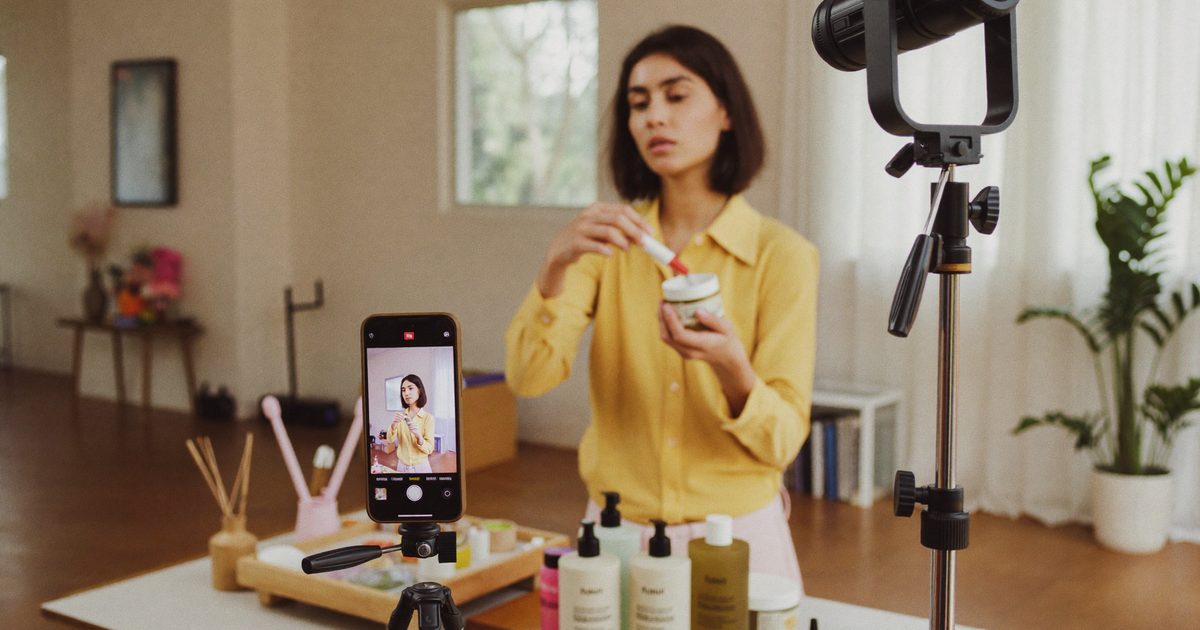
- Production floor is higher. "Authentic" does not mean "careless." For luxury UGC, we brief creators on lighting minimums, ideally natural window light or a ring light, and on how to handle the product on camera. A scratched tabletop background, poor audio, or a cluttered shelf behind the creator undermines the perception you are trying to build.
- The story arc is longer. Luxury purchases involve extended consideration. A creator who films a one-day unboxing reaction and nothing else tells an incomplete story. Multi-part content, discovery, purchase experience, three-week-later review, mirrors the actual consumer journey and is far more persuasive for high-ticket decisions.
Finding the Right Creators in India
India's luxury market is concentrated in a handful of cities and communities. When sourcing creators for premium Indian brands, these are the profiles that consistently deliver better results than generic "lifestyle influencer" casting:
- Micro-creators with niche audiences (10,000–80,000 followers) in categories like fine dining, bespoke tailoring, premium watches, or art collecting. Their followers have already self-selected into a luxury-receptive mindset, and their endorsement carries weight precisely because they are selective.
- Vernacular-language creators in Tier 1 markets. A Marathi-speaking creator in Pune reviewing a premium skincare brand reaches a high-income audience that English-only content often misses. The same logic applies to Tamil in Chennai, Kannada in Bengaluru, and Bengali in Kolkata. Luxury is not just English-speaking India.
- Professional-role creators. Interior designers filming a luxury home goods product, chartered accountants reviewing premium financial planning tools, or wedding photographers discussing a high-end camera bag, the professional context gives the creator inherent credibility for that category.
- Existing customers. This is underused by Indian luxury brands. Reaching out to verified purchasers and offering a small content fee or an exclusive preview of the next launch in exchange for an honest review video is the most cost-effective UGC pipeline you can build. These people already chose you, their content is the most credible possible signal to fence-sitters.
Formats That Work: Platforms and Content Types
The platform mix for luxury UGC in India is Instagram-first, with YouTube as the long-form companion. Instagram Reels (15–60 seconds) drive discovery; Instagram Stories drive conversion through link-based shopping or DM triggers; YouTube handles the deeper "Is it worth Rs.X?" consideration-phase content.
- Reels: First-impression reveals. The creator receives the product, films the opening experience, packaging texture, scent if applicable, craftsmanship details. No fast cuts; smooth, deliberate pacing signals quality. Under 45 seconds performs best in our production experience for aspirational categories.
- Carousels: Comparison and detail. A static photo carousel showing the product in three different settings, office, evening, travel, lets the audience pause and examine. For jewellery or leather goods, close-up shots that a studio would typically shoot can be replicated by a creator with a decent phone camera and macro mode.
- YouTube long-form: Honest reviews. A 7–12 minute creator-led review that addresses the "is the price justified?" question directly is the format luxury brands fear but need. Audiences searching "is [brand name] worth it India" are in late-stage consideration. A creator who honestly answers that question, including minor criticisms, converts those viewers at a higher rate than any polished brand film.
- WhatsApp Status content. This is often overlooked for luxury. High-income urban consumers are active on WhatsApp. A creator sharing a 30-second Status clip of a product they genuinely love, with a "DM me if you want to know more", can drive warm leads for brands that sell through personal shopping or boutique channels.
ASCI Rules and Disclosure: What Luxury Brands Must Get Right
The Advertising Standards Council of India (ASCI) requires all paid, barter, or gifted content to carry a visible disclosure. For luxury brands, this is not optional, and getting it wrong carries reputational risk that is worse for a premium brand than for a mass-market one.
- Disclosures must appear at the start of a Reel or Story, not buried in a caption. Text overlays like "#Ad" or "#Gifted" in a readable size fulfil the requirement.
- For gifted products above a certain value, ASCI guidelines treat the relationship as commercial regardless of whether cash changed hands. A Rs.50,000 watch gifted to a creator is a paid collaboration for disclosure purposes.
- Luxury brands should build disclosure language into creator contracts, not leave it to the creator's judgment. A standard contract clause specifying exact label text and placement takes 10 minutes to add and prevents compliance headaches later.
Disclosure does not harm luxury perception. In fact, transparent creators who say "I was gifted this and here is what I genuinely think" are trusted more by their audience than creators who pretend to have just stumbled across a product.
Briefing Creators Without Losing Authenticity
The most common mistake luxury brands make with UGC is over-scripting. A creator handed a word-for-word script sounds like a radio ad from 2005, and audiences clock it immediately. The brief should define the guardrails, not the words.
A well-structured luxury UGC brief covers:
- Brand voice words: Three to five adjectives the creator should embody (e.g. "understated," "deliberate," "confident"). These guide tone without dictating speech.
- Non-negotiable visuals: Product must be shown right-side up, label visible in at least one frame, no competitor products in the background. Clear, factual, easy to comply with.
- Prohibited claims: For skincare or wellness luxury products, ASCI rules prohibit unverified efficacy claims. List the specific claims creators cannot make: "cures," "clinically proven" (unless you have studies), or comparative superiority claims against named competitors.
- The one insight you want the audience to leave with: Not a tagline. An insight. "By the time someone watches this, they should understand why the hand-stitching on this bag takes 40 hours." That is actionable creative direction.
- What the creator can freely decide: Setting, language, personal story connection, pacing. Freedom in these areas is what makes the content feel real.
Measuring Success: Metrics That Matter for Luxury UGC
Vanity metrics, total views, raw follower reach, are a weak proxy for luxury UGC effectiveness. The numbers that actually tell you whether your content is working:
- Saves-to-views ratio on Instagram. A Reel that gets saved at 3–5% of total views is being bookmarked for a future purchase, a strong signal for high-consideration products.
- Comment quality. Are people asking "where can I buy this?" or "what is the price?" Those purchase-intent comments are more valuable than 500 fire emojis.
- Profile visits triggered by the post. Instagram analytics shows how many viewers visited the creator's profile after the post. For luxury, profile visits from a single post often indicate the audience went further to evaluate credibility before acting.
- Direct inquiry volume. For brands that sell through DM, WhatsApp, or boutique enquiry, track how many inbound messages spike in the 48 hours after a creator post goes live. This is a direct revenue signal that no algorithmic metric captures.
- Assisted conversions via UTM links. If creators include a trackable link, in bio, in Stories, or in a YouTube description, UTM parameters let you see how many site sessions and eventual purchases that creator generated, even if conversion happened days later.
Budget Expectations for Indian Luxury Brands
First-time UGC buyers in the luxury segment often either underspend (Rs.5,000 per creator, which typically gets you someone without the right positioning) or overspend on a single macro-influencer (Rs.3–5 lakh for one post that may not convert). A more effective allocation for a pilot campaign:
- 4–6 micro-creators in the Rs.15,000–40,000 per creator range, with full usage rights for paid amplification.
- 1 mid-tier creator (80,000–250,000 followers, category-relevant) at Rs.60,000–1,00,000 for a multi-part series.
- Budget for paid boosting of the two or three best-performing organic posts, typically Rs.20,000–50,000 on Instagram for a two-week test.
Total pilot budget: roughly Rs.2–4 lakh. That is the range at which you can generate enough content variety to learn what resonates before committing to a larger programme.
If you are ready to build a UGC programme that is calibrated specifically for a premium Indian audience, book a consultation with The UGC Agency. We work with luxury and aspirational brands to source, brief, and produce creator content that respects brand equity while generating the trust signals that actually move high-ticket buyers.