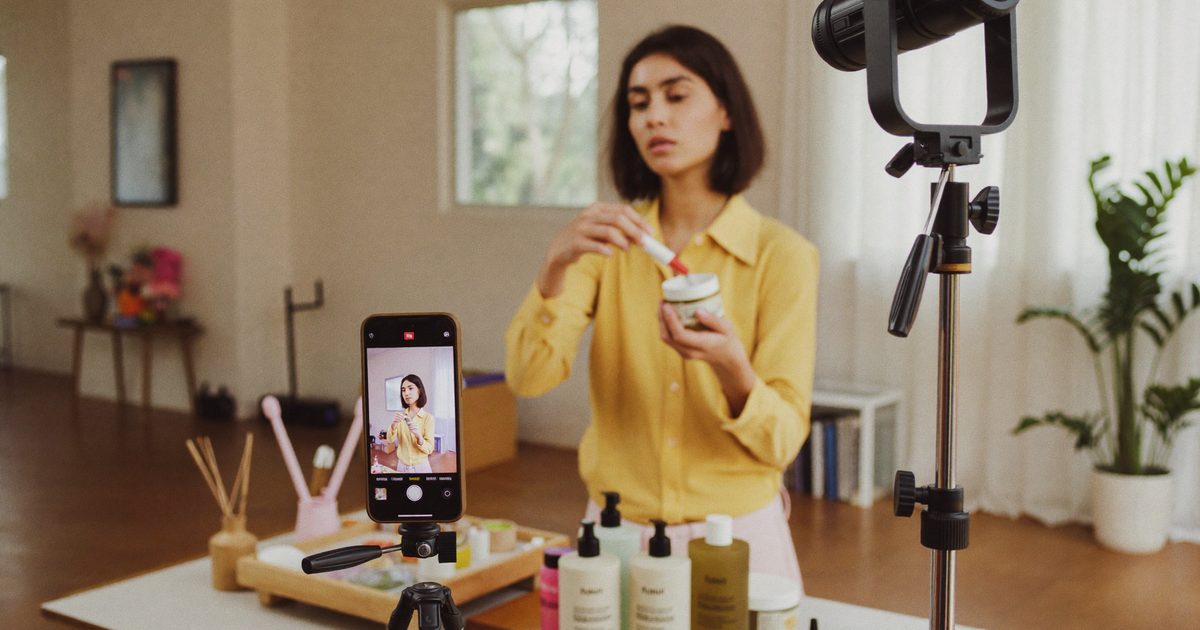
A cane bookshelf filmed in a Bangalore apartment tells a story that a studio product shot simply cannot. The natural light, the stack of books on the shelf, the plant in the corner, these details confirm that the piece actually belongs in a real home, not a showroom. For home decor brands in India, this contextual authenticity is the single biggest lever UGC pulls, and it is underused by most.
Home decor is one of the few categories where the purchase decision is almost entirely visual and trust-dependent. Shoppers on platforms like Pepperfry, Urban Ladder, and Amazon.in spend significant time scrolling reviews and images before committing to a sofa or a wall panel. The step-by-step guide below shows how to build a UGC system that feeds exactly the proof buyers are looking for, from brief to final deployment.
Step 1: Define the Spaces and Aesthetic Buckets First
Before briefing a single creator, audit your product catalogue by room type and interior aesthetic. Indian homes span a wide range: compact 1BHK apartments in Mumbai, larger independent houses in Tier-cities across India like Coimbatore or Lucknow, south Indian homes with traditional woodwork, contemporary minimalist flats in Gurgaon. Your UGC library should reflect this spread, not funnel every creator into a generic "modern white-wall" setup.
- Room type buckets: Living room, bedroom, kitchen/dining, balcony, study/WFH corner. Map each product to its primary room and brief creators who actually have that space.
- Aesthetic buckets: Minimal-Scandinavian, maximalist eclectic, boho/natural, classic Indian (jaali, brass, earthy terracotta), contemporary dark palette. Ask creators to submit 3-4 photos of their actual interiors before casting so you can match product to home.
- City and light conditions: North Indian homes get strong afternoon light; coastal cities have humid, diffused light. This affects how the same product, say, a light-wood console, looks on camera. Matching is worth the extra casting effort.
Step 2: Write Briefs Around the "Before the Purchase" Anxiety
Home decor buyers share a consistent fear: "Will this look as good in my home as it does in the photo?" A well-briefed creator answers this directly rather than simply showcasing the product. We brief creators to open their videos by establishing the room problem first, the bare wall, the cluttered corner, the awkward balcony space, before the product enters the frame.
A practical brief structure for a 30-45 second Reel or YouTube Short:
- Hook (0-3 seconds): Show the "before" state, the empty corner or the mismatched shelf. No voiceover needed; let the visual do the work.
- Product introduction (3-15 seconds): Unboxing or placement reveal. Creators should narrate one specific detail, material, finish, assembly ease, not recite generic marketing copy. ASCI guidelines require disclosures; include "#ad" or "#sponsored" in captions and, for video, a verbal or on-screen disclosure.
- Styled "after" shot (15-30 seconds): Show the product in context with surrounding decor. This is where the Indian home environment does the heavy lifting.
- Measurement callout (optional but high-value): Creators who mention actual dimensions, "fits perfectly in my 8-by-10 bedroom", routinely outperform those who don't, because it addresses the scale anxiety directly.
A macro creator with 500K followers showing a wall shelf in a spotless white studio generates far less conversion intent than a micro creator with 12K followers filming the same shelf above their kid's study table in a Pune flat.
Step 3: Cast Micro and Nano Creators with Relevant Homes
For home decor specifically, audience size matters less than environmental match. A creator with 8,000 followers who lives in an apartment that mirrors your target buyer's home is more valuable than a 200K lifestyle creator whose aesthetic doesn't align with your product.
Where to source these creators in India:
- Instagram hashtags: Search #homedecorIndia, #indianhomedecor, #apartmentdecor, #interiordesignIndia. Look for creators posting room tours and styling content, not just product reviews.
- YouTube "room makeover" niche: Hindi and Tamil room makeover channels have highly engaged audiences; a 60-90 second integration here can drive strong referral traffic to your product pages.
- Creator marketplaces: Platforms like Qoruz, Winkl, and Plixxo allow filtering by content category (home/lifestyle) and audience location, which helps if you're targeting specific cities for delivery or showroom visits.
Compensation benchmarks (2025): Nano creators (under 15K followers) typically work for product gifting plus Rs. 2,000–5,000 per deliverable. Micro creators (15K–100K) range from Rs. 5,000–25,000 per video, depending on the platform and engagement rate. Always request raw footage rights and static photo outputs in addition to the published video, this multiplies the usage value significantly.
Step 4: Capture the Formats That Actually Convert
Not all content formats perform equally in the home decor category. Based on how decor purchase journeys typically flow, discover on Instagram/Pinterest, research on YouTube, decide on the brand site, here is where to prioritize:
- Instagram Reels (15-45 seconds): Best for top-of-funnel discovery. Focus on visual transformation, before/after, room reveal, styling tutorial. Vertical format, fast cuts, trending audio. Caption should mention the product name and include a "link in bio" CTA to the product page.
- YouTube Shorts and long-form integrations: Shorts work for quick styling tips. A 5-8 minute "room makeover on a budget" video with your product featured mid-roll is one of the highest-intent formats in this category; YouTube's search behaviour means it surfaces to buyers already looking for solutions.
- Static styled photographs for ads: UGC photos shot in real homes consistently outperform studio shots in Meta catalogue ads and Google Shopping. Brief creators to shoot in natural daylight, horizontal orientation, with at least 2-3 surrounding context elements visible (rug, plant, books) rather than isolating the product.
- Instagram Stories with link stickers: A creator showing a "shelfie" or a room corner with a direct product link sticker drives measurable click-throughs. Stories disappear after 24 hours but the content can be repurposed as paid Story ads with the creator's permission.
Step 5: Repurpose Systematically Across Your Owned Channels
Most home decor brands collect UGC and then let it sit in a Google Drive folder. The real return comes from deploying the same content across multiple touchpoints in the purchase journey.
- Product detail pages (PDPs): Embed creator videos and tagged photos on your Shopify or custom product pages. Tools like Taggbox or Juicer can aggregate Instagram-tagged posts directly onto PDPs. Shoppers who see UGC on a product page are significantly more likely to complete a purchase than those who see only brand images.
- Retargeting ads on Meta: Upload raw UGC video clips as assets in your Meta Ads Manager. Run them in Advantage+ Creative campaigns, which automatically test variations. Home decor UGC ads tend to perform best in the "consideration" stage, target users who have visited a product page but not purchased.
- WhatsApp Business catalogues and broadcast lists: If your brand has a WhatsApp Business account (common for mid-market Indian decor brands), send curated UGC clips to your broadcast list during sale periods. A real-home video of a product resonates far more than a banner in a messaging-first channel like WhatsApp.
- Email sequences: Include a "see it in real homes" section in post-purchase emails and browse-abandonment flows, pulling in 2-3 creator images. This addresses the post-purchase anxiety ("did I make the right choice?") as much as it converts fence-sitters.
Step 6: Measure What Matters and Iterate the Brief
For home decor UGC, the metrics that signal real performance are:
- Saves and shares on Instagram, not just likes. A saved Reel means the user is building a wishlist or mood board, which is high purchase intent for decor.
- Click-through rate from UGC ads to product pages, compare this against your studio-photography ads on the same audience segment.
- Time-on-page for PDPs with embedded UGC vs. those without. A meaningful increase (typically 20-40 seconds) indicates the content is doing its job.
- Return rate comparison, products with strong UGC showing real-scale, real-material information tend to have lower return rates because buyer expectations are set accurately.
After the first content cycle (typically 4-6 weeks of data), revisit the brief. Which room types drove more saves? Which creator home aesthetic matched your best-converting buyer? Did measurement callouts improve CTR? Iterate the brief on this data, not assumptions.
Home decor is a category where the product and the home need to meet on screen before the buyer will commit. Getting that match right, through casting, briefing, and systematic repurposing, is a process, not a one-time campaign. If you'd like to build a UGC programme tailored to your decor catalogue and target markets, book a consultation with our team to map out the content architecture and creator sourcing plan.