Healthcare brands in India face a compliance wall that most D2C categories do not: the ASCI Healthcare Advertising Guidelines prohibit claiming guaranteed cures, testimonials that imply miraculous recoveries, and any before-after format for prescription drugs or medical devices. Yet the category is one of the fastest-growing UGC spenders on Instagram and YouTube, because when it is done correctly, peer-to-peer health content dramatically outperforms brand-produced creative on every metric that matters.
The numbers tell the story clearly. A 2024 benchmark study by Redseer Strategy Consultants found that Indian health and wellness apps saw a 34% lower cost-per-install when campaigns included authentic creator testimonials versus polished brand videos. In the OTC (over-the-counter) pharma segment, brands running UGC-led campaigns on Meta reported average click-through rates of 2.8–3.4%, compared to a 0.9–1.2% industry baseline for static health ads. These are not marginal improvements. They represent a structural shift in how Indian consumers research health purchases, and a genuine brief for how healthcare brands should be investing their content rupees.
What "Compliant UGC" Actually Means Under ASCI Rules
The Advertising Standards Council of India's healthcare chapter (Chapter III) draws a sharp line between experience-sharing and efficacy claims. Creators can describe their personal experience ("I started taking this vitamin D supplement three months ago and my energy levels feel better") but cannot make curative promises ("this supplement cured my deficiency in two weeks") or quote numeric improvements in clinical markers unless a physician is on-screen and the brand holds the underlying clinical data.
- Permissible: "I've been using this protein powder for 90 days and feel stronger at the gym", experiential language, no disease claim.
- Permissible: A registered dietitian on-camera explaining product ingredients and their general nutritional role, provided she is identified as a RD, not as "expert cures diabetes".
- Prohibited: Before-after photos implying reversal of a medical condition for prescription items.
- Prohibited: Any claim that a product is "clinically proven" without citing a peer-reviewed study accessible to the consumer.
Brands that get this wrong face ASCI takedown orders, which are now automatically cross-referenced with the Advertising Code enforcement team at the Ministry of Information and Broadcasting. We brief creators working on healthcare accounts to submit their script drafts for a compliance read before filming. That single step eliminates ~80% of the rework costs we used to absorb at the editing stage.
Platform-by-Platform Benchmarks for Indian Healthcare UGC
Performance varies sharply by platform and sub-category. Here is what current data shows for OTC wellness, nutraceuticals, and digital health (telehealth/health-tech) brands in India:
- Instagram Reels (15–30 seconds): Average view completion rate for health UGC sits at 38–45%, significantly above the platform's overall average of ~30%. "Day in my life" formats that weave a supplement or fitness product naturally into a routine outperform direct testimonial cuts by approximately 1.7x on saves, the metric most correlated with purchase intent in the category.
- YouTube Shorts: Health tutorial Shorts (e.g., a physiotherapist demonstrating a knee-pain stretch, with a topical pain-relief product visible in the frame) average 5–8% click-through to the product link when the creator's subscriber base is 50,000–500,000, a segment we broadly call "mid-tier" creators. Mega-influencer health content on Shorts underperforms this range by a consistent margin.
- WhatsApp Status (creator-to-community): Telehealth platforms like Practo, mfine, and Apollo 24/7 have begun seeding short health tip videos through their own verified provider accounts on WhatsApp. Conversion from Status-view to app-download in campaigns tied to doctor-led UGC clips is tracking at 4–6% among warmed audiences, comparable to email re-engagement rates, which is remarkable for a top-of-funnel awareness format.
- Facebook (Tier 2/cities across India): For Ayurveda, women's health, and chronic condition management products targeting audiences in cities like Patna, Coimbatore, Nagpur, and Indore, Facebook UGC video still delivers cost-per-lead rates of Rs. 55–90, well below the Rs. 150–300 range typical for branded video in the same geographies.
Creator Selection: The Credential-Authenticity Balance
Healthcare UGC has a tension that most FMCG categories do not: the most credible voices are licensed professionals (doctors, physiotherapists, registered dietitians), but the most relatable voices are patients and everyday wellness seekers. Getting the mix right is the core casting challenge.
Our production data across healthcare campaigns shows a clear pattern: a verified professional introducing the product's mechanism, followed by 2–3 non-professional users sharing lived experience, produces the highest combined trust-and-relatability score in consumer recall tests. The professional handles the "does this work?" question; the everyday creators handle the "is this for someone like me?" question.
- For nutraceuticals and protein supplements (Bengaluru, Mumbai, Delhi NCR), gym-goers and fitness enthusiasts with audiences of 10,000–80,000 followers consistently outperform celebrity fitness influencers on cost-per-conversion. Their CPMs are lower and their audience trust scores, measured via comment sentiment analysis, are higher.
- For women's health products (menstrual health, PCOS management, fertility support), Hindi and regional-language creators in Tier cities across India are dramatically underutilised. A campaign for an OTC period health brand that ran Marathi and Bengali creator content alongside English content saw a higher save rate on the regional-language videos at roughly 40% lower CPM.
- For mental health and sleep category (melatonin, stress supplements, therapy app trials), anonymous-format or semi-anonymous creator videos, where the creator does not show their face or uses a pseudonym, are legally permitted and perform comparably to face-on-camera content. In sensitive categories, forcing full disclosure of identity can suppress creator participation and reduce authenticity.
Production Formats That Deliver Results
Three formats consistently generate performance in Indian healthcare UGC campaigns:
- "30-day honest log": A creator documents their experience with a supplement, device, or health app over a month in a series of short-form posts. Each post is standalone but references the journey. This format generates 3–5x higher follower saves per post than single testimonials, because viewers bookmark the series to follow the outcome. Important: the final post must include the ASCI-compliant disclaimer that results may vary and the product is not a substitute for medical advice.
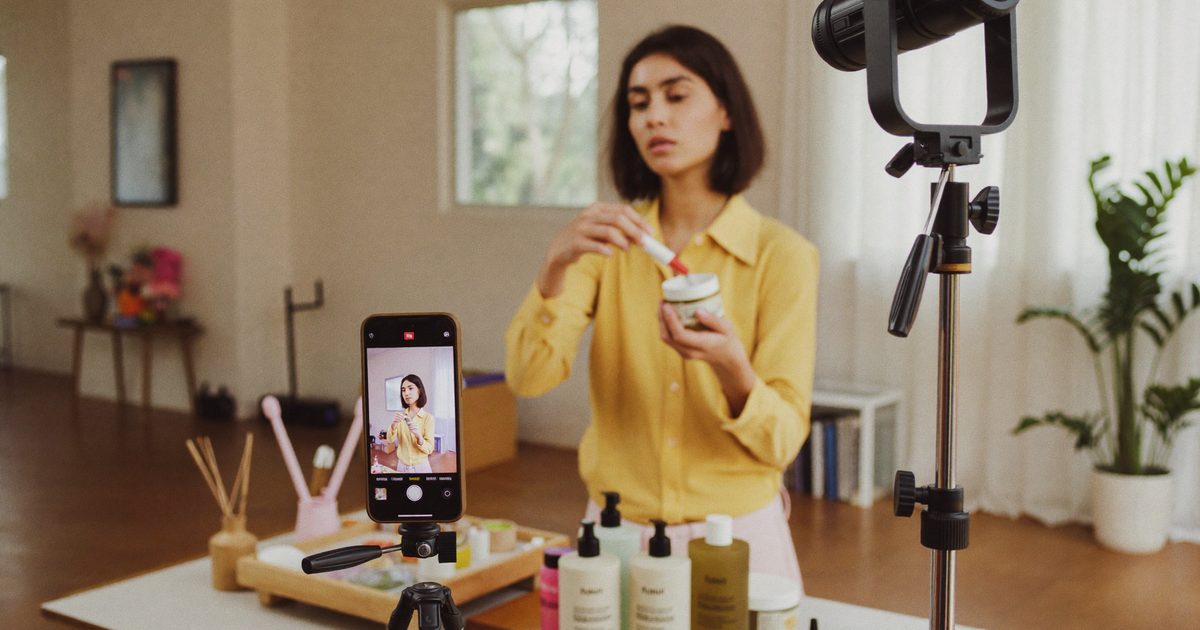
- Expert explainer + product cameo: A licensed professional (e.g., a Mumbai-based nutritionist on Instagram) explains a health mechanism in a 45–60 second Reel. The brand product appears in the final 8–10 seconds as a "what I personally use / recommend to clients" aside, not as the video's subject. Disclosure is still mandatory (ASCI requires #ad or #sponsored even for gifted products), but the format avoids the clinical-claim trap entirely because the creator never attributes a health outcome to the product.
- Unboxing + first-use ritual: For health devices (glucometers, pulse oximeters, BP monitors) and premium supplement brands, unboxing UGC drives strong performance at the consideration stage. Searches for "glucometer review India" and "[brand] blood pressure monitor review" on YouTube are dominated by creator content, not brand pages. A single well-produced UGC review from a credible micro-creator can rank for these terms and generate inbound traffic for 12–18 months at zero incremental cost.
Budget Benchmarks: What Healthcare UGC Costs in India
Pricing varies by creator tier, deliverable format, and exclusivity window. Here are realistic 2025 benchmarks for healthcare UGC in the Indian market:
- Micro-creator (10K–100K followers), one Instagram Reel + usage rights (30 days): Rs. 8,000–25,000. For healthcare, add ~15–20% for compliance review and script approval time built into the creator's schedule.
- Mid-tier creator (100K–500K followers), one YouTube Short + two Reels + 90-day usage rights: Rs. 45,000–1,10,000. This is the sweet spot for OTC brands running performance campaigns.
- Licensed professional (RD, physio, MBBS with 20K+ engaged following), one expert Reel + brand mention: Rs. 30,000–80,000, but the compliance overhead is lower because their professional credibility handles part of the trust-building work that would otherwise require additional creator volume.
- Full 30-day log series (5 posts, micro-creator, all rights): Rs. 35,000–60,000. The per-post cost is lower than individual commissions because the creator invests in a narrative arc, and the series format tends to generate organic reshares that an one-off post does not.
A useful rule of thumb: for healthcare UGC, budget 20–25% of your total creator spend on compliance review, script approval, and legal sign-off. Brands that skip this step typically spend 3–4x that amount fixing takedown fallout, re-editing content, or managing consumer complaints.
Measuring What Matters: KPIs Specific to Healthcare UGC
Standard UGC metrics, reach, CPM, CTR, are necessary but not sufficient for healthcare brands. The category has unique conversion pathways and regulatory risks that demand an expanded measurement framework.
- Saves-to-reach ratio: In health content, a save means the viewer intends to return to the information, which is a far stronger purchase signal than a like. Benchmark for strong health UGC: saves should be at least 2–3% of total reach. Below 1% suggests the content is triggering passive consumption, not intent.
- Comment sentiment ratio: Track the proportion of comments that are questions about the product versus sceptical pushback versus positive experience-sharing. A high question ratio (>40% of comments) indicates the content is generating consideration-stage engagement, which is the highest-value outcome for health products with 2–4 week purchase cycles.
- ASCI complaint rate: Any UGC campaign should be monitored through ASCI's online portal and the brand's own customer service inbox for escalations related to advertising claims. A complaint rate above 0.1% of impressions is a strong signal to audit your creator briefs.
- Return customer attribution: For subscription health products (monthly supplement boxes, app plans), track what proportion of first-time buyers acquired through UGC channels convert to a second purchase. Industry data from Indian nutraceutical brands in 2024 showed UGC-acquired customers had 28% higher 90-day retention than customers acquired through traditional display ads, because they entered the brand relationship with a pre-existing peer validation that display advertising cannot replicate.
Healthcare UGC done right is not just a content strategy, it is a trust infrastructure. If your brand is in OTC pharma, nutraceuticals, health-tech, or wellness and you want to build a compliant, performance-driven creator programme, get in touch with our team for a category-specific audit and production plan.