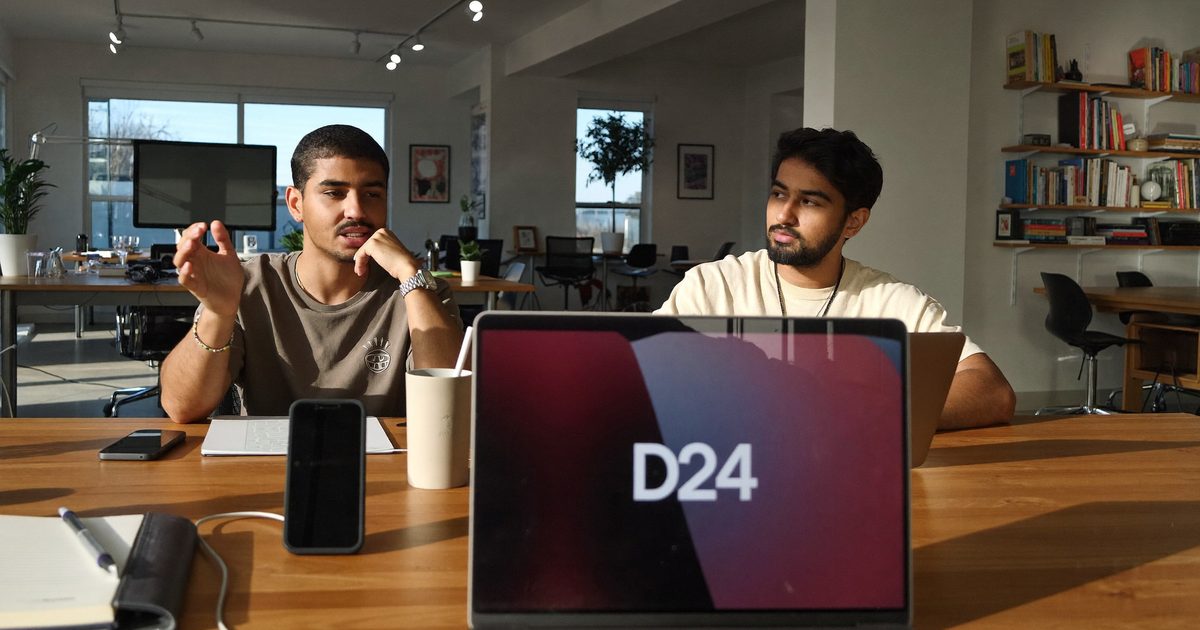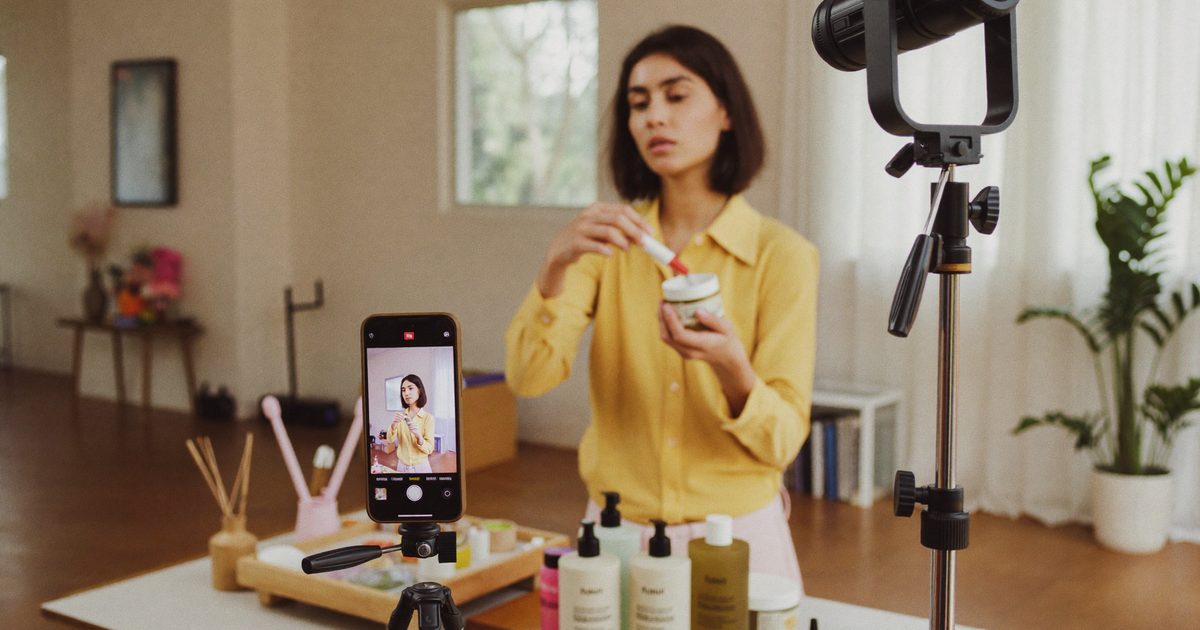
Most e-commerce brands in India come to UGC after a bad quarter, rising CAC, static ROAS, creative library looking stale. They brief a few creators, get some videos back, push them as ads, and wonder why nothing moves. The content was fine. The mistake happened much earlier, in the assumptions the brand brought to the brief.
UGC underperforms not because the format is wrong but because brands replicate the errors they made with polished brand content, miscast creators, vague briefs, wrong placement strategy, and a refusal to treat customer language as a creative input. Here is where most e-commerce brands get it wrong, and what to do instead.
Casting Based on Follower Count Instead of Purchase Intent
For a D2C skincare brand running ads in tier-1 metros, the instinct is to work with creators who have 100k+ followers and verified-looking profiles. The problem: follower count on Instagram or YouTube predicts reach, not relatability. A Bengaluru-based creator with 18,000 followers and genuine acne documentation content will consistently outperform a Mumbai lifestyle macro-influencer reading your script cold, especially in top-of-funnel and retargeting ads where the viewer is deciding whether to trust the product.
- Cast for context-fit first: A creator who already posts content in your product's category has an audience that is pre-qualified and a delivery style that feels native to the subject.
- Avoid vanity-follower inflation: India's creator economy has a well-documented problem with purchased followers, particularly in tier-cities across India. Check engagement rate (aim for 3-6% on Reels/Shorts) and look at comment quality, not just count.
- Size your creator pool by campaign goal: For conversion ads, micro-creators (10k-100k) almost always win. For awareness, mid-tier makes sense. Don't apply one creator tier across your whole funnel.
Giving Creators a Brand Script Instead of a Talking Brief
The most common brief we see when brands come to us is essentially a product fact-sheet with a call-to-action bolted on: "mention SPF 50, niacinamide, Rs.799, and tell them to use code SAVE10." That is not a brief, it is a spec sheet. Creators who follow it word-for-word produce something that looks and sounds like an ad, and audiences skip it in under two seconds.
What actually works is a talking brief: you hand the creator the brand's point of differentiation, the problem the product solves, and 2-3 customer-experience moments you want referenced. Then you let them translate it into their own vocabulary. A creator speaking to a Tamil-speaking audience in Chennai should not be delivering the same cadence as one creating content for a Hindi-speaking audience in Lucknow, but a rigid script forces exactly that homogeneity.
We brief creators on the insight, not the lines. The insight for a protein supplement might be: "Your target viewer has tried products that either taste bad or don't mix well, lead with that frustration before you show the solution." From that, a creator builds a hook that feels like it came from them, because it did.
- Include don'ts in your brief (claims to avoid, competitor mentions to skip) but keep the creative latitude wide.
- If you sell in multiple regional markets, brief in the local language where possible. A Kannada-language brief produces a more authentic Kannada video than an English brief that the creator then translates in their head.
- Under ASCI guidelines, creators must disclose paid partnerships clearly, brief them to include this disclosure naturally ("partnered with [Brand]") rather than hiding it in hashtags or end-of-caption text.
Using UGC Only in Feed Ads and Ignoring the Rest of the Funnel
A significant mistake e-commerce brands make is treating UGC as a top-of-funnel creative format only, something that goes into a Facebook/Instagram Reels ad and nowhere else. In practice, UGC earns its production cost several times over when it is repurposed deliberately.
- Product pages: Short creator video clips (15-30 seconds) embedded on Shopify or WooCommerce PDPs increase time-on-page and reduce return rates. Brands selling fashion or skincare, categories with high return rates in India, see measurable benefit.
- WhatsApp catalog and broadcast lists: A 30-second WhatsApp-optimised UGC clip (vertical, no music or licensed audio that won't play in-app, Hindi or regional-language voiceover) sent to opted-in broadcast lists performs far better than static product images in categories like food, personal care, and apparel.
- Email campaigns: Thumbnail + GIF from a UGC video in an email campaign outperforms static hero images for mid-funnel audiences who already browsed your site.
- YouTube pre-roll: Longer-form UGC (45-90 seconds) can be adapted for skippable YouTube pre-roll to reach audiences researching products on YouTube, a major pre-purchase behaviour in India for electronics, fitness equipment, and supplements.
If you produce ten UGC pieces a month and they each appear in one ad set and nowhere else, you are recovering maybe 20-30% of the value that content could generate.
Ignoring Vernacular Entirely or Doing It as an Afterthought
Brands headquartered in metros default to English-first or Hindi-first content, then treat Tamil, Telugu, Kannada, Bengali, and Marathi as secondary localisation tasks handled with dubbing or subtitles. Dubbing over a video where the creator's mouth movements don't match the audio is immediately noticeable and kills trust. Subtitling a Hindi video for a Tamil audience is better than nothing but still signals that the brand didn't actually invest in that market.
For e-commerce brands selling across India, vernacular UGC should be a primary deliverable, not a localisation workaround. The creator who shoots in Tamil and speaks naturally to a Chennai audience will outperform a dubbed version every time, and the cost difference between commissioning native-language content and dubbing post-production is smaller than most brands assume, especially at current creator rates in tier-2 markets.
- Identify your top 2-3 revenue states and commission original UGC in those languages, not just dubs.
- Brief regional creators on local cultural context, festivals, seasonal habits, local competitors, rather than giving them a nationalised brief.
- Meta's ad platform allows creative-level language targeting; use it to serve Tamil UGC to Tamil Nadu audiences and Marathi UGC to Maharashtra audiences rather than running a single mixed creative at all of India.
Treating Every UGC Video as a Final Asset Instead of a Testing Input
Brands often treat UGC production as a one-time creative refresh, a quarterly exercise to "get some new content", rather than as an ongoing testing programme. This mindset leads to over-investing in polished, expensive production and under-investing in systematic creative learning.
E-commerce brands with healthy UGC programmes do the following: they produce multiple short variations per product (different hooks, different creators, different problem framings), run them against each other in small-budget tests on Meta or Google Performance Max, and then scale only what wins. The hooks that perform best often reveal what the customer actually cares about, which is frequently different from what the brand thinks they care about.
- Minimum viable testing budget: Rs.3,000-5,000 per creative variant per test is enough to get directional signal in 4-5 days on Meta for most Indian e-commerce categories.
- Don't test everything at once: Isolate one variable per test, hook versus hook, creator A versus creator B, problem-led versus outcome-led, so you know what drove the result.
- Document learnings formally: The reason most brands repeat the same UGC mistakes quarter after quarter is that the knowledge from the last test lived in a Slack thread or a performance manager's head. Keep a shared creative learnings log.
Skipping Rights Management and ASCI Compliance
Two compliance areas catch Indian e-commerce brands off guard regularly. The first is usage rights: many brands source UGC from organic customer posts without formal permission, use it in paid ads, and then face creator complaints or takedown requests. Even "reposting with credit" is not a legal basis for commercial use. Any UGC that enters your ad account needs a written licence, even a short email trail confirming the creator grants you paid-media rights for a defined period.
The second is ASCI. The Advertising Standards Council of India's 2021 influencer guidelines require that paid partnerships be disclosed in every piece of sponsored content, on Instagram, YouTube, and any other platform. The disclosure must be upfront and in the same language as the post, not buried in hashtags at the end. Brands that brief creators to skip this or make it ambiguous face both regulatory exposure and trust damage if the content surfaces in a news cycle about undisclosed advertising. Brief your creators to treat ASCI disclosure as non-negotiable, not a nice-to-have.
- Use a simple one-page creator agreement that covers usage rights (paid media, duration, platforms), exclusivity if needed, and compliance obligations.
- For organic UGC repurposing (e.g. a customer review video you want to run as an ad), always DM the creator for explicit written permission before the video goes into an ad account.
- If a creator is promoting a product with health or financial outcomes, ASCI requires substantiation, make sure your brief doesn't ask creators to make claims the product cannot back up.
Getting UGC right for e-commerce is less about production quality and more about the systems around it, how you cast, brief, test, repurpose, and comply. If any of these areas feel disorganised in your current workflow, book a consultation with our team. We work with e-commerce brands across India to build UGC programmes that generate measurable outcomes, not just content volume.