Skincare is one of the most reviewed, discussed, and debated categories on Indian social media, yet most skincare brands running UGC campaigns are measuring the wrong things, briefing creators the wrong way, and pulling content too early. The result is ad spend that looks like it is working in the first two weeks and quietly bleeds money in weeks three through eight. This article breaks down the specific mistakes that erode ROI for skincare UGC in India, and how to fix them before the campaign goes live.
The stakes are real. A mid-sized D2C skincare brand in India typically spends between Rs.80,000 and Rs.2,00,000 on a UGC batch, creator fees, production, and whitelisting combined. Getting the fundamentals wrong at that budget level is not a learning experience; it is a quarter's margin gone.
Mistake 1: Treating UGC as Testimonials Instead of Education
Indian skincare buyers, especially in Tier cities across India like Bengaluru, Hyderabad, and Mumbai, arrive at your product page already primed with ingredient anxiety. They have read about niacinamide percentages, kojic acid concerns, and parabens. UGC that shows a creator saying "my skin glowed in seven days" is dismissed immediately as sponsored noise.
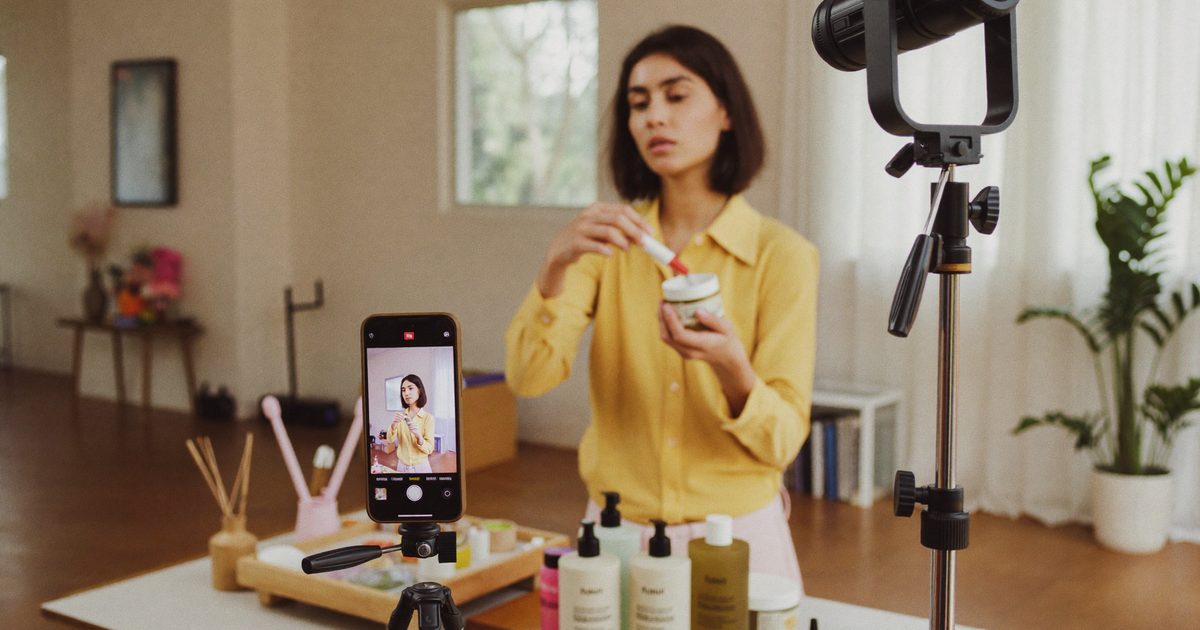
What converts is process content: a creator demonstrating the application technique for a face serum, walking through why they layer it under SPF, or showing what a purging breakout actually looks like versus a reaction. This kind of content signals authenticity because it requires real product knowledge.
- Brief creators to show one specific, verifiable claim per video, not five general benefits.
- For ASCI compliance, any "results in X days" claim must be qualified with typical results language or supported by a reference, brief your creators on this explicitly so the content does not get flagged on Meta.
- The highest-performing skincare UGC we see on Instagram Reels right now is the "my 3-step routine featuring [product]" format, it earns longer watch time and better thumb-stop rates than a straight review because viewers stay for the full routine context.
Mistake 2: Casting for Follower Count Instead of Skin Type Match
A micro-creator with 18,000 followers in Chennai, whose audience is primarily women aged 22–34 concerned about hyperpigmentation from sun exposure, will almost always outperform a lifestyle macro-creator with 200,000 followers whose skincare content is incidental. The conversion gap is significant, not because of some abstract "trust" metric, but because the audience alignment is concrete.
The right casting checklist for Indian skincare UGC:
- Skin concern fit: If your product targets dark spots, the creator should have documented their own hyperpigmentation journey, not just mentioned it once.
- Language match: A Tamil-language creator speaking to Tamil Nadu buyers produces meaningfully different conversion data than a Hindi-language creator speaking to the same geography. For brands selling across South India, vernacular creator mixes are not a nice-to-have; they are a ROI lever.
- Prior skincare content volume: A creator who has posted at least 8–10 skincare-specific Reels or Shorts in the last 90 days has an audience that trusts their skincare opinions. Someone posting skincare content once a month alongside travel and food content does not have that specialized audience trust.
- Engagement quality over rate: Look at whether comments reference the creator's specific skin story, not just emoji reactions. That signals the audience reads the content as personal rather than promotional.
Mistake 3: Writing Briefs That Produce Generic Output
This is the single most common source of wasted budget in UGC skincare campaigns. A brand sends a brief saying "create a 30–60 second Reel showing the product benefits and why you love it." The creator, not knowing what specific angle will work for the brand's audience, defaults to the same hook they use for every brand deal: unbox, smell, apply, smile.
A brief that produces usable content for a skincare UGC campaign should specify:
- The one insight the viewer should leave with, not a list of features. For example: "The viewer should understand that this SPF moisturiser does not leave a white cast on deeper skin tones."
- The hook format, a problem hook ("my oily skin used to oxidise every foundation by 11am"), a myth-bust hook ("everyone told me not to use oil if I have acne"), or a results-reveal hook with a defined before/after window.
- What NOT to say, if the product has not been dermatologically tested for claims like "repairs skin barrier", brief creators to avoid that exact phrase. ASCI has increased enforcement on unsubstantiated dermatological claims in digital ads, and Meta's ad review will flag them too.
- B-roll requirements, skincare UGC with close-up skin texture footage (clean, well-lit) consistently outperforms content shot entirely in talking-head format. Specify the shots you need: dropper application, morning light close-up, pre/post texture comparison.
Mistake 4: Pulling Winning Creatives Too Early
Skincare has a longer purchase consideration cycle than, say, a snack or a fashion impulse buy. A buyer researching a vitamin C serum or a retinol product in India is often reading reviews, consulting their dermatologist, and comparing three or four options over two to four weeks. UGC content that is performing steadily, not spiking, just maintaining cost-per-click and a reasonable thumb-stop rate, is often hitting buyers in that extended consideration window.
The mistake is treating a stable creative like a declining one. Brands pull assets that are at Rs.12–15 CPC on Meta within three weeks because they look "tired" in the dashboard, and replace them with a new batch. But the "tired" creative is often still converting first-time viewers. A useful rule: do not retire a skincare UGC creative unless its CPC has increased by more than 40% from its best 7-day window and its reach has plateaued. Longevity in skincare UGC is a ROI driver, not a signal of creative laziness.
Mistake 5: Ignoring Vernacular and Regional Platform Behaviour
Brands based in Delhi or Mumbai often brief and cast entirely in Hindi and English, then wonder why their Meta CPMs are high and their YouTube Shorts retention is low. The Indian skincare market has significant purchase intent coming from Tamil Nadu, Andhra Pradesh, Maharashtra's smaller cities, and West Bengal, audiences that respond far better to vernacular content even when they can understand English.
A brand running a niacinamide serum campaign saw cost-per-purchase on Meta drop from Rs.340 to Rs.195 when they added two Tamil-language creator videos to the ad set, same product, same audience targeting, just language-matched creative.
Practical steps:
- For YouTube Shorts specifically, Hindi and regional language content receives stronger algorithmic distribution in relevant state-level audiences than English content does.
- On Instagram, caption language affects reach less than audio language, brief creators to speak in the language their existing audience engages in, not in English because "it sounds more premium."
- For brands selling through quick commerce platforms like Blinkit or Zepto, UGC campaigns that drive search volume in regional terms (Tamil keyword for "SPF moisturiser", for example) produce measurable lift in organic search-driven orders in those geographies.
Mistake 6: Measuring UGC ROI Only Against Last-Click Conversions
Last-click attribution kills skincare UGC budgets. Because the category has a longer consideration cycle, UGC on Reels or Shorts is rarely the final click, it is usually the first or second touch. A buyer sees the creator video, saves it, searches the brand name two weeks later, and converts via a Google Shopping ad. The UGC gets zero credit in a last-click model.
A more honest measurement framework for Indian skincare brands:
- Run a Meta Conversions campaign with a 7-day click, 1-day view attribution window and compare cohort purchase rates in weeks the UGC is live versus weeks it is off.
- Track branded search volume (Google Search Console) during UGC campaign periods, a 15–25% uplift in branded queries during a live UGC push is common and represents real consideration value that last-click models miss.
- For brands on Nykaa or Amazon India, monitor organic review velocity during creator campaign periods. UGC-driven awareness often produces a secondary effect: buyers who discover via creator content leave more detailed, ingredient-specific reviews, which in turn improve the product listing's conversion rate for the next quarter.
- Set a blended CAC target that accounts for the full consideration window, typically 21–28 days for a Rs.400–Rs.1,200 skincare product in India, rather than optimising for 7-day ROAS alone.
If your skincare brand is losing money on UGC despite strong creator content, the fix is usually in the brief, the casting, or the measurement model, not in producing more volume. We work with skincare brands across India to diagnose exactly where the ROI gap is coming from and structure campaigns that hold up over the full consideration cycle. See how we approach this on our work page, or reach out if you want a campaign review.