Most fashion brands running UGC campaigns in India measure one thing: reach. They brief a creator, post the video, watch views climb, and declare victory, then quietly wonder why sales haven't moved. The mistake isn't running UGC. It's misunderstanding what UGC actually does to ROI and then measuring the wrong thing entirely.
This article is specifically about those missteps. Not the obvious ones (low creator quality, bad lighting) but the strategic errors that eat budgets and produce content that looks active but performs poorly. Fashion is one of the highest-volume UGC categories in India right now, Myntra, Nykaa Fashion, Ajio, and hundreds of D2C ethnic and streetwear labels are all competing for the same creator slots, so the cost of getting this wrong compounds fast.
Mistake 1: Treating UGC as a PR Activity, Not a Performance Asset
The single most expensive error we see fashion brands make is commissioning UGC and then parking it on their Instagram grid. That is brand content strategy, not UGC strategy. The ROI lever in UGC comes from deploying creator videos as paid ad creatives, running them through Meta Ads or Google Performance Max with proper whitelisting or dark post permissions.
A creator's video shown as a paid Meta ad through her own handle (whitelisted) consistently outperforms the same video posted from the brand handle. Audience trust is different. Comment sections behave differently. Soft-rejection from ad fatigue is lower. When we brief creators for fashion clients, we structure the deliverable as "1 reel for organic post + raw cut for ads" from the outset, not as an afterthought.
- What to fix: Before commissioning any UGC, define whether the video will run as a whitelisted ad, a dark post, or organic-only. Budget and brief structure change completely depending on the answer.
- The cost of not fixing it: You pay Rs.8,000–15,000 per creator video and then distribute it through a 2,000-follower brand account. You have essentially paid creator-rate for a social post that could have been a brand shoot at lower cost per view.
Mistake 2: Obsessing Over Creator Follower Count in Fashion
Fashion is extremely susceptible to follower-count bias. Brand managers want names, "a creator with 200K followers in the lifestyle space", when the data consistently shows that nano creators (5,000–30,000 followers) in specific fashion niches drive significantly higher click-to-purchase rates on Meta. The reason is targeting precision: a 12,000-follower creator whose entire audience is mid-range ethnic wear buyers in Tier cities across India like Pune and Ahmedabad is a far more reliable conversion signal than a 250,000-follower fashion influencer whose audience spans students, international followers, and aspirational non-buyers.
The ROI calculation changes dramatically. At Rs.5,000–8,000 per nano creator versus Rs.40,000–80,000+ for a macro influencer, you can run 8–10 creative variants, test hooks, identify which style frame (try-on haul vs. outfit-styling vs. unboxing review) performs best in your category, and then scale the winner. One macro video gives you one data point.
- What to fix: Define creator selection criteria by audience composition, not vanity follower count. Ask creators for a screenshot of their follower demographics, city breakdown, age split, before contracting.
- ASCI note: Under the ASCI guidelines on influencer disclosures (updated 2021 and actively enforced in 2024–25), all paid fashion collaborations require a visible #ad or #sponsored disclosure in the caption, not buried in hashtag stacks. We brief creators to place this in the first line. Non-compliance creates legal exposure for the brand, not just the creator.
Mistake 3: Briefing for Aesthetics Instead of for Conversion
Fashion brands have a reflex to control aesthetics. The brief becomes a mood board: "soft lighting, neutral background, OOTD style, no visible logo except ours." What gets produced looks beautiful and performs like a brand film, which is to say, it generates saves and shares but rarely clicks and purchases.
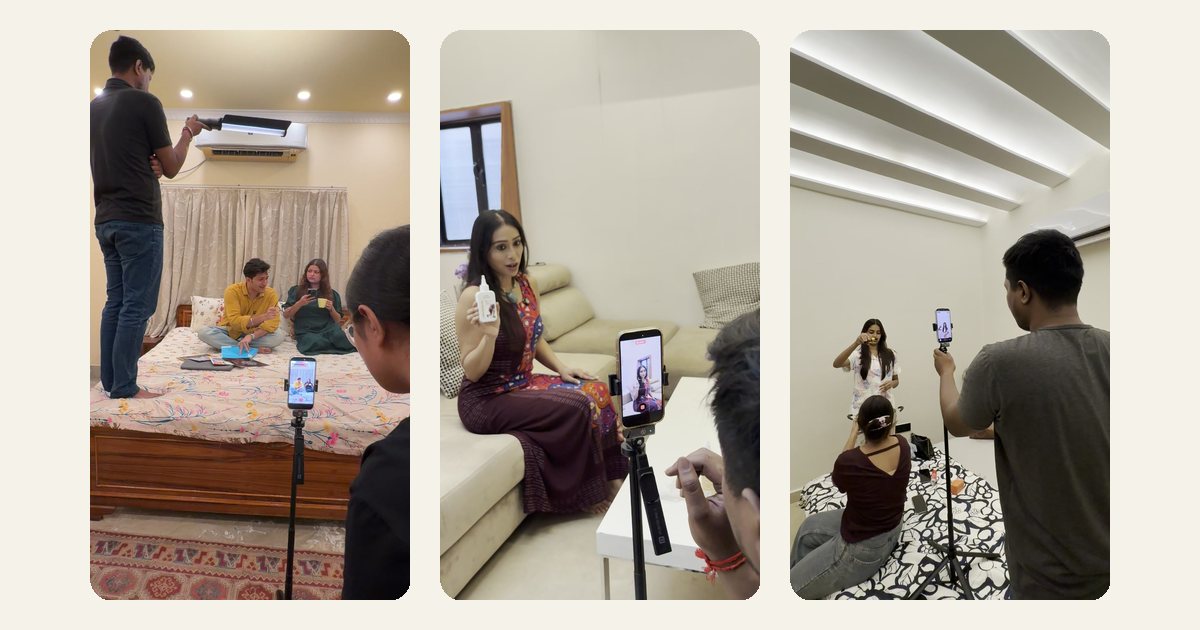
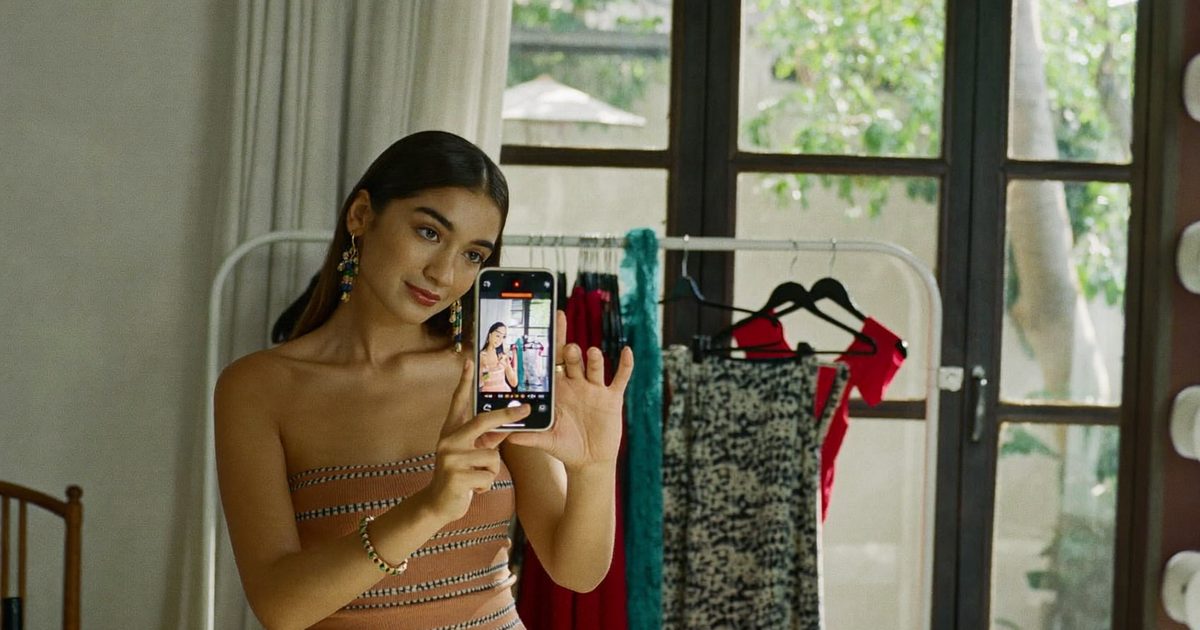
UGC for fashion converts when it looks like content the creator would have posted anyway. That means slightly imperfect lighting is fine. That means the creator talking directly to camera in a cramped Bengaluru apartment saying "I was skeptical of buying ethnic wear online but this fit was exactly true to size" outperforms a choreographed try-on against a white wall. The conversion trigger is specificity and believability, not production value.
The brief that produces converting UGC tells the creator the problem the product solves, the one audience objection to address, and the call to action. It does not specify the aesthetic. If you are specifying the aesthetic, you are making a brand film, not UGC.
- What to fix: Restructure your creative brief. Lead with the customer problem (e.g., "finding kurtas that don't shrink after washing") and the objection to bust (e.g., "sizing is inconsistent online"). Let the creator solve for the aesthetic.
- What to keep: Product positioning, key claim (keep it ASCI-compliant, no "best in India" without substantiation), desired call to action, and any mandatory disclosures.
Mistake 4: Not Tracking Attribution Correctly for Fashion UGC
Fashion brands often report UGC ROI based on post engagement, likes, views, saves. None of those are revenue. The actual measurement framework needs to connect creator content to purchases, and in the Indian e-commerce context that requires a bit more deliberate setup than most teams bother with.
Specific tools and tactics that work in the Indian fashion context:
- UTM-tagged creator links in bio or link-in-bio tools (Linktree, Beacons) that route to your Shopify/WooCommerce or Myntra seller page. Each creator gets a unique UTM so you can isolate their traffic in GA4.
- Creator-specific discount codes (e.g., RIYA10) posted in caption. This is now standard on Myntra Influencer programs and works well on D2C sites. It creates a hard attribution line from creator to sale.
- Meta Ads conversion tracking, if you are running creator content as a dark post or whitelisted ad, the Meta pixel gives you purchase-event data directly tied to that ad creative. This is the cleanest ROI signal available. A Rs.15,000 UGC video that drives Rs.90,000 in attributed Meta Ads purchases in 30 days is a 6x return, measurable, not estimated.
- Post-purchase survey, a simple "How did you hear about us?" on your order confirmation page or via a WhatsApp post-purchase message. In India where last-click attribution undercounts social discovery heavily (because many buyers see a Reel, then go to Flipkart or the brand site directly), survey data fills the gap.
Mistake 5: Running UGC as a One-Off Campaign Instead of a Content Engine
Fashion is seasonal by nature, festive, wedding, summer, back-to-college. The temptation is to commission a batch of UGC for Diwali, then repeat the process in January for Republic Day sales, with no continuity between them. Each cycle starts from scratch: new creator outreach, fresh briefing, new approval rounds. This is expensive and it kills compound learning.
Brands that get strong UGC ROI typically have a standing creator roster of 6–12 nano and micro creators who understand the brand voice, have delivered compliant content before, and can be reactivated quickly for each season. Onboarding cost is near zero. Brief turnaround is faster. The creators have often already bought into the brand genuinely, which shows in the content.
In the fashion category specifically, repeat creator relationships also help with a practical problem: size and fit accuracy. A creator who has previously worn a brand's kurtas or dresses has real, lived experience with the sizing, and that authenticity comes through in UGC in a way that no amount of briefing can replicate for a first-time creator.
- What to fix: After each UGC campaign, identify the top 3–4 creators by conversion performance (UTM data, discount code redemptions) and offer them a retainer or seasonal exclusivity. Budget Rs.30,000–50,000 per season for this retained roster before commissioning any new creators.
Mistake 6: Ignoring Regional Language and Vernacular Content
This is the most under-addressed gap in Indian fashion UGC. The market for mid-range and affordable fashion in India is growing fastest in Tier 2 and Tier cities across India, Surat, Coimbatore, Indore, Patna, Nagpur, where a significant portion of potential buyers consume content in Tamil, Telugu, Bengali, Marathi, or Hindi, and where an English-speaking creator from Mumbai does almost nothing for brand trust or conversion.
A single Hindi or Tamil-language UGC video from a micro creator in the relevant market often outperforms five English-language reels in those geographies, at a lower creator cost. The CPM on Meta for vernacular audiences in Tier cities across India is also substantially lower than Tier 1 English-language targeting, which improves paid distribution economics significantly.
- What to fix: Map your actual customer geography from your orders data or Google Analytics. If 30% of your purchases come from Tamil Nadu, you need Tamil-language UGC creators in your roster. Brief them the same way, problem, objection, CTA, but let language and style be fully native.
- Practical step: Platforms like Plixxo, Winkl, and even direct Instagram search with regional hashtags (#tamilfashion, #marathistyle) surface vernacular fashion creators. Many nano creators in these language communities have exceptional audience trust and charge Rs.3,000–7,000 per video.
If you are a fashion brand reviewing these mistakes and recognising two or three of them in your current workflow, the fix is usually structural, not a bigger UGC budget, but a clearer UGC strategy. We work with fashion brands at The UGC Agency to build that from the ground up: creator selection, brief architecture, attribution setup, and paid amplification, all designed to make the ROI measurable within the first campaign cycle.