Wellness is one of the hardest categories to advertise credibly. A brand selling yoga mats or ashwagandha supplements can spend lakhs on a polished TVC and still watch buyers scroll past it, because nobody believes a studio-lit model telling them a product "changed her life." What actually moves product in wellness is a real person's real story: the 34-year-old from Pune who finally slept through the night, the gym-goer from Chennai who stopped getting afternoon energy crashes, the new mother in Delhi who found a postpartum supplement that worked. That's user-generated content, and if you're just starting out in wellness marketing, this guide will show you exactly how to build a UGC strategy from scratch.
We'll walk through everything: what counts as UGC, why it matters specifically for health and wellness brands in India, how to find and brief creators, what formats work on which platforms, how to stay compliant with ASCI rules (non-negotiable in this category), and what a basic UGC budget looks like in INR. No jargon, no assumptions of prior knowledge.
What UGC Actually Means for a Wellness Brand
UGC, user-generated content, simply means content made by real people about your product, rather than by your own marketing team. For wellness, this breaks down into a few distinct types:
- Organic UGC: A customer spontaneously posts an Instagram Story about your protein powder after a workout. You didn't ask, you didn't pay. This is gold, but you can't rely on it at scale.
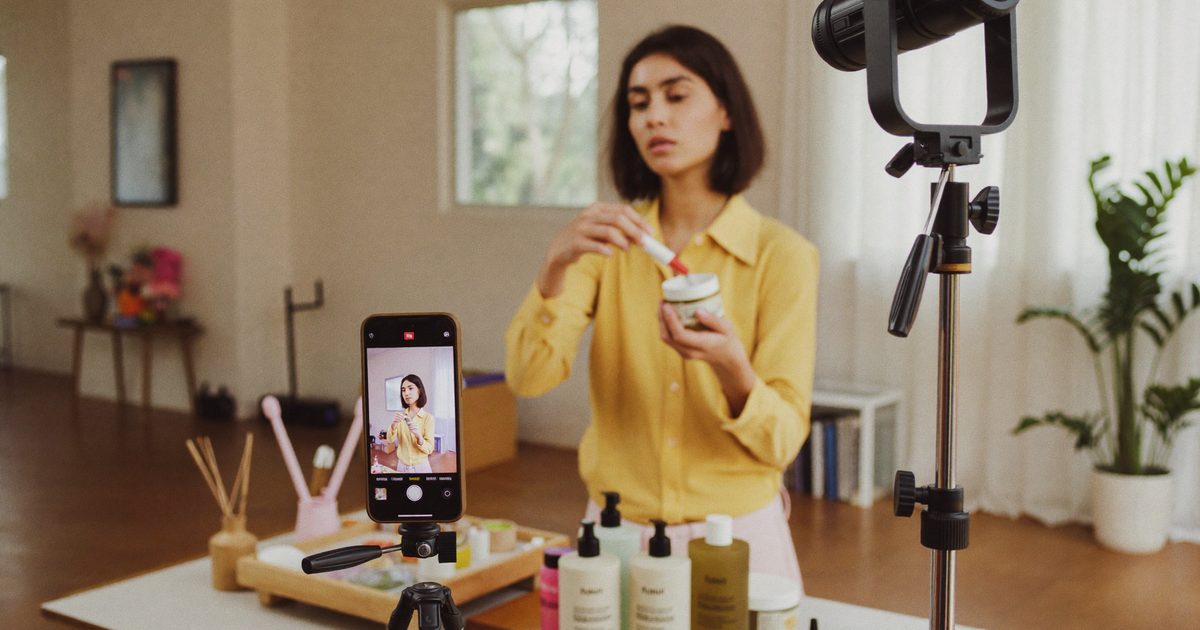
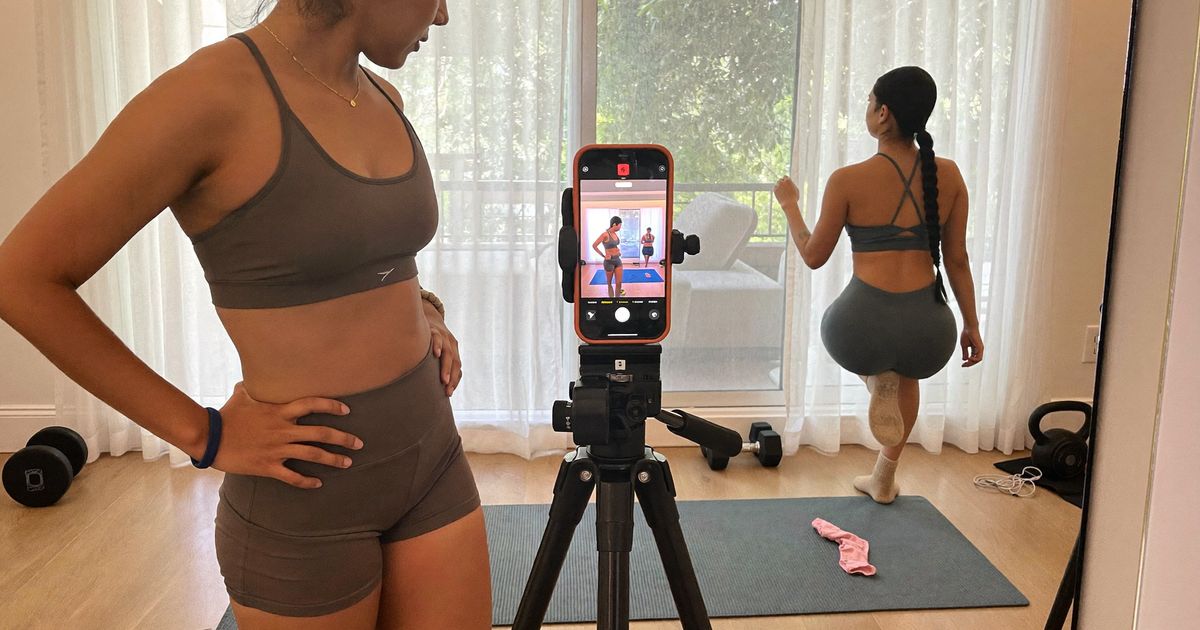
- Creator-led UGC: You hire or partner with real people, not necessarily influencers with large followings, to create first-person video testimonials, routines, and reviews. They film in their own homes, in their own style, in their own language. This is what most performance-focused wellness brands now budget for deliberately.
- Community UGC: Reviews on e-commerce listings (Amazon, Nykaa, Flipkart Health+), comments and tagged posts on brand social pages, and WhatsApp testimonials that customers forward voluntarily.
For the purposes of this guide, we're focusing mainly on creator-led UGC video, it's the most controllable, most scalable, and most effective format for paid and organic distribution.
Why Wellness Buyers in India Respond to UGC Differently
Buying a wellness product in India involves several layers of skepticism that don't apply to, say, buying a phone case. There are concerns about authenticity of ingredients, whether claims are exaggerated, whether something is culturally appropriate for Indian bodies and lifestyles, and, especially in Tier 2 and Tier cities across India, whether this is just another Western trend that won't actually work here.
A first-person video filmed by someone who looks and sounds like your buyer addresses most of these concerns in 30 seconds in a way no brand ad can. When the creator speaks in Hindi or Telugu, mentions their specific routine (like taking the supplement with warm water before roti in the morning), and shares their experience without reading from a script, the trust transfer is immediate.
Regional language UGC deserves particular emphasis. A Kannada-language video about a sleep supplement will outperform the same English version among buyers in Bengaluru who are comfortable in Kannada, not because the English version is bad, but because the Kannada version signals "this is for me." We brief creators to narrate in whichever language they naturally speak at home, not the language they use for professional email.
How to Find the Right Creators for Wellness UGC
The biggest mistake wellness brands make when starting out is assuming they need macro-influencers with 100K+ followers. For UGC ads and testimonials, follower count is largely irrelevant. You want credibility and relatability, not reach, because you'll be boosting the content through your own paid channels.
Here's where to find suitable creators:
- Niche micro-communities: Facebook groups like "Ayurveda India" or "PCOS Diet Support India" are full of genuine wellness enthusiasts who have personal stories worth telling. Many are happy to create content for product + a modest fee.
- Instagram hashtag search: Search #morningroutineindia, #ayurvedalifestyle, #fitnessindia, look at who is posting consistently and authentically, with real engagement in the comments.
- Existing customers: Your own purchasers are your warmest pool. A simple post-delivery WhatsApp or email asking "Would you like to share your experience on video for a discount on your next order?" can yield 5–15 genuine creators per month once you've established a process.
- Creator platforms: Winkl, Plixxo, and Qoruz all have searchable Indian creator databases with category filters. For wellness UGC specifically, filter for lifestyle, health, and fitness micro-creators (5K–50K followers) rather than going for the biggest names.
Budget expectation at this stage: a 60-second UGC video from a micro-creator in India typically costs between Rs. 2,000 and Rs. 8,000 depending on their following, niche, and the usage rights you need. For a paid ads brief with full usage rights and no posting obligation on their channel, Rs. 3,000–6,000 per creator is a reasonable starting range.
How to Brief Wellness Creators Without Getting Generic Content
A vague brief produces a vague video. The creator will say something like "This product is amazing, it really helped me, I highly recommend it", which sounds exactly like every other paid testimonial and convinces nobody.
A strong UGC brief for wellness includes:
- The specific problem to anchor the video on. Instead of "talk about our sleep supplement," say: "Open by describing what your nights were like before, how long it took to fall asleep, how you felt in the morning."
- A usage detail. "Show yourself taking the product, we want viewers to understand it's one capsule with warm water at night, not a complicated routine."
- A real outcome, not a health claim. This is critical (see compliance section below). "You can say 'I feel more rested in the mornings', you cannot say 'it cured my insomnia.'"
- The hook line. Give them 2–3 options for an opening sentence that names the problem immediately. Example: "If you've ever spent two hours staring at the ceiling, I've been there." Let them pick the one that feels natural to them.
- The desired length and format. For Instagram Reels and Meta ads: 30–60 seconds, vertical (9:16), no heavy editing needed, natural lighting and their phone camera is fine.
ASCI Compliance: What Wellness Brands Cannot Say in UGC
This section is important enough that it deserves to come before you film anything. The Advertising Standards Council of India (ASCI) has specific guidelines for health and wellness advertising, and they apply to paid UGC ads just as much as to traditional media.
Key rules every wellness marketer needs to know:
- No misleading health claims. A creator cannot say a supplement "cures," "treats," or "reverses" any medical condition. Words like "clinically proven" require actual clinical evidence filed with ASCI on request.
- Paid partnerships must be disclosed. If a creator is being compensated (money, product, discount), the content must be labelled. On Instagram, this means the "Paid partnership" tag or a clear #ad or #sponsored in the caption. This is now actively enforced.
- Testimonials must reflect genuine experience. You cannot instruct a creator to claim a result they didn't actually experience. This means you should only brief creators who have actually used, or will use, the product before filming.
- Dietary supplements cannot claim to treat diseases. An ashwagandha brand can say "supports stress management" but not "reduces cortisol levels by 28% in clinical trials" unless that specific trial data has been properly substantiated.
The safest framing for wellness UGC: focus on experience and routine, not outcomes. "I've been taking this for 3 weeks and my mornings feel different" is both honest and compliant. "This fixed my vitamin D deficiency" is a health claim that will get your ad flagged.
Which Platforms and Formats Work Best for Wellness UGC in India
You don't need to be everywhere at once. Here's how to prioritise based on where Indian wellness buyers actually spend time:
- Instagram Reels (organic + paid): The primary platform for wellness UGC in India right now. Short-form video from real people performs well both organically (especially with regional-language audio) and as boosted ads. A creator's Reel can be whitelisted through their account so the ad appears to come from them, this consistently outperforms the same creative run from a brand account.
- Meta (Facebook + Instagram) Ads: The main paid channel for most wellness D2C brands in India. UGC-style video, talking head, natural background, no polished production, routinely outperforms brand-produced creative in Meta's own studies. Start with 3–5 UGC videos and let the algorithm identify the winner before scaling spend.
- YouTube Shorts: Growing fast, especially for Hindi and regional-language content. A 45-second "honest review" style video from a real user works well here. Buying intent among YouTube audiences in Tier cities across India is underestimated by many wellness brands.
- Nykaa, Amazon, Flipkart listings: Don't overlook UGC in the form of photo and video reviews on e-commerce pages. A 30-second "unboxing + first impression" video pinned to your Nykaa listing can directly lift conversion rate on that page. Encourage buyers to submit these via post-purchase WhatsApp messages with a simple incentive (Rs. 50–100 coupon).
Building a Simple UGC Workflow for a First-Time Wellness Brand
If you're starting from zero, here's a practical month-one plan that doesn't require a large team or agency budget:
- Week 1: Identify 5–8 creators from your existing customer base or through Instagram hashtag research. Send product (if they haven't bought) along with a written brief. Budget: product cost + Rs. 15,000–30,000 for creator fees.
- Week 2–3: Collect videos, review against brief and ASCI guidelines, request one revision if needed. Download raw files, you will edit these yourself or use a basic editor like CapCut to trim, add subtitles (critical: 70% of Indian mobile video is watched on mute), and test different hooks by cutting at different points.
- Week 4: Launch 3 versions as Meta ad creatives with a modest test budget (Rs. 500–1,000/day per ad set). Track thumb-stop rate and cost per click in the first 48 hours. Kill the underperformers, put budget behind what holds attention.
- Month 2 onward: Replenish with 3–4 new UGC videos per month. Fresh creative prevents ad fatigue far more cheaply than producing polished brand videos.
The total outlay for month one, creators, light editing, and a test ad budget, is typically between Rs. 40,000 and Rs. 75,000. That's well within reach for a bootstrapped D2C wellness brand, and it gives you real performance data rather than assumptions.
If you'd like help building a creator brief, reviewing your ASCI compliance posture, or producing your first batch of UGC videos at scale, the team at The UGC Agency works specifically with health and wellness brands across India. Take a look at our pricing plans or reach out for a quick conversation about where to start.