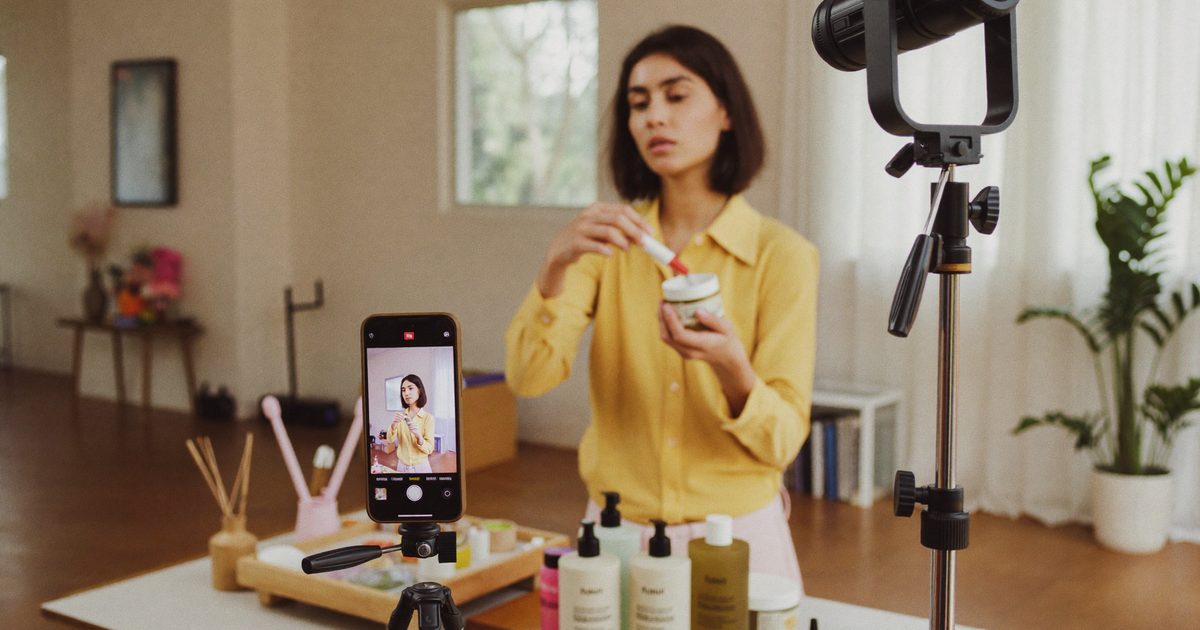
Luxury and user-generated content sound like an odd pairing at first. Premium brands spend years crafting immaculate visual identities, careful lighting, aspirational imagery, controlled messaging. Then someone suggests putting a real customer in front of a phone camera and posting it on Instagram. The instinct to refuse is understandable. But the instinct is wrong, and this guide will show you exactly why, and how to do it without diluting what makes a luxury brand premium.
This is a beginner's guide written for marketing teams at luxury fashion houses, fine jewellery brands, premium skincare labels, luxury real estate developers, and high-end D2C brands operating in India. You do not need any prior knowledge of UGC. By the end, you will understand what UGC actually means in a luxury context, how to brief creators without compromising brand standards, what platforms and formats work in India right now, and how to measure whether it is working.
What UGC Means for a Luxury Brand, and What It Does Not Mean
User-generated content (UGC) is video or photo content created by real people, customers, enthusiasts, or paid creators working in an authentic, unpolished style, rather than by a production house with studio lighting and agency scripts. The word "unpolished" is what makes luxury marketers nervous, so let us address it directly.
UGC for luxury does not mean shaky phone footage, warehouse-store aesthetics, or discount voucher callouts. It means content that feels personal and credible rather than corporate and staged. A woman in her Mumbai apartment doing a slow-motion unboxing of a Sabyasachi sari, speaking in a natural mix of Hindi and English, is UGC. A jewellery enthusiast in Bengaluru doing a 60-second reel comparing how a Tanishq piece catches light indoors versus outdoors, that is UGC. The production quality can still be beautiful; what changes is the voice and the perspective.
- What UGC replaces: generic brand videos that say "craftsmanship" and "heritage" without showing either
- What UGC adds: specific, believable, first-person proof that real people own and love the product
- What UGC does not replace: your campaign photography, your brand films, your editorial content
Think of UGC as a separate layer in your content mix, one that builds trust and drives consideration in people who have never heard of your brand, or who have heard of it but are not yet convinced to spend Rs. 15,000 or Rs. 1,50,000 on a single purchase.
Why Luxury Buyers in India Respond to Authentic Content
India's luxury market is growing in cities well beyond Mumbai and Delhi. Hyderabad, Pune, Ahmedabad, Bengaluru, and Surat now have significant concentrations of high-net-worth buyers under 40, many of them first-generation wealth who did not grow up consuming luxury. This cohort is highly research-oriented. Before buying a Rs. 80,000 silk saree or a Rs. 3,00,000 watch, they will spend time on Instagram, YouTube, and Reddit looking for content from people who already own the product.
What they are looking for is not an advertisement. They are looking for someone whose life resembles theirs, holding the product, explaining why it was worth it. That is exactly what well-produced UGC delivers. A polished brand TVC reassures them that the brand is real and legitimate; UGC reassures them that other people like them made this decision and do not regret it. Both are necessary. Luxury brands that run only brand films leave a large gap in the purchase journey.
Building a Brief That Protects Brand Standards
The single biggest mistake luxury brands make with UGC is briefing creators the same way a Rs. 499 skincare brand would. The brief is where brand standards are protected or lost. A strong luxury UGC brief covers six things:
- Tone and vocabulary: List specific words that are on-brand ("timeless", "considered", "crafted") and words that are off-brand ("affordable", "budget-friendly", "steal of a deal"). This sounds obvious; it rarely gets written down.
- Visual environment: Specify backgrounds and settings. Natural light in a clean, uncluttered space is almost always appropriate. A cluttered bedroom or a fast-food backdrop is not. If your product is a premium home fragrance, the space around it matters as much as the product itself.
- Pacing and editing style: Luxury UGC should breathe. Fast-cut trending edits with jump cuts every half-second work for mass-market snacks; they undermine a Rs. 25,000 perfume. Brief creators to hold shots for three to five seconds, use minimal text overlays, and choose background music carefully.
- Disclosure compliance: Under ASCI (Advertising Standards Council of India) guidelines, any paid or gifted relationship must be disclosed clearly at the start of the content using labels such as "Ad", "Paid Partnership", or "Sponsored". This is non-negotiable. We brief every creator to place the disclosure label in the first three seconds, not buried, not in tiny text at the end.
- Product handling: Specify exactly how the product should be handled and shown. For jewellery, close-up detail shots of clasps and stone settings signal craft. For fashion, show the drape or the fabric texture. Never leave this to a creator's instinct.
- What to avoid: Explicitly state off-limits topics, do not compare to competitors, do not mention pricing unless the brand approves specific language, do not use trending audio that conflicts with brand identity.
Platforms and Formats That Work in India Right Now
For luxury UGC in India, three platforms deserve priority attention:
- Instagram Reels (60–90 seconds): The dominant discovery channel for luxury buyers aged 25–45. Works best when the creator shows the product in context, wearing the jewellery to an event, using the skincare product in a morning routine, walking through a luxury apartment show-flat. Keep the hook in the first two seconds; luxury audiences will watch longer once hooked, but they will scroll past a slow opener like anyone else.
- YouTube Shorts and long-form reviews: High-intent buyers research on YouTube. A 4-minute creator review comparing the texture and longevity of a premium kajal against drugstore alternatives will rank in YouTube search and convert browsers into buyers. In our production work, we find that luxury UGC on YouTube generates longer watch times and stronger comment engagement than most other categories.
- Instagram Stories and Highlights: Useful for showing real-world use, a creator wearing a piece across a full day, or a before/after skincare routine. Stories disappear after 24 hours, but saved Highlights become evergreen social proof on a creator's profile page.
A note on language: Hindi-English (Hinglish) narration consistently outperforms pure English for mid-to-premium luxury segments outside of the very top tier. For ultra-premium brands targeting UHNWI buyers, a clean, confident English narration still performs well, but even here, a warm, conversational register outperforms scripted formal English.
Choosing the Right Creators, Not Just the Most Followed
Follower count is the least useful metric when selecting creators for luxury UGC. What matters is audience quality, aesthetic alignment, and category credibility.
- Micro-creators (10,000–100,000 followers) with a clearly defined luxury or lifestyle niche almost always outperform mega-influencers for luxury brands. A Mumbai-based jewellery enthusiast with 40,000 followers whose audience is genuinely interested in fine jewellery will generate better intent-to-purchase than a celebrity with 5 million followers whose audience spans every demographic.
- Category credibility matters: A creator who regularly posts about premium skincare, fashion, or interiors has an audience already in the consideration mindset. A creator whose primary content is travel vlogs is a worse fit for a fine jewellery brand, even if their following is larger.
- Aesthetic fit: Scroll a creator's last 20 posts before briefing them. If the visual style, colour palette, and production quality are consistent with your brand's visual identity, the UGC will feel native rather than jarring.
We brief creators to think of themselves not as advertisers but as curators, they are showing their audience something they genuinely find beautiful or useful, and the brand happens to be the thing they are sharing. That framing produces significantly more credible content than asking them to "promote" something.
Measuring Success: Metrics That Matter for Luxury UGC
Luxury brands should resist the temptation to judge UGC purely by reach or viral performance. The relevant metrics are different:
- Save rate on Instagram: Saves indicate that a viewer found the content genuinely useful or aspirational enough to return to. A luxury product reel with a high save rate is working as a consideration asset, even if likes are modest.
- Comment quality: Read the comments. Are people asking where to buy? Tagging friends? Sharing personal stories about the product category? High-quality comment engagement is a stronger signal for a luxury brand than raw comment volume.
- Profile visit rate: UGC that drives viewers to visit the creator's profile (and from there to the brand's tagged page) signals genuine brand curiosity, not passive consumption.
- Conversion attribution: For D2C luxury brands with direct e-commerce, use UTM links in creator bio links or Instagram Shopping tags to track which UGC pieces actually drive website visits and purchases. Even a Rs. 5,000 investment in a micro-creator piece can be directly attributed if tracking is set up correctly.
- Organic resharing by the brand: The best luxury UGC doubles as owned content. When a creator delivers something that genuinely reflects the brand's visual identity, resharing it on the brand's own feed and Stories extends the content's value without additional production spend.
Getting Started: A Practical First Step
If you have never run a UGC campaign for a luxury brand, start small and controlled. Select one product, ideally a hero SKU with strong visual properties, such as a signature piece of jewellery, a premium candle with distinctive packaging, or a textured fabric product. Identify two or three micro-creators in your city whose aesthetic genuinely matches your brand. Gift the product with a detailed brief (covering all six points listed above). Review the content before it is posted, not to over-direct it, but to confirm disclosure compliance and brand-basic standards are met. Measure save rate, comment quality, and any attributable traffic over four weeks.
That single controlled test will teach you more about what luxury UGC can do for your specific brand than any amount of theoretical research. Most brands that try it once, properly, build it into their permanent content calendar within two campaigns.
If you are ready to move beyond theory and build a UGC content programme that genuinely suits a premium or luxury brand, book a consultation with our team. We work with luxury, premium D2C, and lifestyle brands across India and can help you brief, source, and scale creator content that protects your brand while building the trust that converts high-intent buyers.