A packet of Haldiram's bhujia, a steel dabba of homemade pickle, a Rs.299 protein shake, food and beverage brands in India sell through taste, texture, and trust. None of those three travels through a polished studio ad as effectively as through someone actually eating the product on camera. This is the starting point of every UGC brief we write for F&B clients, and it shapes every production decision that follows.
Below is a breakdown of how we actually build and execute UGC strategies for food and beverage brands, from creator selection through platform deployment, with specific attention to what works in the Indian market, what ASCI requires, and where the real production complexity sits.
Why F&B UGC Requires Its Own Playbook
Food content has unique stakes. A creator who looks bored while opening a skincare product can still convert. A creator who looks bored while tasting your product kills the campaign. The entire persuasion mechanism in F&B UGC is the genuine reaction moment, and that cannot be scripted in the conventional sense. What it can be is structured.
In our production work, we separate the brief into two halves: the rational claim layer (ingredient callouts, certifications, packaging formats, price anchor) and the sensory experience layer (taste, smell, texture, visual appeal). Most brand clients instinctively over-invest in the first half. Our job is to protect the second. A creator saying "isko khao toh pata chalega", eat it and you'll know, is doing more conversion work than three bullet points about milligrams of protein.
Creator Selection: The Eating-on-Camera Problem
Not every creator who posts food content is a good fit for F&B UGC. The specific skill we screen for is what we internally call "comfortable eating", the ability to consume food naturally on camera without performing discomfort, excessive pausing, or theatrical reactions that feel manufactured.
- Micro-creators (15K–150K followers) outperform in this category. They have not yet developed the polished "influencer" eating style that audiences have learned to distrust. Their reactions read as real because they largely are.
- Regional-language creators dramatically expand trust. A Tamil-speaking creator reviewing a millet snack brand from Coimbatore will reach a South Indian audience with far more credibility than a Hindi-only creator reading translated copy. We routinely run the same product brief across Bengali, Marathi, Kannada, and Tamil creator pools for clients targeting national distribution.
- We avoid creators who have done obvious food acting. If a creator's previous food content looks like a cooking show with exaggerated "mmm" sounds, we pass. Authenticity in F&B is visible and so is its absence.
For brands with dietary positioning, halal-certified, Jain-friendly, organic, vegan, creator alignment matters even more. We match product compliance to creator lifestyle where possible, because a creator who does not actually follow that dietary practice will produce stilted content and may draw ASCI scrutiny if the implied lifestyle claim is not genuine.
Format Architecture: What We Actually Brief
For F&B brands, we work with four core UGC formats. Each has a specific job in the funnel.
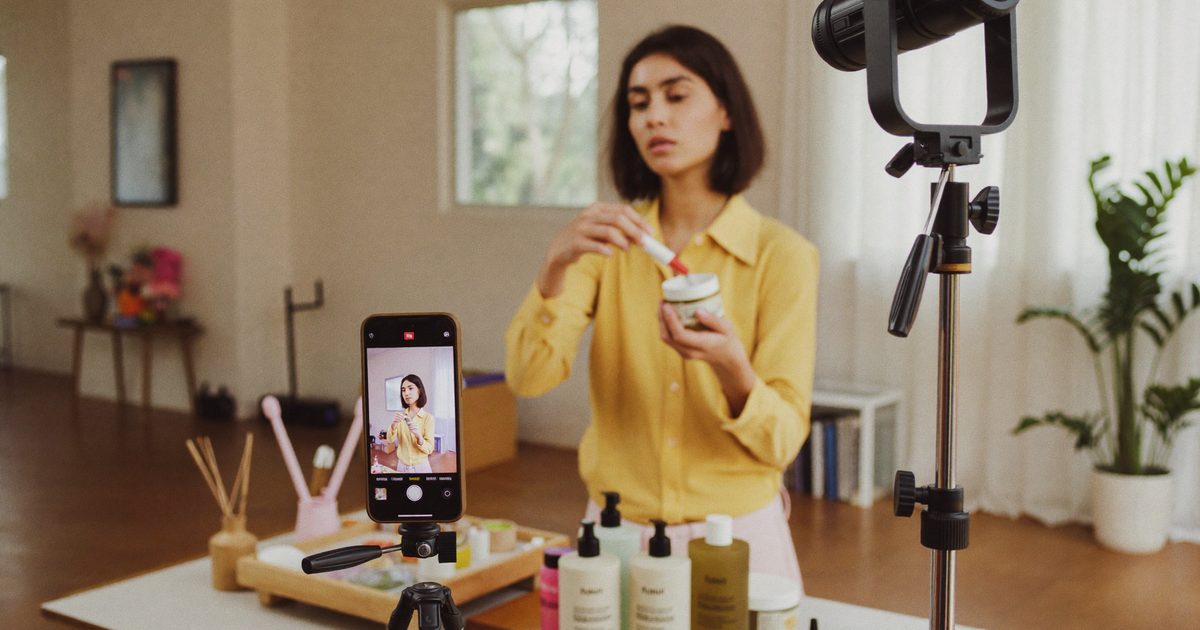
- The Reaction/First-Taste Video (15–30 seconds): Pure top-of-funnel. Creator opens packaging, takes a bite or sip, reacts. No script beyond the product context sentence. This runs as a Reels ad or YouTube Shorts ad. It is the highest-performing format for impulse-purchase categories, snacks, beverages, packaged sweets.
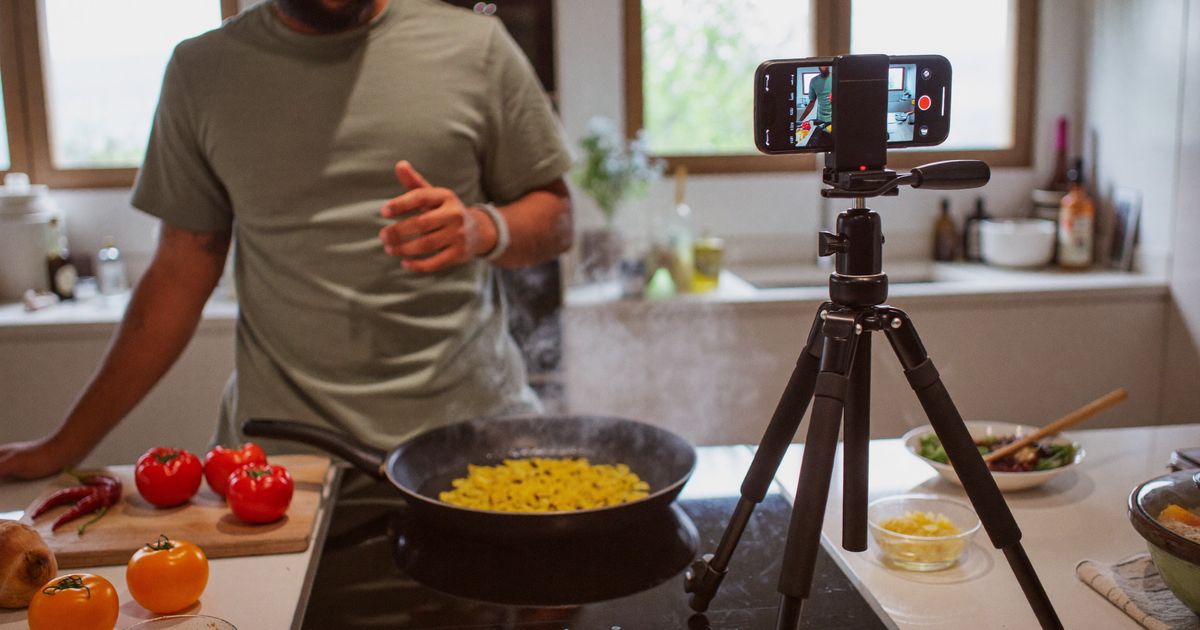
- The Recipe Integration Video (45–60 seconds): Creator uses the product as a genuine ingredient in something they would actually cook. A makhana brand gets used in a quick phool makhana chaat. A nut butter brand goes into a banana smoothie. This format works best for "how do I use this" categories where the purchase barrier is uncertainty about usage.
- The Comparison Hook (20–30 seconds): "I used to buy [generic/competitor category] but switched to this because..." Works for health-positioned brands, protein supplements, cold-pressed oils, sugar-free alternatives. ASCI Note: direct named-competitor comparisons require substantiation. We brief creators to frame comparisons categorically, not by naming specific brands, unless the client has documented substantiation for the claim.
- The Ritual/Occasion Video (30–45 seconds): Product embedded in a recognisable Indian context, evening chai ritual, post-workout, tiffin packing, festival prep. This format is particularly effective for premium F&B brands trying to elevate their occasion positioning. A Rs.800 jar of artisanal ghee sells better when shown in a Diwali mithai-making scene than in a clinical product review.
ASCI Compliance in F&B UGC: The Specific Rules That Trip Brands Up
ASCI has been actively monitoring influencer content since its 2021 disclosure guidelines, and F&B brands carry a compliance overlay that goes beyond standard #Ad labelling.
- Health and nutrition claims must be substantiated. If a creator says "this helped me lose weight" or "this improved my digestion," that is a health claim under ASCI guidelines. Without documented substantiation, it exposes both the creator and the brand. We brief creators to use experience language ("I felt less bloated," "I noticed more energy") rather than outcome claims ("it cured my acidity").
- FSSAI-regulated categories have additional constraints. Infant formula, fortified foods, and health supplements carry advertising restrictions that extend to UGC. We verify FSSAI licensing category before finalising any health-angle brief.
- Disclosure must be prominent, not buried. The #Ad or #Sponsored label must appear in the first two lines of the caption, no "more" tap required to see it. We check this in our post-approval checklist.
- Before-and-after claims are high-risk. For F&B products with wellness positioning, before-and-after image/video comparisons require medical substantiation. We advise clients to avoid this format entirely unless they have clinical trial data, the ASCI complaint risk is not worth it.
Platform Strategy: Where F&B UGC Actually Converts in India
The platform split for F&B UGC looks different from other categories.
Instagram Reels is the primary paid distribution channel for most F&B brands. The visual format and the cooking/food community on Instagram make it a natural fit. We typically run UGC as dark posts, published without appearing on the creator's profile, to give the brand control over targeting and frequency. For brands in Mumbai, Delhi, Bengaluru, and Hyderabad, audience targeting by pincode combined with interest signals (cooking, healthy eating, specific cuisine types) performs well at Rs.40–Rs.80 CPM.
YouTube Shorts is increasingly important for recipe-integration formats. A Shorts video answering a real search query ("quick high-protein breakfast India") can earn organic traction alongside paid placement, useful for repeat-purchase brands where the consideration window is longer.
WhatsApp Status and WhatsApp Channels are underused by most F&B marketers but have real utility for direct-to-consumer brands that have built a customer list. A UGC video posted to a brand's WhatsApp Channel reaches opted-in buyers who already trust the brand, ideal for new flavour launches or limited-edition products.
Swiggy Instamart and Blinkit in-app promotional slots accept UGC-style creative. Specs differ, shorter, square, very fast hook, but the content logic is identical: authentic reaction, price callout, done.
Production Realities: Budget, Timelines, and Revision Culture in F&B
F&B UGC has a perishability problem that other categories do not. A fashion brand can reshoot with the same product. A food brand shooting fresh product must coordinate delivery timing, storage conditions, and the fact that some products photograph or film poorly without fresh stock. We manage this through:
- Product briefing kits: Detailed packing instructions sent to creators specifying how to handle, store, and prep the product before filming. A snack brand should not arrive as a crushed bag. A beverage should arrive temperature-appropriate.
- Flexible revision scope: F&B clients tend to have strong opinions on how their product looks and is described, more so than most categories. Our F&B packages include a second round of revisions by default because the first cut frequently needs a retake where the product is framed more appetisingly or a claim is softened for compliance.
- Seasonal batching: We recommend F&B clients brief 3–4 months of content in a single production cycle tied to seasonal occasions, Eid, Navratri, Dussehra, summer, monsoon. The production cost per video drops significantly when creators are briefed in batches rather than one-off.
The clients who get the best results from F&B UGC are the ones who brief the context, not the script. Tell the creator when and how you eat the product. Let them find their own words for it.
A 10-video F&B UGC production run, four creator profiles, two languages, paid distribution plan, typically sits between Rs.1.2 lakh and Rs.2.5 lakh depending on creator tier and platform scope. Substantially below a single studio shoot at comparable output, and the content is built for paid social from day one.
Measurement: What F&B Brands Should Actually Track
The metrics that matter for F&B UGC depend on where you are selling.
- D2C / website sales: Track add-to-cart rate and cost-per-purchase split by creative. UGC creative should be benchmarked against your existing best-performing static ad, not against a general ROAS target.
- Quick-commerce (Blinkit, Zepto, Swiggy Instamart): Measure branded search volume lift after campaign periods. UGC-driven awareness often shows up in search before it shows up in attributed conversion.
- Modern trade or general trade: Correlate UGC campaign spend against sell-through rate at the SKU level, city by city. Harder to attribute cleanly, but directionally useful and better than nothing.
- Hook rate and watch-through: A food video that loses viewers in the first three seconds has failed at its most basic job. We track hook rate (3-second views / impressions) as the primary creative health signal in the first 72 hours of any campaign.
If you are planning a UGC push for your food or beverage brand and want to see how other F&B clients have structured their creative and budget, our work page has case examples across snack, beverage, and health-food categories, or reach out directly for a no-obligation strategy call.