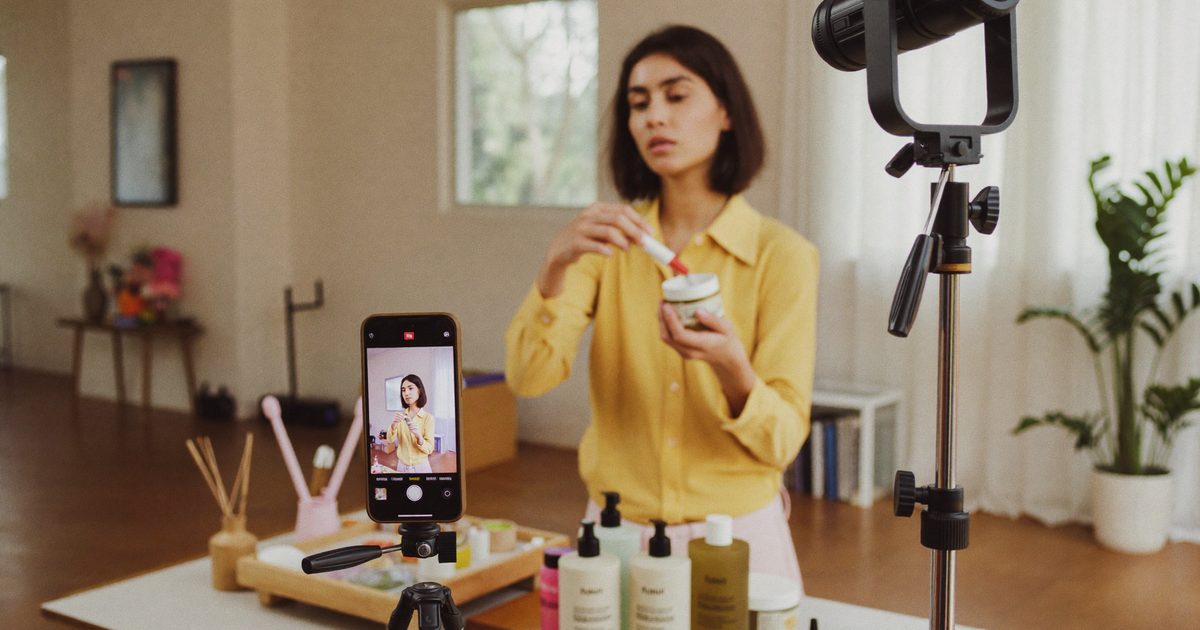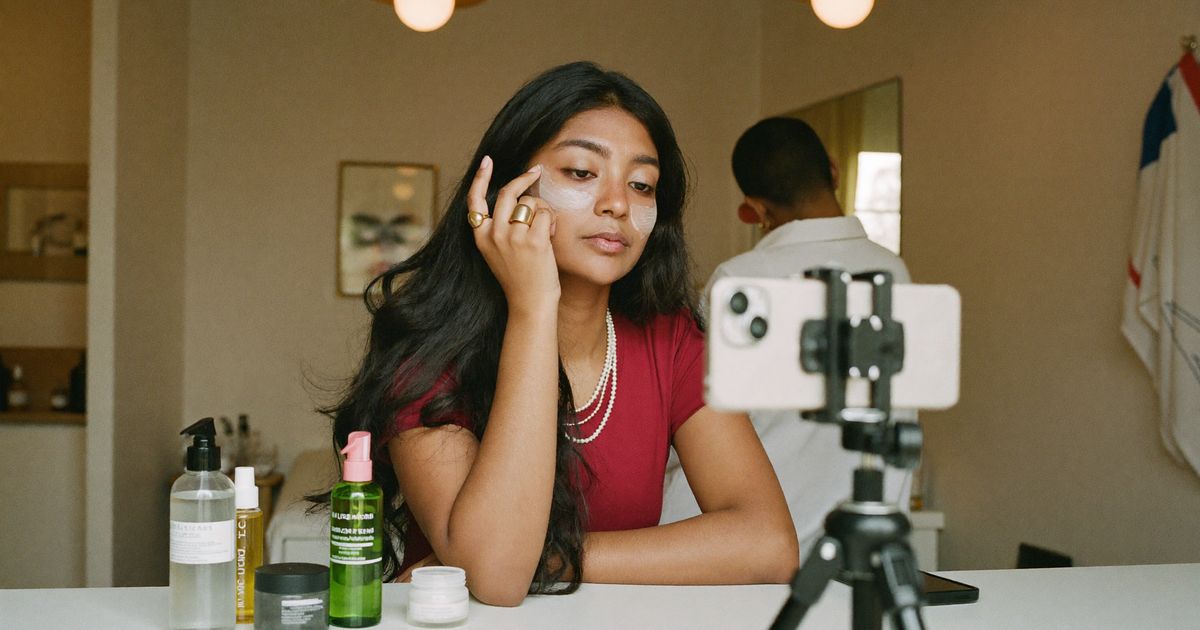
Beauty is one of the few categories where the product demonstration is the ad. A foundation shade that looks perfect under a studio light means nothing until a real person with Indian skin, NC30, wheatish, dusky, swatches it in natural daylight and says whether the finish oxidises. That specific, embodied proof is what UGC delivers, and it is the reason beauty brands on Instagram and YouTube Shorts see purchase decisions driven by creator content at a rate that polished brand shoots simply cannot match.
This guide walks you through a complete UGC strategy built for Indian beauty marketers: how to brief creators, which formats convert, how to stay compliant with ASCI guidelines, and how to structure a sustainable production system, whether you are spending Rs. 2 lakh or Rs. 20 lakh a month on content.
Define Your UGC Objectives Before You Cast a Single Creator
Most beauty UGC programmes fail not because of content quality but because the brief had no clear job. Before approaching creators, answer three questions:
- What product claim needs proof? "24-hour hydration" is a performance claim. "Builds on Indian skin without ashy cast" is a representation claim. The proof formats are different, time-lapse vs. real-skin swatch video.
- Where in the funnel will this content run? Top-of-funnel Reels demand thumb-stopping hooks in the first two seconds. Mid-funnel retargeting videos can be longer (45–90 seconds) and go deeper into ingredients or application technique. Bottom-of-funnel ads often convert best with pure testimonials recorded in creators' own words.
- What platform is primary? Instagram Reels and YouTube Shorts dominate discovery for beauty in India right now. Meesho and Nykaa's native review videos are gaining relevance for mass-market SKUs. Brief content for its primary home first, then adapt.
Casting: Match Creator to Skin Tone, Language, and Lifestyle, Not Just Follower Count
India's beauty market is hyperlocal. A sunscreen campaign that resonates in Chennai (high UV, professional commuters) needs different creators than the same campaign run in Chandigarh or Pune. When we brief creators for beauty clients, we look at four casting signals beyond reach:
- Skin representation: Indian beauty consumers, particularly in Tier 2 and Tier cities across India, have largely been underserved by conventional advertising. Creators whose skin tone, skin concerns (hyperpigmentation, oiliness in humid climates, hairfall from hard water), and lifestyles match the target customer create instant identification.
- Language authenticity: A Hindi-speaking creator doing a code-switch review in Hinglish for a Delhi audience outperforms a formally shot English video every time for mass-market products. For regional launches, Tamil, Telugu, Kannada, and Bengali creators are not optional, they are the main event.
- Content format comfort: Some micro-creators (10k–100k followers) produce technically excellent UGC: clean audio, consistent lighting, confident on-camera delivery. Others are authentic but need direction on pacing. Cast based on the creator's existing content, not what they promise in their pitch deck.
- Category authority: A skincare creator who already posts about actives, SPF routines, and ingredient labels will handle a retinol serum brief more credibly than a lifestyle creator who mixes in beauty occasionally.
Brief Architecture: The Five Elements Beauty UGC Briefs Must Include
A poorly written brief produces content that cannot be used. For beauty specifically, the brief should specify:
- The hook framework: Give creators 2–3 hook options to choose from, each anchored in a specific pain point. Example options for a tinted moisturiser: "I stopped wearing foundation for this", "This is what my skin looks like after a 10-hour workday", or "Testing the only SPF that doesn't white-cast on my skin." The creator picks the one that feels authentic to them.
- Required visual proof moments: A close-up swatch on bare skin. The before-state (no product) and after-state (blended product). A lifestyle shot showing the product in its real usage context, bathroom shelf, handbag, gym bag.
- ASCI compliance mandatories: Under ASCI's Influencer Guidelines (effective 2021, updated 2023), any paid or gifted promotion must be disclosed. Specify the mandatory label: "AD", "Paid Partnership", or "Sponsored", placed prominently at the start of the caption and as an on-screen label in the first few seconds of the video. Remind creators that performance claims ("removes dark spots in 7 days") must reflect results achievable by the average user, not best-case outcomes. Brand is jointly liable under ASCI rules if the creator's post is misleading.
- Claim boundaries: List what creators can say ("moisturises for up to 8 hours") and what they must not claim without substantiation ("cures acne", "permanently reduces pigmentation"). This protects both the brand and the creator from ASCI complaints.
- Tone and no-go list: If your brand does not want competitor comparisons, say so explicitly. If you do not want the creator to mention skin-whitening benefits (a growing compliance risk area in India), that should be in the brief.
Content Formats That Convert for Indian Beauty Brands
Not all UGC formats perform equally across categories and platforms. Based on consistent performance patterns in the Indian beauty space, these formats deliver:
- Get Ready With Me (GRWM) integrations (60–90 seconds): The creator runs through their routine and integrates the product naturally. Works exceptionally well for multi-step skincare or base makeup because it shows the product in context rather than isolation. Highest watch-through rates on Instagram Reels.
- First Impression / First Use videos (30–60 seconds): Honest initial reactions. The "I bought this, let me try it right now" format. High trust signal because it is unscripted, the creator cannot pretend to love a product they are opening for the first time. Works well for gifted product campaigns.
- Problem-Solution format (15–30 seconds): Opens with the specific problem ("my oily T-zone makes every foundation slide off by noon"), cuts to the product, ends with the result. Best format for Reels ads in the consideration-to-conversion phase.
- Ingredient deep-dives (2–5 minutes, YouTube): Premium skincare brands targeting 25–40-year-old, metro-educated buyers benefit from longer-form content that explains why an ingredient works. These videos also rank in Google Search, extending the asset's life well beyond a paid distribution window.
- Regional language reviews for e-commerce: Short (60–90 second) Tamil, Kannada, or Marathi creator reviews embedded on product pages or Nykaa listings increase conversion rates because they eliminate the language barrier for shoppers who are not comfortable reading English product descriptions.
Budgeting and Production Scale
A realistic beauty UGC production budget in India looks like this:
- Entry level (Rs. 1.5–3 lakh/month): 8–12 short-form creator videos across 4–6 micro-creators (10k–80k followers). Sufficient for a single hero SKU launch or an ongoing awareness campaign on one platform. Creator fees in this range: Rs. 8,000–25,000 per deliverable depending on tier and usage rights.
- Growth level (Rs. 4–8 lakh/month): 20–30 assets across multiple formats, including GRWM integrations, short-form problem-solution clips, and at least one regional language creator. Enables A/B testing of hooks at meaningful volume and includes paid amplification rights.
- Scale level (Rs. 10–20 lakh/month): Full-funnel content production, top-of-funnel discovery Reels, mid-funnel retargeting videos, testimonial snippets for conversion. Multiple regional language tracks. Ingredient explainers for YouTube. Brands in this tier are usually running Meta and Google performance campaigns and need a constant stream of fresh creative to avoid audience fatigue.
One structural note: always negotiate usage rights upfront. A creator fee of Rs. 15,000 for an Instagram post is different from Rs. 15,000 for an Instagram post plus 90 days of paid Meta ads usage. The latter is worth significantly more and should be priced accordingly, typically 1.5–2x the organic posting fee.
Measurement: What to Track Beyond Views and Likes
Vanity metrics mislead beauty brands into thinking content is working when it is not. The metrics that actually matter:
- Watch-through rate: For 30-second Reels, what percentage of viewers reach the 15-second mark where the product claim usually lands? Below 40% means the hook or first visual is losing people before the message is delivered.
- Save rate: Instagram saves are the highest-intent signal for beauty content. A user who saves a skincare routine video is storing it for future reference, they are almost certainly in an active purchase consideration window.
- Click-through rate on paid amplification: When you run UGC as paid ads, CTR reveals which specific hook or proof moment is actually motivating action. This data should feed directly back into your next brief cycle.
- Attribution-window conversions: For D2C beauty brands running Meta campaigns with pixel integration, look at 7-day click, 1-day view attribution. UGC ad sets often show lower CPM but higher ROAS than studio creative in this window because relevance scores are higher.
- Qualitative comment analysis: Read the comments on top-performing UGC. "What foundation is this?", "Link please", "Does this work on dark skin?", these are purchase-intent signals in plain text. They also tell you which product benefits resonated and which went unnoticed.
The most consistently high-performing beauty UGC we have produced shares one quality: the creator is visibly solving their own problem, not performing enthusiasm for a brand. The brief's job is to create the conditions for that moment to happen on camera.
Building a Repeatable UGC System, Not a One-Off Campaign
Beauty brands that treat UGC as a campaign spend (burst, then stop) consistently underperform against those who treat it as a content supply chain. A repeatable system has three components:
- A rolling creator roster: Keep 15–25 vetted beauty creators on a retainer or first-look arrangement so you are not rebuilding from scratch each month. Rotate in new faces regularly to introduce fresh perspectives and expand representation.
- A content calendar tied to product launches and seasonal moments: Bridal season (October–February), Diwali gifting, summer SPF season, monsoon haircare, Indian beauty has a predictable content calendar. Plan briefs 6–8 weeks ahead of these windows so content is ready before the moment, not after.
- A feedback loop from paid performance to creative briefs: Every two weeks, pull your top-three and bottom-three UGC ads by CTR and conversion. Brief the next batch of creators using learnings from the top performers. This iterative loop compounds over 6–12 months into a significantly more efficient creative programme.
If you are ready to build a UGC programme for your beauty brand but want a production partner who already has the creator network, brief infrastructure, and ASCI compliance process in place, book a consultation with The UGC Agency, we work with beauty and personal care brands across India and can scope a content strategy matched to your current budget and growth targets.