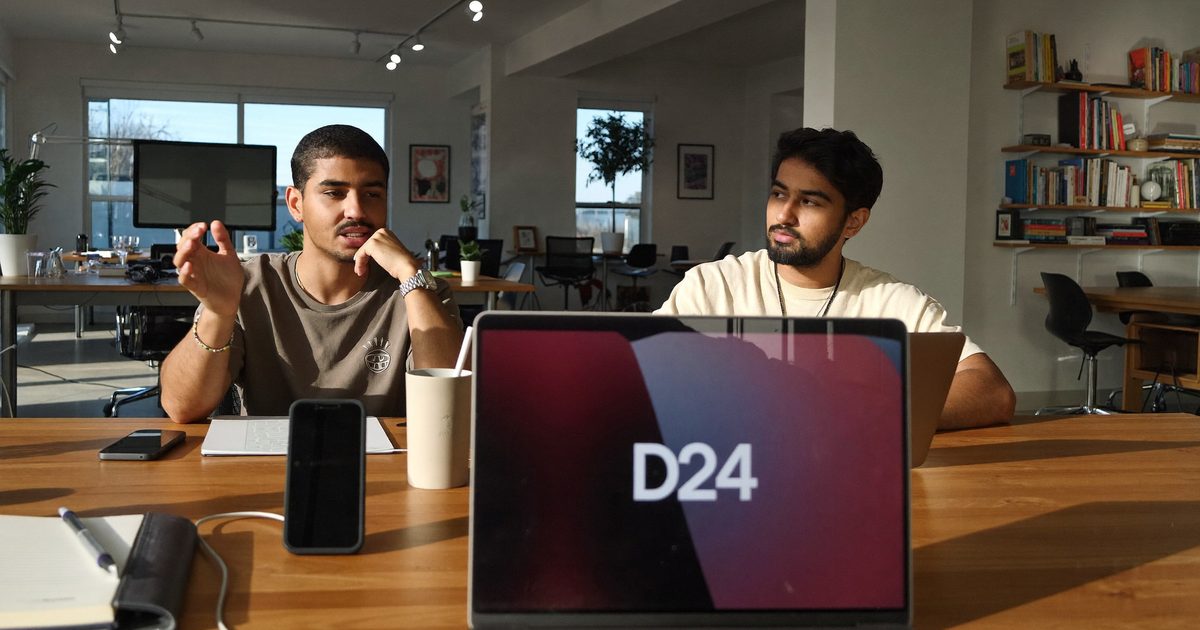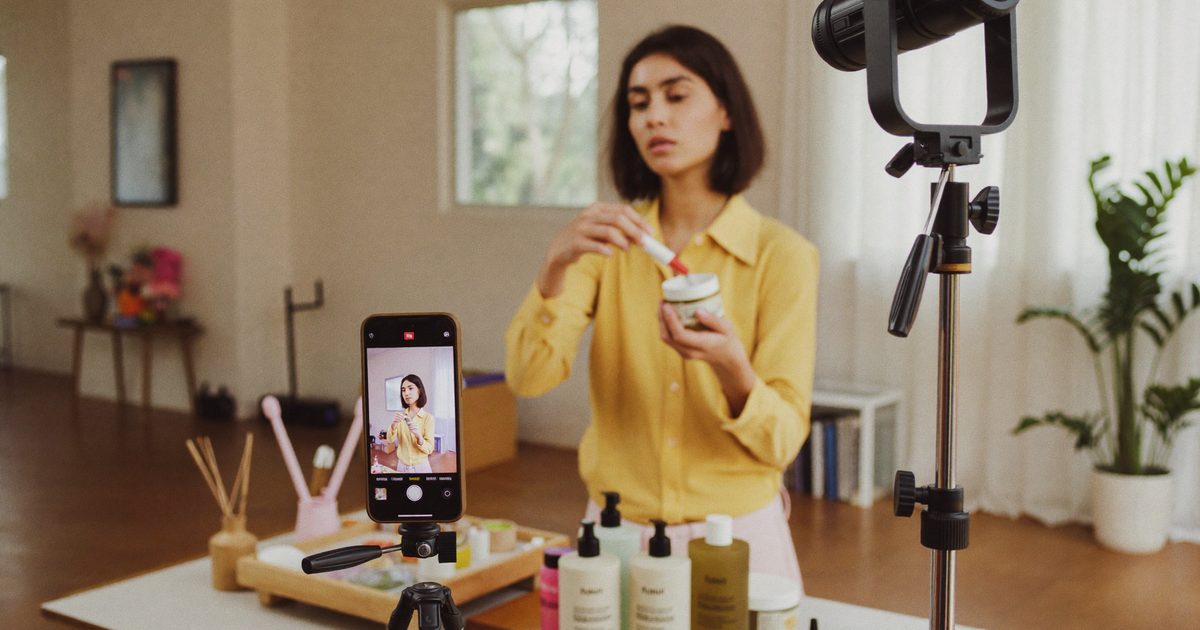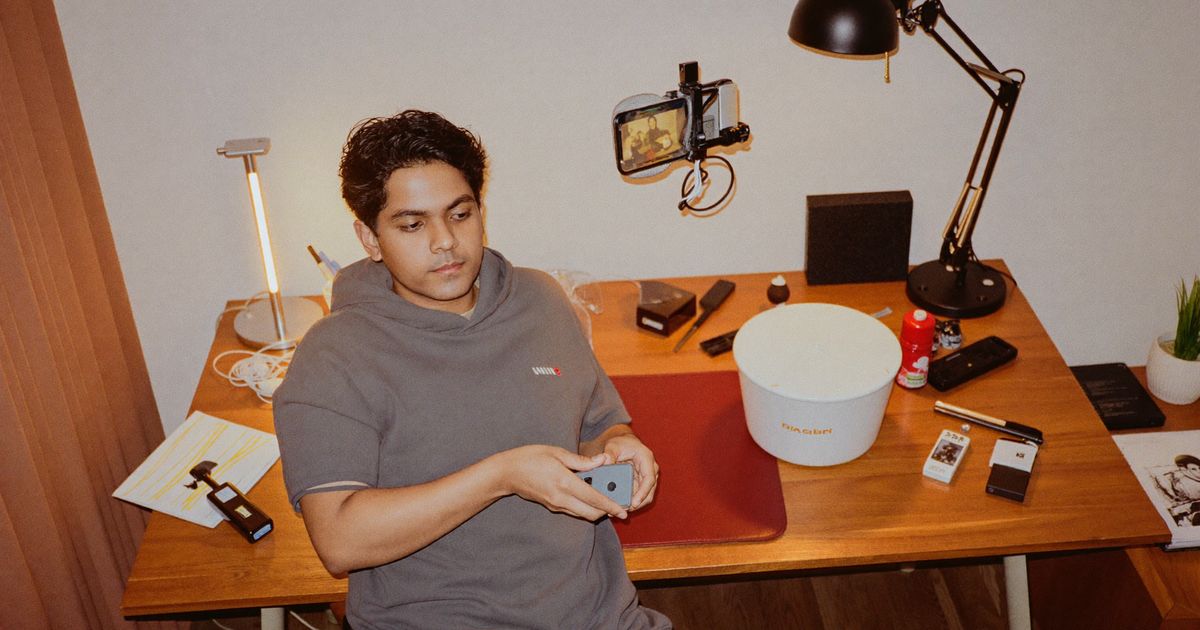
A Pune-based developer spent three months running glossy drone tours of their upcoming township on Instagram, beautiful footage, almost zero site visits. When they switched to a series of fifteen-second videos where actual buyers walked through sample flats and described the commute to their office in Hinjawadi, inquiries jumped within a fortnight. That gap, between polished brand content and content that earns trust, is the exact problem UGC solves for real estate, and it is sharper in this category than almost any other.
If you are already running UGC for a real estate brand and seeing modest results, this is not a primer. This is a playbook for the next stage: how to systematise creator output, layer in platform-specific strategy, stay compliant with ASCI's endorsement rules, and turn buyer stories into a compounding asset rather than one-off creative refreshes.
Rethink Who Your Creator Is
Most real estate UGC programs default to lifestyle creators who have never bought the property, they look good on camera but the content lacks specificity. At this stage, your most valuable creators are actual buyers and residents, followed closely by people who are visibly in your target buyer's situation: young professionals relocating from Tier-cities across India, NRIs assessing projects remotely, or families upgrading from a smaller apartment.
- Resident creators: Offer a nominal honorarium (Rs.3,000–Rs.8,000 per deliverable) plus a documented brief. A resident in your Whitefield or Rajarhat project talking about their daily commute, the school catchment, or the actual maintenance charges hits far harder than any ambassador content.
- Buyer-journey creators: Brief people who are mid-purchase, site visit, shortlisting, loan approval, to document the process. This is gold for funnel-of-awareness content because it mirrors the exact mental state of prospective buyers.
- Profession-specific creators: A software engineer who moved from Bengaluru to a Hyderabad township for WFH flexibility, a doctor who chose a project for its proximity to a hospital cluster, these vertical-specific testimonials outperform generic family-happiness content on Meta.
ASCI's endorsement guidelines (updated framework, 2023) require that paid or incentivised creators clearly disclose the material connection. In real estate this is non-negotiable because RERA already mandates honest representation of projects. Brief creators to include a spoken or text disclosure ("I received [X] for sharing this") and audit this before publishing. Non-disclosure can expose both the brand and the creator to regulatory action.
Build a Systematic Brief Architecture
Ad-hoc briefs produce ad-hoc content. A scalable UGC programme for a real estate brand needs tiered brief templates tied to funnel stage and format.
- Awareness tier (Reels/Shorts, 15–30 sec): Hook is the location benefit or lifestyle proof point. Example brief hook: "Start your video at your balcony, describe what you see in one sentence, then tell me why you chose this over [competing location]." No developer jargon, no project features list.
- Consideration tier (YouTube Shorts or long-form, 60–180 sec): Walk-through format. Brief the creator to answer the three questions every buyer actually Googles, construction quality, actual possession timeline, maintenance charges. We brief creators to address the negative directly: "If there was one thing you wished you'd known before booking, what was it?" Honest friction followed by resolution converts better than pure positivity.
- Decision/retargeting tier (Stories, carousel captions, Meta Ads): Specific objection-busters. Brief snippets that address loan eligibility, RERA registration number, and after-possession support. These run as dark posts in Meta's Advantage+ campaigns targeting warm audiences who visited the project's landing page.
Localise the brief language itself. If the project is in Chennai, brief Tamil-speaking creators to record in Tamil even if the overlaid text is English, local-language delivery has consistently outperformed dubbed or subtitled content in our production work across South Indian markets.
Platform Strategy That Matches the Buyer Journey
Real estate UGC does not perform uniformly across platforms. At scale, treat each platform as a distinct distribution layer.
- Instagram Reels + Meta Ads: The highest-volume discovery layer for projects priced under Rs.1.5 crore. Short creator videos (15–30 sec) work as cold-audience creative; longer walk-throughs (45–60 sec) work better as retargeting assets. Test creator-shot content against polished production, in many residential categories, lower production quality actually signals authenticity and improves thumb-stop rate.
- YouTube (Shorts + standard videos): Real estate buyers search YouTube the way they search Google. A 3-minute buyer testimonial optimised with the project name + locality + "review" keyword in the title will surface in search and pull consideration-stage traffic for months without additional spend. This is a compounding asset your paid Reels are not.
- WhatsApp Status and broadcast lists: Builders with an established lead database should be pushing short creator clips (under 30 seconds) through WhatsApp Status. This is not a replacement for personal follow-up but works well as a drip-touch during the 30–90 day consideration window buyers typically take for projects above Rs.80 lakh.
- LinkedIn: Relevant only for commercial real estate (office space, co-working, industrial parks) or NRI-targeted residential launches. For these, creator content, a startup founder showing their new leased workspace, an NRI documenting their possession visit, outperforms brand posts significantly.
Structuring the Production Pipeline at Volume
Running twelve creators simultaneously across three projects without a pipeline is how quality degrades. The infrastructure that supports scale without chaos involves three moving parts.
Asset intake: Give every creator a shared drive folder structure: raw footage, final cuts, signed disclosure statement, thumbnail options. Insist on raw files, you will need to cut, subtitle, and format-adapt for multiple placements, and low-res exports limit your options.
Review and compliance gate: Real estate advertising in India is subject to RERA Section 12 (no false/misleading material about project features) and ASCI's Real Estate sector-specific guidelines. Assign one person, ideally someone familiar with the project's RERA filing, to review every piece of creator content before it goes live. Common flags: unverified possession dates, superlatives like "best connectivity" without substantiation, price claims that don't match the registered sales agreement.
Repurposing calendar: Each creator deliverable should yield at minimum four placements: the full video, a 15-second cut for Reels/Stories, a static thumbnail with a quote for carousel, and a caption-only version for WhatsApp. Build this into the production schedule, not as an afterthought. A Rs.6,000 creator fee should produce Rs.24,000-worth of placements when properly extracted.
Measuring What Actually Moves Sales
Engagement metrics are vanity for real estate UGC. The metrics that matter are further down the funnel.
- Site visit attribution: UTM-tag every creator video that links to the project landing page or a site-visit booking form. Separate walk-in traffic driven by creator content from broker referrals and direct search. Most real estate brands cannot do this cleanly, which is why UGC's contribution to pipeline gets undervalued.
- Cost per qualified lead by creative type: In Meta Ads Manager, compare CPL for creator-shot content vs. developer-produced content vs. CGI renders. The real estate sector routinely finds that creator content delivers 30–50% lower CPL on warm audiences, but this only becomes visible if you are running them as separate ad sets with proper creative labelling.
- Video completion rate as a consideration signal: On YouTube, a buyer watching 80% of a 3-minute creator walk-through is a high-intent signal. Retarget this audience within 7 days with a booking incentive or a site-visit offer, conversion rates from this segment are consistently higher than from short-form view audiences.
- Organic search lift: Track the project-name + locality keyword monthly. Multiple YouTube testimonials and blog-embedded creator videos build topical authority and shift organic rankings, which reduces paid dependency over a 3–6 month horizon.
Advanced Formats Worth Testing Now
Brands that have the basics running well should be experimenting with formats that are still underutilised in Indian real estate UGC.
- Creator-led live Q&A on Instagram: A resident or buyer hosting a live session answering questions from prospective buyers. No scripting, the unfiltered nature is the point. Brief the resident on what they can and cannot say (RERA compliance), but let the Q&A drive itself. These sessions generate significantly more DMs and inquiries than static posts.
- Before/during/after possession series: A creator who documents their journey from signing to moving in across 6–8 short videos. Each video is a standalone asset, but the series builds narrative trust over the long buyer consideration window. This format works especially well for under-construction projects where buyers need confidence during the wait.
- Bilingual content for NRI audiences: Hindi + English or regional language + English creator videos targeting the Gulf, Singapore, and UK NRI diaspora on Meta. Brief creators to speak to the NRI-specific concerns, rental yield, property management after possession, loan options for NRIs, that generic Indian residential content ignores.
- Neighbourhood creator content (not project-specific): Commission creators to talk about the locality, not the project. A video about the best restaurants near Sarjapur Road or the new metro connectivity to Thane serves the developer's SEO and brand awareness goals while being genuinely useful to a user, and it does not trigger RERA's advertising disclosure requirements the way project-specific content does.
If your real estate brand is ready to move beyond one-off creator experiments into a structured UGC system, with compliant briefs, platform-specific distribution, and proper measurement, talk to our team. We work with developers and channel partners across Bengaluru, Mumbai, Hyderabad, and NCR to build creator pipelines that compound over time, not just drive short bursts of traffic.