Luxury and authenticity have always had a complicated relationship. For decades, Indian luxury brands, and the global houses that sell to Indian consumers, built desire through scarcity: controlled imagery, aspirational campaigns shot in European locations, no pricing on the website. The implicit contract was you do not question us; you aspire toward us. Then D2C luxury entered the picture. Brands like Tasva, Sabyasachi Accessories, Forest Essentials, and Nappa Dori began reaching their actual buyers through Instagram and YouTube, and the unspoken rules started to bend.
What we have found, running UGC production for premium and luxury-adjacent brands, is that the resistance is real but not fatal. The question is never "should a luxury brand use UGC", it is "which kind of UGC, briefed how, with what guardrails." The answer changes significantly depending on whether you are a true luxury house (Aurika Hotels, Shaze), a masstige brand (Bombay Shirt Company, Neemans at the higher end), or a homegrown D2C brand with premium positioning but ₹5,000–₹20,000 price points. This article breaks down how the production approach differs across those tiers.
Why Luxury Brands Resist UGC, and Where That Resistance Is Warranted
The core fear is loss of visual control. A creator unboxing a silk chanderi dupatta in bad lighting, against a messy background, undermines the entire brand world the label has spent years building. That fear is not irrational. Poorly executed UGC absolutely can erode perceived value. We have seen it happen when brands hand over a brief that says "just be natural" and receive 90-second selfie-style videos that look indistinguishable from a fast-fashion haul.
Where the resistance becomes a liability is in the post-consideration phase. Indian luxury buyers, particularly the 28–45 age group in metros like Bengaluru, Mumbai, and Delhi NCR, do not skip the research phase just because a product is expensive. They look up reviews. They watch walkthrough videos. They scan Instagram comments. If your brand's only content is polished brand-created posts and there is no third-party social proof, you are leaving purchase decisions unmade. High-intent buyers who cannot find independent voices talking about your product will default to a competitor whose community is more visible.
The Creator Profile Matrix for Luxury Segments
The mistake most luxury brands make when first experimenting with UGC is using the same creator pool they would use for a ₹999 skincare brand. Follower count is the wrong metric here. What matters for luxury UGC is:
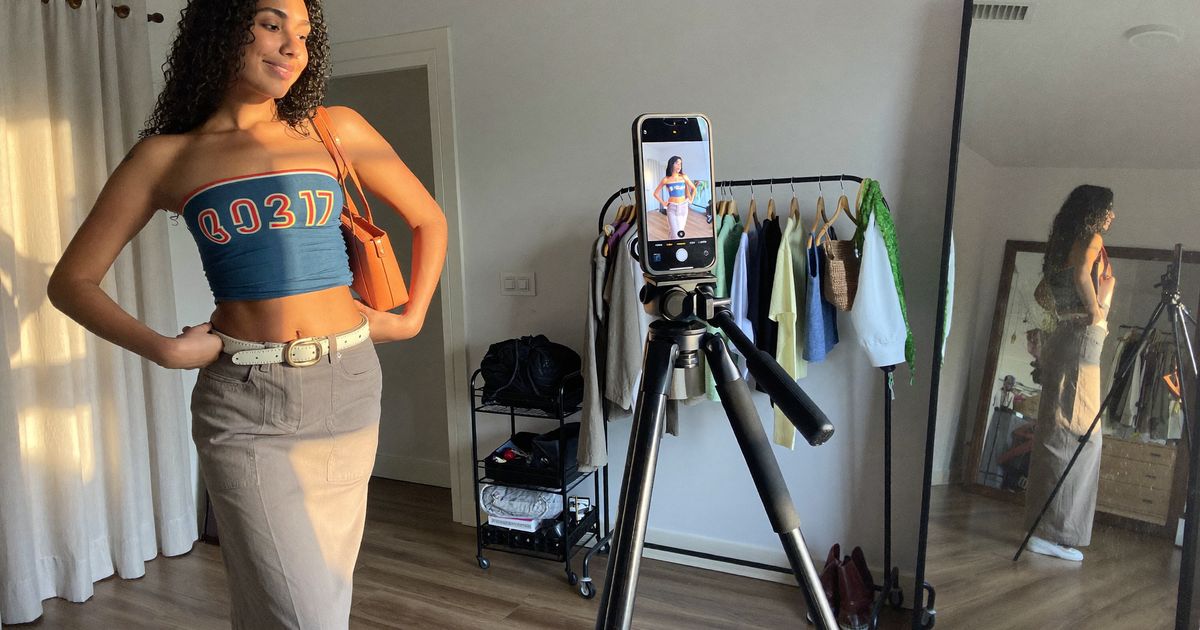
- Visual literacy: Does the creator's existing content reflect taste? Look at how they frame shots, what their background and lighting defaults are, whether their colour palette is coherent. A lifestyle creator with 18,000 followers who consistently shoots in natural light and curated settings is worth more than a 200,000-follower haul creator who films in front of a busy wardrobe.
- Audience income profile: Reach means nothing if the audience cannot afford your product. For brands at ₹15,000 and above, we focus on creators whose audience skews toward Tier cities across India and whose content naturally attracts working professionals, finance, tech, consulting, design. Instagram's paid partnership tool gives brands audience demographic data before you confirm a creator deal.
- Category alignment: A luxury watch brand should look at creators who cover horology, men's grooming, business travel, or tailoring, not generic lifestyle. Niche alignment signals to the audience that the creator genuinely inhabits the brand's world.
- UGC-versus-influencer distinction: For paid-media UGC (content produced for use in Meta and Google ads rather than organic posting), follower count is irrelevant. Here we scout for actors and everyday-persona creators who present well on camera and can follow a structured brief. The content runs as dark posts or whitelisted ads, not under the creator's handle.
The Production Brief: Where Luxury UGC Is Actually Won or Lost
A standard UGC brief for a ₹500 product might be two paragraphs. A luxury UGC brief needs to function almost like a mini-brand guide. When we produce for premium clients, our briefs include the following non-negotiables:
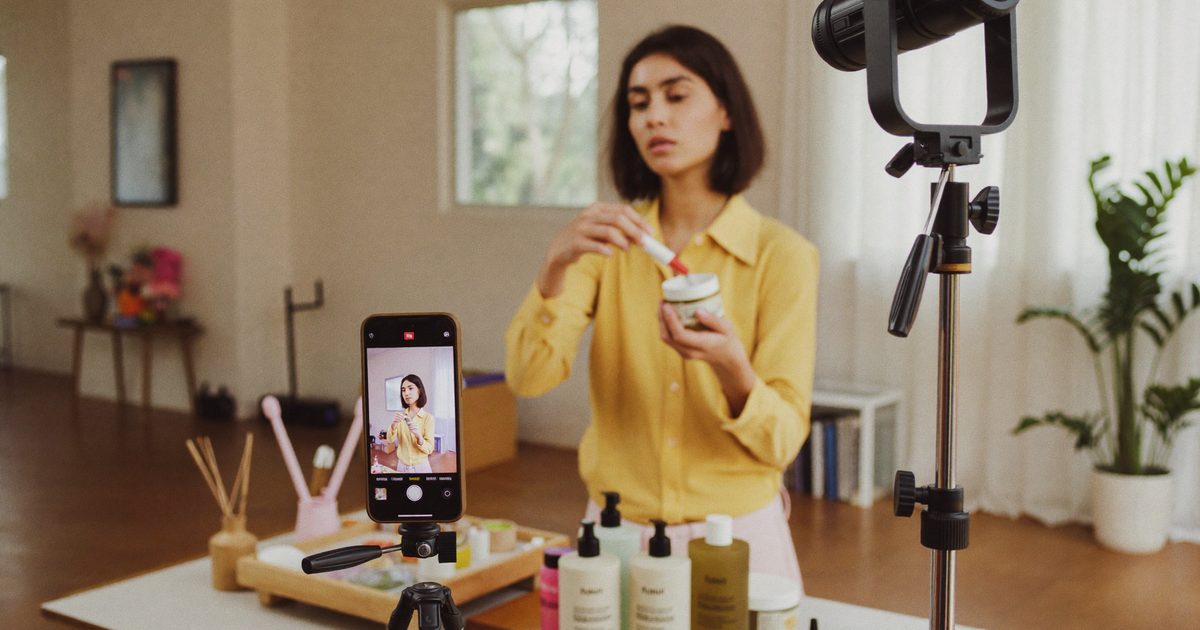
- Environment spec: Explicit instructions on the filming environment, natural light only, or specify approved artificial lighting (soft box, not ring light). Background options: neutral linen, dark wood surface, architectural exterior. Explicitly prohibited: messy domestic backgrounds, mixed plastic furniture in frame, fluorescent overhead lighting.
- Tone vocabulary: We give creators a short list of words that fit the brand voice (considered, understated, crafted, specific) and a short list that do not (amazing, obsessed, so good, you guys). This sounds pedantic until you hear a creator describe a ₹28,000 hand-embroidered kurta as "super cute."
- Handling instruction: For apparel, jewellery, and accessories, we brief creators on how to physically handle the product on camera, open a box slowly, lay fabric flat before picking it up, hold the product at rest before demonstrating it in motion. These micro-gestures signal care and reinforce perceived value.
- ASCI compliance for claims: Indian luxury brands often lean into heritage and craftsmanship claims. Under ASCI guidelines, claims like "made by master artisans" or "100-year-old technique" must be substantiated. We include a short approved-claims list in every brief so creators are not improvising superlatives that could trigger a complaint.
The brief is the product. If a luxury brand hands us a vague creative direction and expects creators to intuitively understand the brand world, the content will be average at best. The 45 minutes spent writing a precise brief saves 3 rounds of reshoots.
Formats That Actually Work for Luxury UGC in the Indian Context
Not every UGC format maps cleanly onto luxury positioning. Here is what we have found works versus what tends to undermine it:
- Unboxing and first-impression videos: Work extremely well for jewellery, accessories, and premium skincare, categories where packaging is part of the product experience. A creator opening a Karmic seed jewellery box or a Forest Essentials gift set, filmed with care, communicates quality before a word is spoken. The key is pacing, slow is luxury; rushed is fast-fashion.
- Wear-to-event recaps: Short-form content where a creator documents wearing a luxury piece to a real occasion, a wedding in Jaipur, a board dinner in Lower Parel, a gallery opening in Bandra. This format is credible because the setting creates implicit social proof: real people wearing the product in real aspirational contexts.
- Craft process micro-docs: 60–90 second videos that show a single step in the production process, a Benarasi loom in operation, hands block-printing in Bagru, a cobbler lasting a shoe in Dharavi's leather district. These work brilliantly as Meta ads for Indian premium brands because they immediately differentiate from imported fast-fashion and speak to a growing buyer preference for provenance. We have produced these as behind-the-scenes content under the creator's handle and as brand ads, both perform.
- Testimonial-style direct-to-camera: These need to be scripted lightly and delivered with restraint. Overenthusiastic testimonials read as paid regardless of the disclaimer. We brief creators to speak in the first person about one specific, concrete detail, the weight of the fabric, the exact shade, how it arrived, rather than general endorsements. Specificity signals authenticity.
- What does not work: Reaction-style hooks ("I can't believe this brand sent me…"), trending audio overlaid on product shots, and heavily filtered content that changes the product's colour rendering. These formats are native to mass-market UGC and carry those associations into the luxury space.
Language and Regional Calibration
One advantage Indian luxury brands have over global houses is the ability to speak in native register. A hand-woven textile brand from Tamil Nadu has an authentic reason to produce content in Tamil. A Kolkata jeweller has a story that resonates differently when told in Bengali. This is not about translation, it is about creators who actually inhabit that cultural context speaking to an audience that shares it.
For paid media, we typically produce the same concept in three versions: English (Metro-broad), Hindi (North India/digital-urban), and one regional language relevant to the brand's heritage or primary buyer geography. The regional-language cut consistently outperforms on cost-per-consideration in our Meta campaigns for heritage brands, because the audience self-selects as culturally engaged buyers rather than casual scrollers.
Rights, Whitelisting, and the Meta/Google Amplification Layer
Organic reach for luxury UGC is modest, even with well-matched creators, most Indian Instagram accounts in the lifestyle-luxury niche see 2–5% organic reach on Reels. The real value of luxury UGC is in paid amplification. A single well-produced creator video, whitelisted through Meta's branded content partnership tool, can be run as a dark post targeting Mumbai and Bengaluru's top-household-income cohorts without the creator's follower base being a limiting factor.
For this to work, usage rights need to be contracted upfront. Our standard creator agreements for luxury clients include a 12-month paid media license for Meta, Google, and YouTube placements, with optional renewal. We also take full raw file delivery (not just the edited export) so the brand's performance team can cut alternate lengths, a 15-second cut for YouTube pre-roll, a square crop for Instagram feed, without going back to the creator. The upfront rights negotiation adds a day to the project timeline and typically ₹3,000–₹8,000 per creator in licensing fees. It is consistently worth it.
Measuring Success Without Vanity Metrics
Luxury brands should not be optimising UGC for likes. The metrics that matter are: brand search lift (run a Meta brand awareness objective alongside conversion campaigns and measure uplift in branded search volume on Google), consideration rate (scroll-stop plus link click for content-style ads), and assisted conversions in Meta's attribution model, UGC often touches a buyer in the middle of a multi-touchpoint journey rather than as the last click.
For brands at ₹20,000+ average order value, the sales cycle is 2–6 weeks. UGC that a buyer watches on day 2 may convert on day 19 via a direct visit. Measuring UGC performance on last-click attribution will make it look like it does not work. Multi-touch attribution and brand lift studies give a more honest picture.
If you are managing a luxury or premium D2C brand and want to work through a UGC production strategy that fits your positioning and price tier, book a consultation with our team, we will map out creator profiles, format options, and a briefing framework before a single shoot is commissioned.