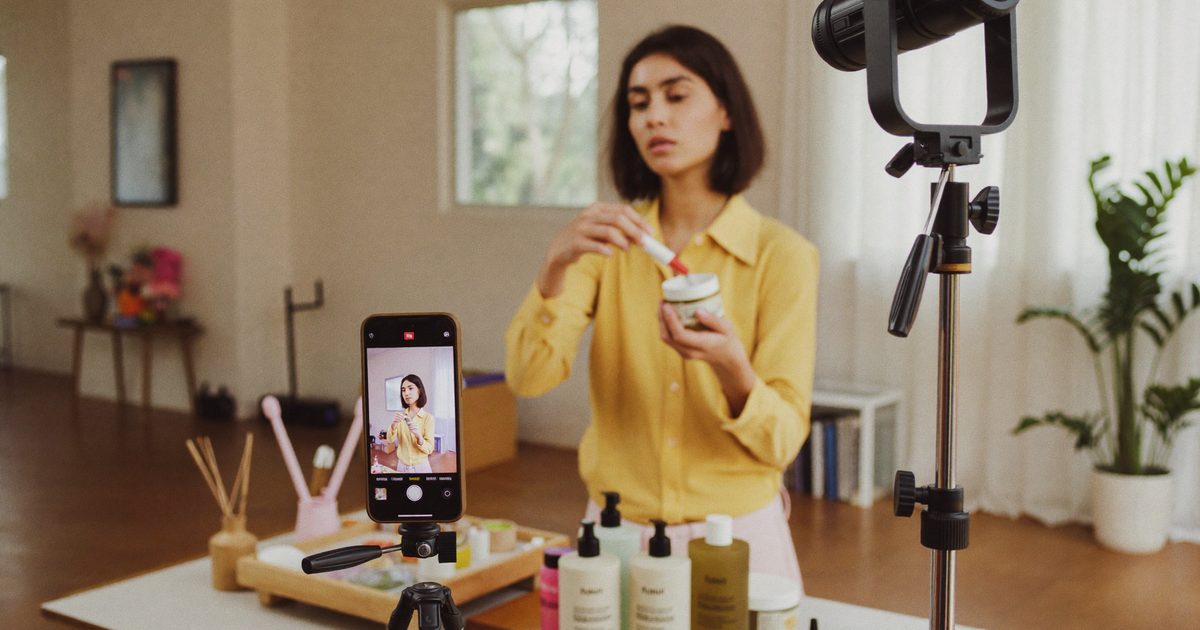
A dermatologist in Bengaluru posts a reel showing a patient's before-and-after skincare journey, no celebrity endorsement, no production crew, just a real person speaking in Kannada about three months of consistent use. By week two, that single video has driven more consultation bookings than the brand's paid search campaign did in a month. This is what well-executed user-generated content looks like in Indian healthcare, and it is quietly becoming one of the most effective growth levers available to brands in the segment.
Healthcare UGC in India sits at an unusual intersection: extraordinary purchase intent from consumers who are anxious, research-driven, and deeply influenced by peer testimony, and strict guardrails from ASCI and the Drugs and Cosmetics Act that make generic influencer claims a compliance minefield. The brands that are scaling successfully are the ones that have built a disciplined, step-by-step UGC system, not a one-off campaign. Here is how to build yours.
Step 1: Define What You Can and Cannot Claim
Before you brief a single creator, your legal and marketing teams need to align on claim categories. The ASCI Healthcare Advertising Guidelines (updated 2023) prohibit testimonials that directly imply a cure, guarantee recovery, or make comparative claims against prescription alternatives. This is not optional compliance, ASCI CCC violations now appear in brand reputation audits, and repeat offenders face advertising blocks on major platforms.
Map your product or service into one of three claim tiers:
- Experience-only claims: "I feel more energetic", "My skin looks clearer", permissible, no quantification needed.
- Outcome claims with qualification: "Lost 4 kg in 8 weeks with diet and this supplement", permissible if the qualifier ("results may vary", "individual results vary") is legible and not buried.
- Clinical or cure claims: "This cured my PCOD", not permissible for OTC brands; requires prescription category framing and is generally off-limits for UGC creators without a physician's supervision.
Hand every creator a one-page claim guide before they shoot. We brief creators to use first-person sensory language ("I noticed", "I felt", "I started sleeping better") rather than diagnostic language. This keeps content authentic and compliant simultaneously.
Step 2: Identify the Right Creator Profiles for Healthcare
Healthcare UGC works best when the creator's credibility is earned, not purchased. Three profiles consistently outperform macro-influencers in this category:
- Condition-adjacent micro-creators (10K–100K followers): People who have built audiences around managing diabetes, PCOS, gut health, or postnatal recovery. Their followers are already in-market and high-intent. Expect creator fees of Rs. 8,000–35,000 per deliverable on Instagram in Tier-cities across India.
- Wellness professionals with personal audiences: Nutritionists, physiotherapists, and Ayurvedic practitioners who share their own protocol journeys. They straddle credibility and personal testimony effectively. Rates typically range from Rs. 15,000–60,000 per reel depending on audience size and category depth.
- Real patient or customer voices (non-paid or nominally paid): Customers who have genuinely used your product and are willing to document their journey. These often require a repurposing agreement and a small incentive (Rs. 1,000–3,000 in product credit or Amazon Pay), but they produce the highest-trust content on Meta platforms where authenticity signals are rewarded by the algorithm.
For regional reach, which is non-negotiable in Indian healthcare where Tier-2 and Tier-cities across India hold substantial OTC and nutraceutical purchase power, prioritise creators who naturally speak in Hindi, Tamil, Telugu, Bengali, or Marathi. A 30-second testimonial in conversational Telugu for a joint-health supplement will outperform a polished Hindi reel on the same product in Andhra Pradesh and Telangana markets.
Step 3: Structure the Content Brief for Healthcare-Specific Formats
A vague brief is the fastest way to generate unusable content. For healthcare, your brief must specify:
- The exact problem to open with: Not "talk about your health journey" but "open with one specific symptom or frustration you had before using the product, in one sentence."
- The transformation arc: Week 1 / Week 4 / Week 8 check-ins work well for supplements and skincare. For services (diagnostic labs, telehealth, physiotherapy), a before-and-after of the process, "how anxious I was before booking" vs. "what the experience actually felt like", performs well.
- Visual proof requirements: For topical skincare, consistent lighting across check-ins matters enormously. For nutraceuticals, a shot of the product being incorporated into a morning routine (with breakfast, with chai) contextualises the habit without making it feel clinical.
- The disclaimer drop-in: Provide the verbatim disclaimer text and specify exactly where it appears, ideally as a spoken line near the end ("Individual results vary; consult your doctor if you have a medical condition") rather than a fleeting on-screen caption.
The most credible healthcare UGC we have produced contains at least one moment of honest admission, a creator saying "I was skeptical at first" or "the first two weeks I didn't see much", before they describe the shift. Doubt followed by conviction is far more persuasive than unbroken enthusiasm.
Step 4: Build a Multi-Platform Distribution Funnel
Distribution strategy for healthcare UGC is more nuanced than for fashion or food, because the purchase decision cycle is longer and the consumer typically needs multiple trust touchpoints before converting.
- Instagram Reels (awareness and retargeting): 30–45 second problem-solution reels work for cold audiences. Repurpose these as Meta ads using the creator's handle via Branded Content or Partnership Ads, this preserves the organic credibility signal while allowing precise targeting of, say, women aged 25–40 in Mumbai and Hyderabad searching for PCOS solutions.
- YouTube Shorts and long-form: A 90-second "Week 8 update" is a natural fit for YouTube Shorts. For products requiring explanation (medical devices, complex supplement stacks), a 5–8 minute creator documentary-style video on YouTube gives you content that ranks for search queries and builds deep consideration.
- WhatsApp Status repurposing: For brands with a WhatsApp Business account or a reseller/distributor network, short 15-second clips from creator content (with permission) shared on WhatsApp Status drive astonishing word-of-mouth in smaller cities. This is especially effective for OTC nutraceuticals distributed through chemist networks in Tier-2 towns like Nashik, Coimbatore, or Rajkot.
- Product detail pages and landing pages: Video testimonials embedded on your D2C website's product page directly reduce bounce rate and increase add-to-cart conversion. A 60-second creator video placed above the fold on a supplement PDP is worth more than a Rs. 2 lakh studio shoot of the product alone.
Step 5: Set Up a Lightweight UGC Production Rhythm
Sporadic campaigns do not scale. A healthcare brand generating UGC at scale typically runs what we call a rolling creator cohort: a group of 8–15 creators who receive the product on a monthly or quarterly cycle and are expected to deliver 1–2 content pieces per cycle. This builds a compound library, by month six, you have 60–90 pieces of authentic content across languages and formats, covering multiple use cases and audience concerns.
Budget benchmarks for this model:
- Starter cohort (8 micro-creators, quarterly cycle): Rs. 1.5–3 lakh per quarter in creator fees, plus Rs. 40,000–60,000 in product cost and logistics.
- Growth cohort (15 creators, monthly cycle, mix of micro and mid-tier): Rs. 4–7 lakh per month in creator fees; at this volume you should be recycling top-performing content into paid media, which typically yields a blended ROAS of 3–5x for health supplements on Meta.
Track three metrics that matter in healthcare UGC specifically: comment sentiment (are viewers sharing their own experiences in comments, a proxy for community trust?), save rate (saved content signals purchase research intent more than likes), and click-to-consult or click-to-buy conversion rate on the specific creator's link or swipe-up. These three together give you a better picture of what is working than reach or impressions alone.
Step 6: Handle Negative UGC and Adverse Reactions Proactively
This step is unique to healthcare and almost always ignored in standard UGC playbooks. When you put real products into the hands of real users, some will have adverse reactions or zero results. A robust healthcare UGC programme needs a documented response protocol:
- Brief creators upfront that any adverse reaction (rash, GI distress, allergy) must be reported to the brand immediately, not posted publicly without the brand being notified first.
- Include a creator contract clause that gives the brand 48 hours to review and respond before content involving medical concerns is published.
- Designate a pharmacovigilance point of contact (for regulated products) who can assess and respond.
- Respond publicly to any negative comment on UGC posts within 24 hours, a professional, empathetic public response to a complaint builds more brand trust than the complaint erodes.
Getting this wrong once, a viral post about an allergic reaction that the brand ignored, can undo months of content equity. Getting it right consistently turns even negative experiences into trust-building moments.
If you are building a healthcare brand in India and want to create a UGC programme that is both high-performing and compliant, our team at The UGC Agency has worked across nutraceuticals, diagnostics, skincare, and wellness services. Book a consultation to map out a creator strategy specific to your product category, target market, and regulatory constraints.