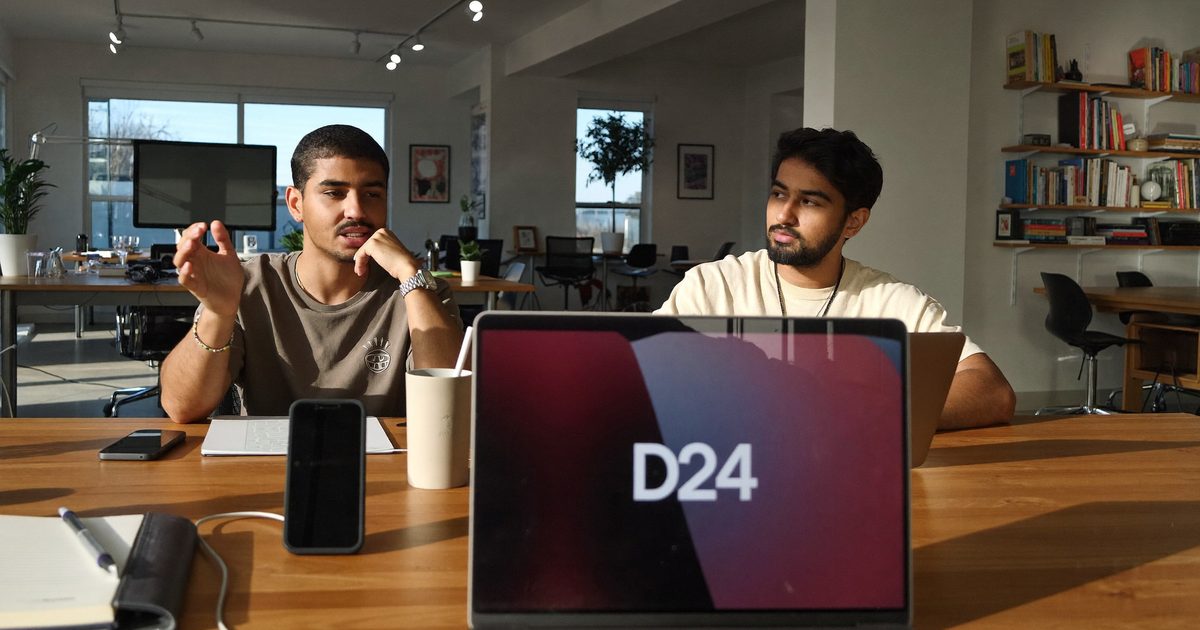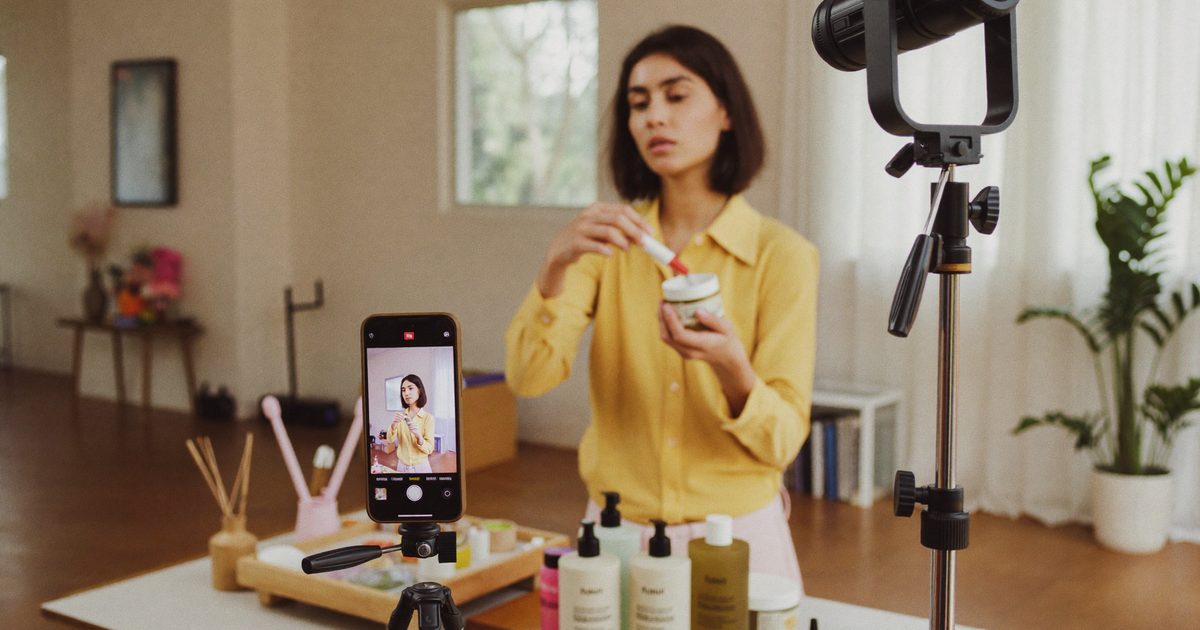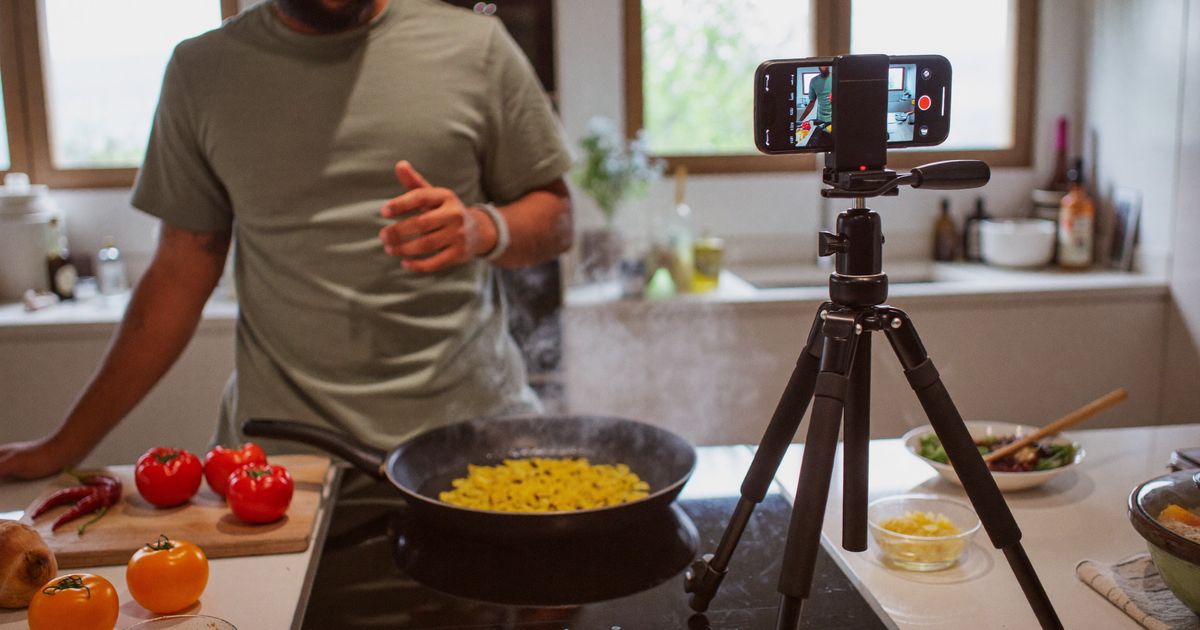
A packaged makhana brand from Bengaluru came to us nine months ago with a shelf presence in three cities and a D2C website that was converting at under 0.8%. They had a polished brand video, shot in a studio, perfectly lit, with a voiceover that explained the Ayurvedic heritage of their ingredients. It was going nowhere. What they needed was not better production values. What they needed was someone's actual kitchen.
Food and beverage is one of the most demanding categories we work in, for a specific reason: the category lives or dies on sensory trust. A viewer needs to believe the food tastes good before they will part with money for it, and no brand-produced visual has ever communicated that as effectively as watching a real person eat it on camera. Here is how we actually approach building a UGC engine for F&B brands in India, from initial brief through to paid amplification.
Why F&B Briefs Have to Be Written Differently
Most content briefs we receive from F&B brands focus on claims: high-protein, no added sugar, cold-pressed, small-batch. That information belongs in the video, but it cannot be the spine of the brief. When we write a creator brief for a food or beverage product, the brief is organised around three sensory anchors first: sight (what does the product look like being opened, poured, plated, or eaten?), sound (the crunch, fizz, or pour moment, critical for snack and beverage categories), and context (when in the day does this person actually eat this, and where?). Claims follow naturally from there.
For a Mumbai-based cold-pressed juice brand, our brief specified exactly this: the creator opens the bottle on camera, we want the cap pop audible, takes the first sip before saying a single word, shows a visible reaction, then talks. That structure works because it reverse-engineers the doubt every viewer carries: does it actually taste good, or is the brand just saying it does?
- Language layering: For brands targeting Tier-cities across India (Jaipur, Coimbatore, Nagpur, Bhubaneswar), we brief creators in their native language, Hindi, Tamil, Marathi, Odia, not as an afterthought but as the primary format. A bilingual creator based in Coimbatore talking about a local snack brand in Tamil with English product names embedded naturally outperforms a generic Hindi reel in that market by a significant margin.
- No scripted superlatives: ASCI's guidelines on endorsements require that any performance claim made in a paid endorsement must be truthful and not mislead by omission. We remove phrases like "best I've ever tasted" or comparative claims ("better than X brand") unless the client has substantiation. Creators are briefed to share genuine reactions; if they don't like the product, we find out in testing before the final shoot rather than on a published video that could attract a complaint.
- Recipe and occasion formats: For cooking ingredients, spice blends, and health staples, we always include at least one recipe-format video per batch, not because it is trendy but because it inserts the product into a credible use-case and adds rewatch value. A creator in Delhi making weekend rajma with a specific chilli brand creates an association that a talking-head testimonial never could.
Creator Selection in the F&B Category: What We Actually Screen For
Follower count is the least useful criterion we use when casting for food and beverage clients. The real filters, in order of importance, are:
- Kitchen footage comfort: Can the creator hold the phone in one hand, cook or plate with the other, and stay in frame? We ask for one piece of prior kitchen or dining content before signing anyone for F&B work. Creators who have never filmed food before produce stilted results regardless of how large their audience is.
- Audience geography: For a Kerala-based coconut oil brand, a creator in Thrissur with 18,000 followers and a local audience is worth more than a pan-India food influencer with 300,000 followers in metros. We map creator audience location against the brand's distribution footprint before shortlisting.
- Content velocity: F&B brands need volume, typically 8–15 assets per month to sustain campaign testing. We prioritise creators who have published at least 3–4 reels or Shorts per week consistently, not those who post high-quality content once a fortnight. Reliability is underrated in this category.
- Dietary alignment: For vegan, Jain, or keto-positioned products, the creator's existing content should already signal credibility in that space. A non-vegetarian food creator promoting a sattvic snack brand carries an implicit contradiction that audiences notice even if they don't articulate it.
For a Hyderabad-based functional beverage startup, we ran a casting round across 40 creators, shortlisted 9 based on the above filters, and ultimately worked with 6 across the first batch. The two we dropped after test shoots produced technically fine content that simply lacked the visceral eating energy the brief required, a subjective call, but one that matters enormously in this category.
Platform and Format Decisions for Indian F&B UGC
Instagram Reels and YouTube Shorts are the workhorses for F&B UGC in India right now. For brands with a strong vernacular angle (regional sweets, traditional pickles, specialty flours), YouTube Shorts often outperforms Reels because YouTube's recommendation algorithm surfaces content to people already watching cooking and food content, creating a warm-audience effect that Instagram's explore tab does not replicate as reliably.
Meta's paid amplification infrastructure is where most of our F&B clients allocate media budget, running creator videos as Spark-equivalent dark posts (boosted directly through the creator's handle or via whitelisting) consistently outperforms brand-page-posted creative in the food category. We typically see CPMs of Rs. 60–120 on these formats for Indian F&B audiences, with cost-per-add-to-cart running between Rs. 80 and Rs. 220 depending on product price point and audience segment.
- Reels (0:15–0:45): Best for snack, beverage, and ready-to-eat products where the eating moment is the hook. First 2 seconds must show the product in use, not a pack shot, not a logo.
- YouTube Shorts (0:30–0:59): Stronger for recipe-led content and health/wellness positioned products where the viewer needs slightly more context. A 45-second "morning routine" Short for a protein powder brand works on YouTube in a way that it does not sustain attention on Instagram.
- Instagram Stories (creator-shared, brand-boosted): Effective for limited-time offers and discount codes; the swipe-up conversion path is still one of the cleaner direct-response flows for F&B D2C.
- WhatsApp Status: Brands with strong WhatsApp-based customer communities (common in regional FMCG and D2C health food brands) can distribute creator content through Status natively. This is not a paid amplification channel but works well for retention and repeat purchase nudges.
The Compliance Layer: ASCI, Claims, and Food Safety
This is the section most agencies skip in a content brief, and it is the section that causes the most problems. The Advertising Standards Council of India's guidelines on health and nutrition claims are specific: any claim about weight loss, disease prevention, or therapeutic benefit must be supported by evidence, and endorsers are required to have used the product. For F&B brands, especially the functional and health food segment that is most active in UGC marketing right now, this matters in practice.
We include a one-page compliance checklist in every F&B creator brief. Forbidden without client-supplied substantiation: comparative claims, disease-specific claims (e.g., "helps manage diabetes"), unqualified "natural" or "organic" labels, and before/after transformation claims. This is not overcaution, ASCI complaints in the food and health supplement category have increased, and a viral video that triggers a complaint creates far more cleanup work than getting the brief right upfront.
Creators are also required to disclose paid partnerships using #Ad or #Sponsored in the caption. We build this into the deliverable checklist and verify before approving final posts for paid amplification. ASCI's influencer disclosure guidelines, updated in 2021, apply regardless of follower count, a 5,000-follower creator posting a paid F&B endorsement without disclosure is in violation just as a celebrity would be.
Volume Planning and Cost Reality for F&B Brands
A meaningful UGC campaign in the Indian F&B category requires enough creative volume to test across audiences, formats, and hooks simultaneously. Based on our current production structure, here is what the cost landscape looks like:
- Starter batch (8–10 videos, 2–3 creators): Typically Rs. 60,000–85,000 in production fees, suitable for a single product or SKU with one target audience segment. Adequate for initial creative testing before paid scale-up.
- Growth batch (15–20 videos, 5–7 creators, multiple languages): Rs. 1,20,000–2,00,000. This is where most active D2C F&B brands operate once they have validated their first batch and are ready to test regional markets or new occasions.
- Ongoing retainer (20+ assets/month, iterative briefing based on ad account data): Rs. 2,50,000+ per month. At this tier, creator briefs are updated every two weeks based on what is performing in Meta and Google campaigns, we retire hooks that are not driving conversions and double down on formats that are.
Product sampling is a real line item that brands often underestimate. Getting product to 10 creators across Chennai, Kolkata, Pune, and Lucknow, including perishables that need cold shipping, can run Rs. 8,000–20,000 in logistics alone. We flag this in the first scoping call so it does not become a surprise mid-campaign.
What Separates Campaigns That Scale from Ones That Plateau
The F&B brands that successfully scale UGC programs share one structural habit: they feed ad performance data back into creative decisions within 10–14 days of launching a batch. A brand that waits 45 days to "see how the content does" before briefing the next round loses the compounding advantage that rapid iteration creates.
Concretely, this means: if the 15-second crunch-hook reel is generating 3x the click-through rate of the recipe-format video, the next brief should produce five variations of the crunch-hook across different creators, contexts (office snack, post-gym, late night), and product variants. This is not guesswork, it is the same feedback loop that performance marketing teams use for static creative, applied to video production.
The other variable is creator diversity. A single creator "voice" for a brand creates dependence and eventual audience fatigue. We build F&B programs with a minimum of four creators per active month, ensuring that the brand's presence in the feed feels like social proof from multiple independent people rather than a recurring sponsorship from one.
If you are a food or beverage brand planning a UGC program, whether you are launching a new SKU, expanding from metro to Tier-2 markets, or scaling a D2C operation that has outgrown its first round of influencer posts, we can build the production and compliance framework around your specific growth stage. See our current pricing plans or book a scoping call to walk through what a first batch would look like for your category.