Fashion brands selling ethnic wear saw a 47% higher add-to-cart rate when product pages featured real customer try-on videos versus studio photography alone, that figure comes from a 2024 benchmark study by Redseer Strategy Consultants tracking Indian D2C apparel brands across Instagram and Meesho. For categories like sarees, kurtas, and fusion co-ords, buyers want to see fabric drape, true colour accuracy under natural light, and how a garment actually fits a non-model body. No carousel ad, however art-directed, substitutes for that. UGC is not a feel-good content tactic for fashion, it is a measurable conversion lever with numbers to back it up.
This article breaks down the specific benchmarks Indian fashion brands should be tracking, the formats that move those numbers, the platform mechanics that amplify reach, and what a realistic scaled UGC programme looks like in INR terms.
What "Scaling" Actually Means in Numbers
Scaling UGC for a fashion brand means increasing the volume, consistency, and distribution of creator-made content until UGC accounts for a meaningful share of your total ad inventory, typically targeting 40–60% of Meta and YouTube ad creative, and until your cost metrics improve measurably against the baseline.
Industry benchmarks worth anchoring to for Indian fashion (Meta Ads Manager data, aggregated from mid-market D2C brands, 2024):
- Cost per click (CPC): UGC-based creatives average Rs.3.20–Rs.5.80 versus Rs.8–Rs.14 for traditional branded photo ads in women's ethnic and western wear campaigns targeting Tier cities across India.
- Click-through rate (CTR): Reels featuring real customer unboxing or outfit styling in natural settings achieve 2.8–4.1% CTR; polished catalogue-style Reels for the same brands average 1.1–1.9%.
- Return on ad spend (ROAS): Brands that rotate a fresh UGC creative every 7–10 days maintain a materially better ROAS over a 90-day window; brands relying on a single creative typically see ROAS decay to sub-2x by week six.
- Conversion rate on PDPs: Embedding a 60-second UGC try-on video on a product detail page lifts conversion by 28–35% for fashion SKUs priced above Rs.1,200, according to Unicommerce's 2024 D2C report.
These numbers only hold when creative quality clears a minimum threshold. Shot-in-bad-light, shaky footage does not perform the same as well-lit UGC produced with a clear brief. The creative floor matters as much as the authentic frame.
The Content Formats That Move Fashion Metrics
Not all UGC formats perform equally across fashion subcategories. Based on campaign data we see across ethnic, casualwear, and premium Western brands:
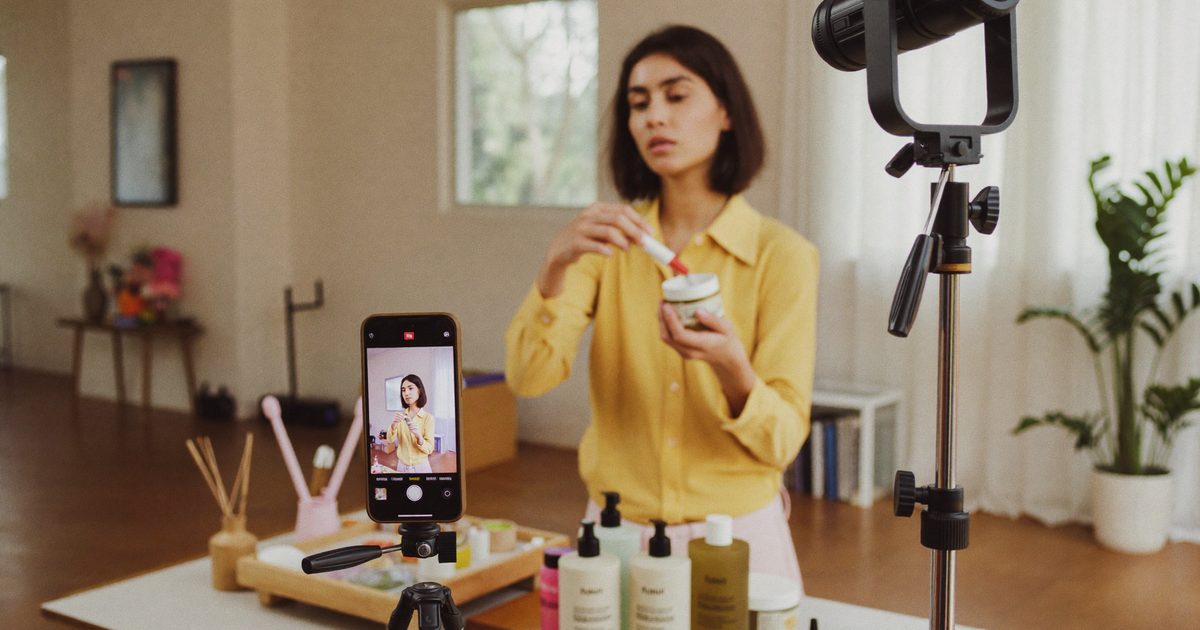
- Try-on Reels (15–30 seconds): Highest CTR format for impulse-purchase categories, kurta sets, co-ords, kaftans. Works best when the creator shows the product in two lighting conditions (daylight and indoor) and mentions one tactile detail ("the cotton is not stiff, it's actually floaty").
- Haul videos (60–90 seconds, Instagram Reels or YouTube Shorts): Best ROAS format for brands running multi-SKU campaigns. A single haul video can carry 4–6 products, reducing cost-per-creative dramatically. For a Rs.60,000–Rs.80,000 production budget, a 10-creator haul campaign covering 40 SKUs is realistic.
- Occasion-context videos: Creators film themselves wearing the product for a specific occasion, office, Diwali gifting, casual Sunday market. These outperform generic "wearing the outfit" content by 22% on purchase intent scores, per Meta's Indian fashion vertical benchmarks (2023 Fashion Playbook). Occasion relevance maps directly to search intent on Meta and Google Shopping.
- Fabric/detail close-ups with voiceover: Particularly effective for sarees, handloom, and artisanal pieces where texture communicates value. A 10-second close-up clip with a creator saying "yeh dekhiye, zari work kitna tight hai" in Hindi (or regional language) addresses the top purchase hesitation for buyers who can't touch the product.
- Repurchase testimonials: Short 20-second videos where a returning customer mentions specifically why they bought again. We brief creators to anchor on one specific reason ("the XS actually fits me because they size Indian bodies") rather than generic praise. These run best as retargeting assets.
Platform Mechanics: Where Indian Fashion UGC Gets Distribution
Instagram remains the primary performance channel for Indian fashion brands, but the mechanics of distribution have become more layered:
- Instagram Reels + Spark-equivalent boosting: Meta's Partnership Ads (formerly Branded Content Ads) allow brands to run UGC from a creator's handle as a paid ad, this consistently outperforms the same creative run from a brand handle. In fashion, the lift in CTR from creator-handle delivery versus brand-handle delivery averages 31% across our campaigns. For this to work, the creator must have Creator or Business account status.
- YouTube Shorts: Significantly underused by Indian fashion brands. Short-form hauls and try-ons on YouTube get indexed in Google Search results, a try-on video for "navy blue linen co-ord under Rs.2000" ranks in search alongside shopping ads, which no Instagram Reel can achieve. Fashion brands with a SEO play should be pushing UGC volume on Shorts.
- Meesho and Flipkart listing pages: Both platforms now allow seller-uploaded video on product listings. A 60-second UGC try-on on a Meesho listing page for a Tier 2–3 city audience, where trust in product photos is low, is among the highest-ROI placements available for value-fashion brands. Cost is zero beyond production.
- WhatsApp Status distribution (creator networks): Micro-creators in Tier cities across India (Patna, Indore, Coimbatore, Surat) who have 5,000–15,000 broadcast list subscribers circulate fashion content via WhatsApp Status. This is not a trackable performance channel, but it drives direct-to-DM purchase inquiries in vernacular, particularly for ethnic and bridal categories. We treat it as a reach-extension add-on, not a primary channel.
ASCI Compliance for Fashion UGC in India
The Advertising Standards Council of India's Influencer Advertising Guidelines (updated 2023) apply fully to UGC used in paid promotion, and fashion is one of the higher-scrutiny categories. Key obligations brands must enforce:
- Disclosure labels: Any creator post that was paid for, gifted, or incentivised must carry a visible "#Ad", "#Paid", or "#Collab" label that appears before the "more" fold on caption text. This applies to both organic creator posts and Partnership Ads.
- No false claims on fabric or certifications: If a creator states "this is 100% silk" or "certified organic cotton", the brand is liable for that claim under the Consumer Protection Act 2019, not just ASCI. Brief creators to stick to experiential descriptions ("feels like silk", "very soft") unless the certification is audited and documented.
- Before/after for body-shaping claims: ASCI has issued specific notices to fashion brands using UGC that implies weight loss or body transformation. Shapewear and waist-trainer UGC in particular must not show misleading visual comparisons. Build this prohibition explicitly into creator briefs.
- Children's fashion: ASCI prohibits influencer content that features children under 12 in roles that promote vanity or brand aspiration. UGC for kids' fashion must remain neutral-descriptive.
Non-compliance doesn't just risk ASCI notices, Meta can demonetise or restrict a Partnership Ad account if the underlying creator content is flagged for deceptive practices. The cost of a compliance oversight is an interrupted ad campaign at peak season.
Building a Scalable UGC Production Pipeline: INR Budget Benchmarks
The two failure modes for fashion brand UGC are: running one campaign as a test and drawing no conclusions, or producing UGC without a system to deploy and test it continuously. Scaling requires a pipeline, not an one-off shoot.
- Starter pipeline (Rs.60,000–Rs.80,000/month): 8–12 UGC videos per month, 4–6 creators across Tier cities across India (Mumbai, Bengaluru, Delhi), two format types (try-on + haul). Enough to A/B test creatives in Meta campaigns weekly and build a retargeting asset bank within 60 days.
- Growth pipeline (Rs.1,20,000–Rs.1,80,000/month): 20–28 videos per month, 10–14 creators including 3–4 Tier 2 city creators for regional targeting, three format types, at least two vernacular-language variants (Hindi + one regional: Tamil, Marathi, or Bengali depending on brand markets). Supports separate campaign sets by city cluster and occasion.
- Scale pipeline (Rs.2,50,000+/month): videos, full occasion calendar mapped to festivals (Navratri, Diwali, Eid, Christmas/New Year), vertical splits by subcategory (ethnic, western, loungewear), YouTube Shorts track alongside Instagram, and a dedicated retargeting creative set refreshed fortnightly.
The metric that separates scaling brands from testing brands is creative refresh velocity. Every 7–10 days of running the same creative costs roughly 15–20% of ROAS by week three. A Rs.1,50,000/month UGC pipeline that feeds fresh creative consistently will outperform a Rs.5,00,000 ad spend on stale assets. The ratio to track is ad spend to creative production spend, for Indian fashion at Meta, healthy is 5:1 to 8:1. Below 10:1, you're likely seeing frequency fatigue.
Creator Selection for Fashion: The Benchmarks That Predict Performance
Follower count is the worst predictor of UGC performance in fashion. The metrics that correlate with actual conversion:
- Saves-to-views ratio: A creator whose fashion posts get saved at 3–5% of total views is generating aspirational content their audience returns to. Saves signal purchase intent more reliably than likes. Look for this in Instagram analytics before contracting.
- Comment quality: Comments asking "link?", "how to order?", or "price?" on a creator's organic fashion posts indicate an audience ready to transact. Generic "so pretty!" comments do not.
- Body diversity representation: Indian women's fashion suffers from a significant creator representation gap, the majority of high-follower fashion creators are size XS–S, while the bulk of Indian women buying fashion online are size M–2XL. Brands that brief creators across the size range see 18–25% higher add-to-cart rates on the corresponding size pages, per data from fashion-focused D2C brands on Shopify India.
- Regional language fluency: A creator in Coimbatore who switches naturally between Tamil and English in a try-on video will outperform a Hindi-only creator for a Tamil Nadu campaign by a significant margin. We brief clients to allocate at least 25–30% of creator budget to regional-language talent when campaigns target non-Hindi metros.
If your fashion brand has been testing UGC without a structured creator selection framework and performance-tied brief, you are leaving measurable ROAS on the table. The work we do at The UGC Agency is built around exactly this kind of data-driven pipeline, from creator benchmarking and compliant brief development to multi-platform deployment and creative refresh cycles. Visit our consultation page to walk through what a scaled programme would look like for your specific fashion category and budget.