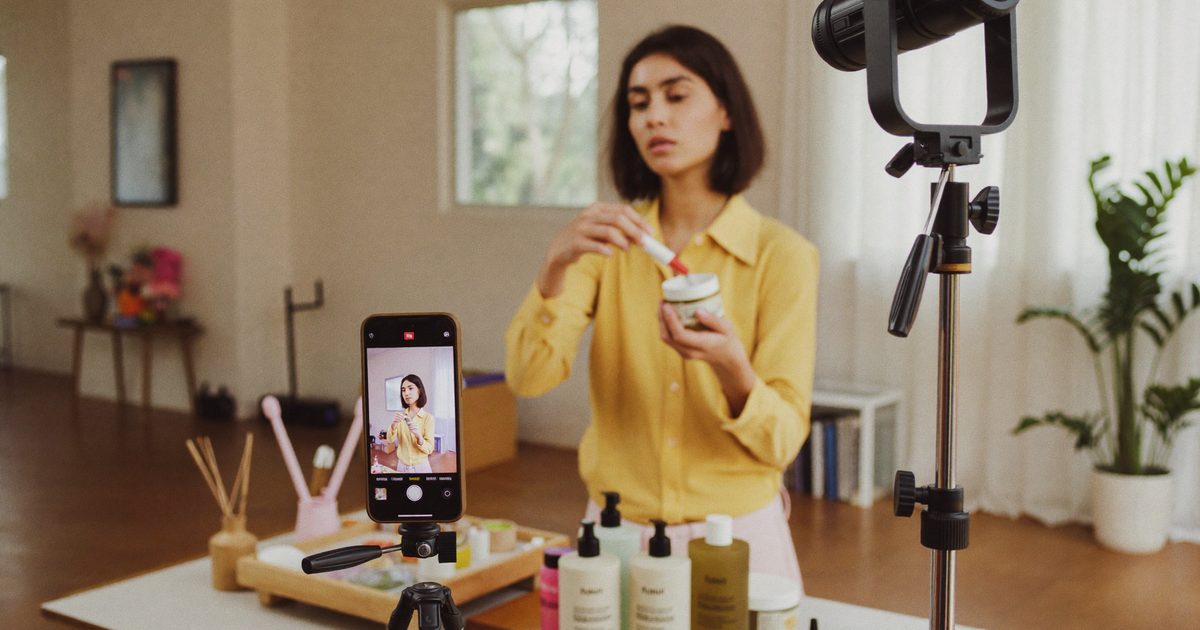
A new mother in Pune scrolling Instagram at 2 a.m. isn't looking for a polished ad, she's looking for someone who has been there. A tired parent trusts another tired parent, not a celebrity with a spotless studio background. That is the quiet advantage that baby product brands in India have when they embrace user-generated content: the audience already wants the authentic voice, and UGC is exactly how you deliver it.
But "just ask customers to post" is not a strategy. This guide walks you through how UGC actually works for baby products, what content to create, which creators to find, what platforms to run it on, how to stay compliant with Indian advertising rules, and what realistic budgets look like when you're starting out.
Why Baby Products Are Uniquely Suited to UGC
Buying decisions in the baby category are driven almost entirely by trust. Parents, especially first-time parents, do intensive research before choosing a diaper brand, a baby food, or a skincare product for their newborn. They read WhatsApp group recommendations, watch reels from mom creators, and trust reviews on Meesho and FirstCry more than a brand's own website copy.
This trust economy is not incidental; it's structural. FMCG baby brands like MamaEarth, Chicco India, and Himalaya BabyKare have all leaned into organic testimonials and creator content because the purchase journey demands social proof. A 30-second reel of a real mother showing how she uses a baby massage oil during her nightly routine converts far better than a static carousel with ingredient lists.
- High-consideration purchases: Parents research for weeks before switching brands, so content that answers real questions ("Is this safe for newborns?" "Does it cause rash?") moves people through the funnel efficiently.
- Community-driven discovery: Baby parenting groups on Facebook and WhatsApp are extremely active in Tier 1 and Tier cities across India. UGC that gets shared in these groups is essentially free distribution.
- Regional language depth: A Tamil mother in Chennai or a Gujarati family in Surat responds better to content in her language. UGC creators naturally produce in their mother tongue, giving brands regional reach that Hindi-only campaigns miss entirely.
What Types of UGC Work Best in This Category
Not all UGC formats perform equally. In our production work with FMCG and D2C baby brands, the formats that consistently drive engagement and attributed traffic are:
- Routine walkthroughs: A 45–60 second reel where a real parent shows their morning or bedtime routine with the product. No script that sounds like a script. The creator talks while doing, bathing the baby, applying lotion, preparing the feed. This format works because it is contextual; viewers see the product in actual use, not in an isolation shot.
- Before-and-after testimonials: Particularly effective for baby skincare (rash creams, eczema oils, cradle cap treatments). A creator shows the issue on day one, gives an honest update at one week, and closes with a two-week result. ASCI's guidelines require that such testimonials be truthful and reflect the genuine experience of the endorser, brands must have documentation and cannot instruct creators to claim outcomes the product cannot deliver.
- Problem-solution shorts: Thirty seconds addressing a single pain point ("My baby kept scratching at night, here's what worked"). These perform well as paid ads because they are highly searchable and match what parents are already looking for.
- Unboxing and first-use reactions: Genuine surprise or approval on camera builds trust. Instruct creators to show the packaging, the smell, the texture, sensory details that parents cannot get from a product page.
- Side-by-side comparisons: A creator comparing their old brand to your product in terms of lather, scent, or rash frequency. These must be factually accurate; ASCI requires that comparative claims be substantiated and not denigrate the competitor unfairly.
Finding the Right Creators for Baby Content
The best creators for this category are real parents, not aspirational lifestyle influencers. A nano-creator (1,000–10,000 followers) who genuinely has a 6-month-old and posts about parenting life will almost always outperform a generic beauty creator with 200K followers who posts one sponsored baby video among twenty makeup tutorials.
Where to find them in India:
- Instagram: Search hashtags like #indianmomblogger, #newmomlife, #babycareindia, #momofinstagram. Filter for accounts with consistent posting, high comment-to-like ratios, and genuine engagement (real questions from followers, not just emoji replies).
- YouTube: Parenting vlogs in regional languages, Tamil, Telugu, Kannada, Bengali, are underserved by most baby brands and highly trusted. A Bengaluru mom's Bengali-language baby care channel with 8,000 subscribers is more targeted than a Hindi lifestyle channel with 100,000 general followers.
- Facebook parenting groups: Groups like "Indian Mom's Network" or city-specific groups (Mumbai Moms, Delhi Parents Connect) often have members willing to review products in exchange for samples. These posts appear organic within a trusted community context.
We brief creators in this category to avoid over-produced aesthetics. Soft natural light in a real home, a real baby (with parent's comfort and proper permissions), and conversational delivery matter more than colour-graded cinematic footage. Parents can immediately spot when a creator doesn't actually have a child, and that kills trust instantly.
Platform Strategy: Where to Distribute Baby UGC
Instagram Reels is the primary organic and paid distribution surface for baby product UGC in India right now. The platform's algorithm favours short-form video, and Meta's ad targeting allows you to reach parents by life stage (new parents, expecting parents) and interest clusters. For paid campaigns, whitelisted UGC, where you run a creator's video as a dark post through your ad account, consistently shows lower CPMs than brand-produced creative.
YouTube Shorts is underutilised by baby brands and worth testing. Parents use YouTube to research (long-form how-to videos) and are increasingly discovering Shorts in the same session. A creator-made Short answering "how to treat newborn dry skin naturally" can rank in search and drive traffic to your DTC or FirstCry listing.
WhatsApp Status and broadcast lists work for re-engaging existing customers, if someone bought from your site, adding them to a WhatsApp broadcast and sharing authentic creator clips (short, 30-second) during festive seasons or for new product launches can drive repeat purchases at near-zero cost. Note that this is one-to-many broadcast, not public streaming; Indian parents are active on WhatsApp Status far more than any other Stories format.
Pinterest is quietly effective for baby product discovery. Indian parenting boards, baby nursery inspiration, and newborn care tips perform well in search. Static UGC images from creator shoots (with permission) can be pinned and drive steady organic traffic to product pages for months after the initial post.
ASCI Compliance: What Baby Brands Must Know
The baby and infant category carries higher regulatory scrutiny than general FMCG. The Advertising Standards Council of India (ASCI) and, for certain products, guidelines from the Ministry of Health (particularly around breast-milk substitutes under the IMS Act) impose real constraints that brands and creators must both understand.
- Disclosure is mandatory: ASCI's influencer guidelines (updated 2021) require that any paid or gifted endorsement be labelled clearly, #Ad, #Sponsored, or #Paid, in the first line of the caption, not buried after five hashtags. Brands are liable if their briefed creators don't disclose.
- Testimonials must be genuine: ASCI requires that endorsers have actually used the product and that their claims reflect real experience. For baby products specifically, any efficacy claim ("heals rash in 24 hours", "paediatrician-recommended") must be substantiated. We advise brands to collect creator feedback forms before publishing and keep records.
- IMS Act restrictions: For infant formula and complementary foods for babies under 2 years, advertising restrictions under the Infant Milk Substitutes (IMS) Act 1992 are strict. If your product falls in this category, engage a legal advisor before launching any UGC campaign, the Act restricts promotional activity to healthcare professionals and prohibits idealising bottle-feeding.
- Child safety in content: Creators showing their own children must have parental consent (if both parents are involved) and brands should not request content where an infant or child is in a potentially risky or undignified situation. ASCI holds brands accountable for content they commission.
Budgets and Getting Started: Realistic INR Numbers
One of the most common questions from early-stage D2C baby brands is: how much does this actually cost? Here is a grounded picture for the Indian market.
- Nano-creators (1K–10K followers): Typically work for product gifting plus Rs. 1,500–5,000 per video. A starter campaign of 10 creators for a new baby oil launch would cost Rs. 15,000–50,000 in creator fees plus product cost.
- Micro-creators (10K–100K followers): Rs. 5,000–25,000 per reel depending on niche depth and engagement quality. Mom creators with highly engaged parenting audiences are on the higher end.
- Content licensing for paid ads: If you want to whitelist a creator's video and run it as a Meta ad, negotiate usage rights upfront, typically an additional 20–40% on the creator fee for 90-day ad rights.
- Full UGC production package (agency-managed): Agencies like ours that handle brief creation, creator sourcing, filming, compliance review, and delivery typically start at Rs. 60,000 for a campaign package, which gets you 4–6 market-ready videos with usage rights.
The goal in the first 90 days is not viral, it is a library of 8–12 honest, well-briefed creator videos you can test as organic posts, as paid ad creatives, and as social proof on your product pages. That library is your foundation.
Baby product brands that approach UGC strategically, with the right creator profiles, compliant briefs, and a clear distribution plan, build lasting trust that paid media alone cannot manufacture. If you're a baby or parenting brand looking to launch your first UGC campaign or scale a programme that's already showing early results, book a free consultation and we'll help you map a plan built for the Indian market.