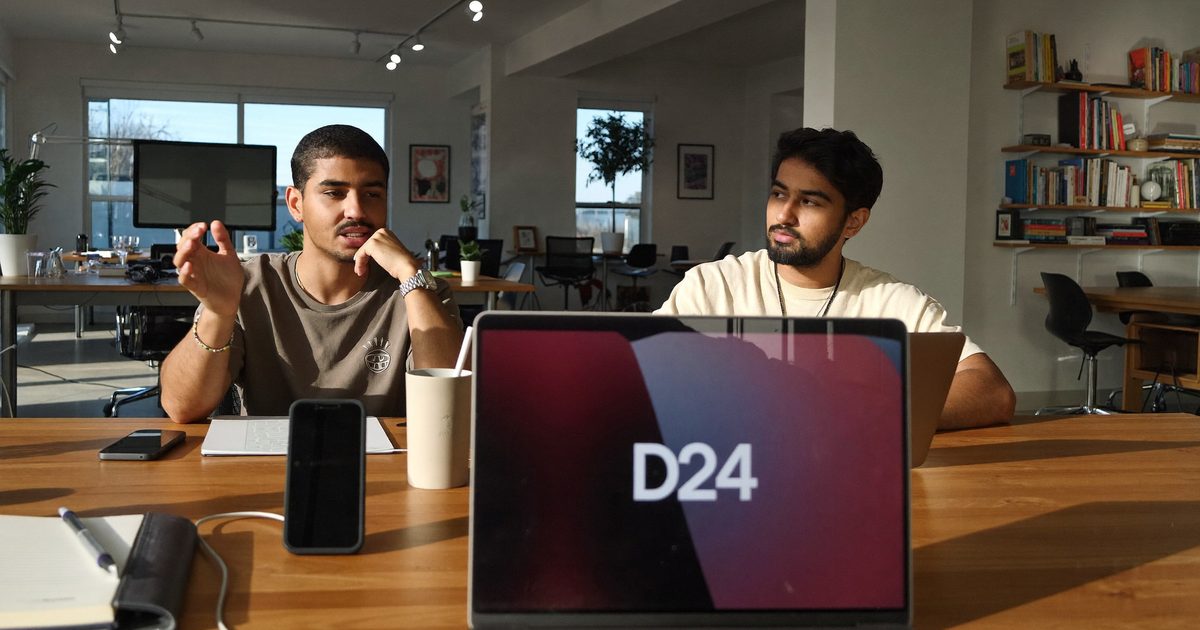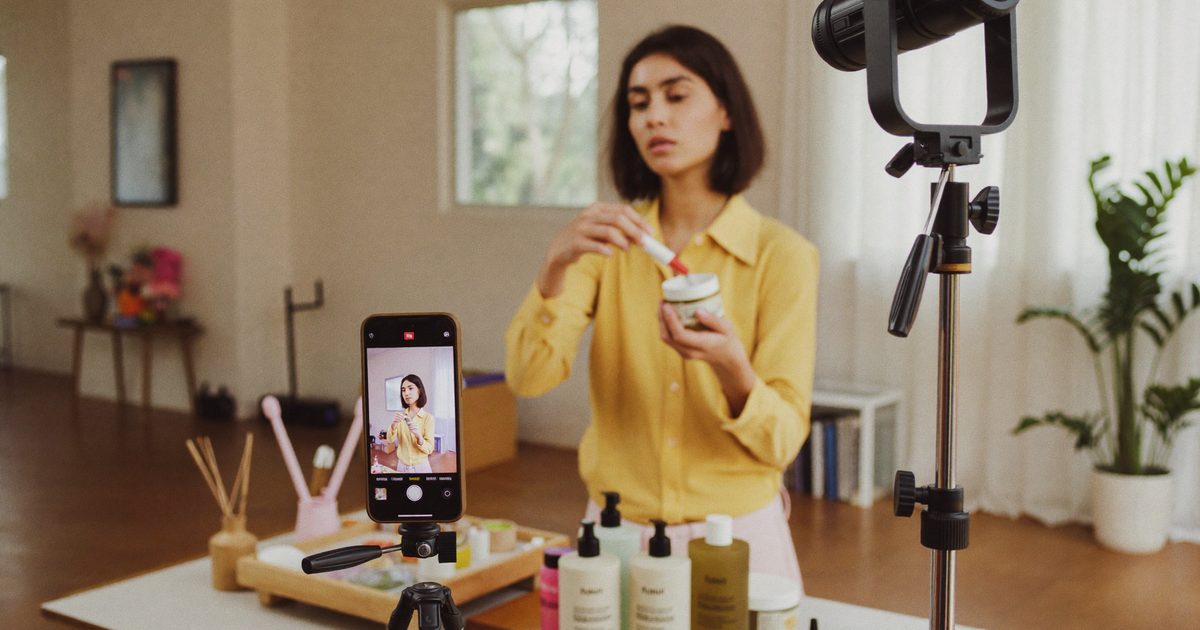
B2B brands in India have spent years building their marketing stacks around whitepapers, webinars, and LinkedIn thought-leadership posts, and for most of that time, those tools worked well enough. But procurement teams at mid-sized companies in Pune, manufacturing clusters in Surat, and SaaS buyers in Bengaluru are now doing something different: they watch a 90-second LinkedIn video of a logistics manager explaining how a warehouse software cut his error rate, and that video moves the needle more than any case-study PDF ever did. That is not anecdotal, it is a structural shift in how B2B trust is built in India, and it demands a different kind of content playbook.
This article is for marketing leaders who have already run one or two UGC pilots and want to scale the programme systematically. We will cover creator sourcing specific to B2B contexts, content formats that survive LinkedIn's algorithm, compliance with ASCI's 2023 disclosure guidelines, multi-language distribution across tier-2 buyer segments, and how to measure ROI in a long sales-cycle environment.
Reframe Who Your "Creator" Is in a B2B Context
Consumer UGC draws on lifestyle creators and micro-influencers. B2B UGC works differently: your best creators are often your existing customers, your power users, or subject-matter experts in adjacent roles. In our production work with SaaS and logistics brands, we have found three creator archetypes that consistently outperform generic influencers:
- The practitioner advocate, a mid-level professional (IT manager, procurement head, plant supervisor) who uses your product daily. They have zero follower count on LinkedIn but enormous credibility with peers. Offer a Rs. 3,000–8,000 honorarium per video plus a testimonial-use clause in a simple agreement.
- The customer-success interview, you brief a video-literate creator to conduct a structured 3-minute interview with your client on-site or via a Zoom recording. The creator handles the camera work; the client provides the substance. Cost: Rs. 8,000–15,000 per finished video.
- The vertical specialist, a creator with genuine domain knowledge (ex-supply chain consultant turned LinkedIn creator, a CA with an audience of CFOs) who can authentically contextualise your product. These creators in India typically charge Rs. 25,000–60,000 per post, but their follower quality is exceptional for B2B targeting.
Avoid briefing D2C lifestyle creators for B2B work, the audience mismatch is immediately visible and undermines the trust signal you are trying to build.
Formats That Actually Work on LinkedIn in 2025–26
LinkedIn remains the primary distribution layer for B2B UGC in India. Stories were retired in 2021 and are not an option. What is performing now:
- Native video (portrait or square, 60–120 seconds): LinkedIn's algorithm currently gives significant organic reach to videos that hold attention past the 30-second mark. A practitioner speaking directly to camera, framed against a real work environment, factory floor, server room, open-plan office, consistently outperforms studio-polished content in CTR for B2B audiences.
- Document carousels with embedded testimonials: A 6–8 slide PDF carousel where slide 1 is a customer quote and slides 2–5 contain the data behind it gets high "dwell time" and generates saves, which LinkedIn weights heavily in distribution.
- Short talking-head clips repurposed as YouTube Shorts or Instagram Reels: Particularly useful for reaching procurement managers who are also on Instagram. We brief creators to record a single 3-minute take, then edit out a 45-second clip for LinkedIn and a 30-second vertical cut for Instagram, two assets from one shoot.
- WhatsApp Business broadcast with video links: For B2B brands with an existing WhatsApp Business list (common among industrial-goods and fintech companies), a well-produced 90-second testimonial video shared via broadcast to a warm lead list has shown reply rates of 12–18% in campaigns we have supported, far above email benchmarks for the same audience.
ASCI Disclosure Rules: What B2B Brands Must Get Right
ASCI's 2023 influencer disclosure guidelines apply equally to B2B UGC. The key requirements your legal and marketing teams need to align on:
- Any creator or customer who receives payment, product access, or material benefit must disclose the relationship using the label "Paid Partnership," "Sponsored," or "Ad", clearly visible at the start of a video or at the top of a text post, not buried in hashtags.
- For video content: the disclosure must appear as an on-screen overlay during the first three seconds, not just in the caption.
- Employee-generated content (EGC) that promotes the employer's brand must also carry disclosure if the employee received any incentive for the post.
- B2B claims, especially quantified outcomes like "reduced costs by 30%" or "cut onboarding time by half", require substantiation on file. ASCI has escalated complaints against B2B software brands in 2024. Keep the underlying data (client-approved screenshots, contract metrics) in a shared folder your legal team can access immediately.
In a B2B context, the disclosure label is not just a compliance checkbox, it is a credibility signal. Buyers know they are watching a paid testimonial; the label confirms you are playing it straight, which actually increases trust in the content.
Localisation: Reaching Tier-2 Buyers in Their Language
A common scaling mistake is producing all UGC in English and assuming LinkedIn reach covers the target audience. For B2B brands selling into manufacturing, agriculture-tech, or regional retail chains, the decision-makers in Rajkot, Coimbatore, Nagpur, and Ludhiana often consume content in Gujarati, Tamil, Marathi, or Punjabi respectively.
A practical localisation system for B2B UGC at scale:
- Produce the primary asset in English or Hindi with the creator speaking to camera.
- Add regional-language subtitles using a professional translator, not auto-generated captions, for the LinkedIn and YouTube Shorts versions. Budget Rs. 1,500–3,000 per language per video for quality subtitle translation.
- For markets where the creator-advocate model works best (practitioner testimonials), source creators locally. A Coimbatore-based plant manager speaking in Tamil to a Tamil-medium audience is not just localisation, it is social proof from within the community.
- Localise the distribution too: LinkedIn allows you to target by geography and language. Running a Tamil-subtitled video to a Tamil Nadu B2B audience as a Sponsored Content post costs roughly Rs. 80–150 per click, often cheaper than an equivalent Hindi-language campaign targeting the same geography because competition is lower.
Building a Repeatable Production Pipeline
Scaling B2B UGC from a quarterly experiment to a monthly production rhythm requires systematising the chaos. The bottleneck is almost never budget, it is briefing, approval, and rights management.
- Standardise the brief template: For practitioner videos, the brief should specify: the specific outcome the creator should reference (not "tell us how you use the product"), the claim the legal team has pre-approved, the disclosure wording, the preferred hook format (question, stat, or contrarian statement), and the call-to-action at the end. A 1-page brief cuts filming time by 40% and reduces re-shoots.
- Build a rights-clearance clause into every agreement: For B2B content, you typically need usage rights for LinkedIn, YouTube, your website, sales decks, and email sequences. Get all of these in the initial agreement. Going back to a creator or customer three months later to expand rights is legally murky and practically difficult.
- Set a 5-business-day approval SLA with your client: The biggest production delay in B2B UGC is waiting for the featured client's communications or legal team to approve the video. Build a written 5-day approval window into your client contracts and send a draft watermarked link via email, not WhatsApp, so there is a timestamp record.
- Create a content inventory dashboard: Track each asset by creator type, format, language, product use-case, and stage in the buyer journey (awareness, consideration, decision). After six months of production, this inventory becomes your targeting matrix, you will know exactly which asset to surface at which stage for which segment.
Measuring ROI When Your Sales Cycle Is 90+ Days
Standard UGC metrics, views, engagement rate, shares, are necessary but insufficient for B2B brands with long sales cycles. Layer in these measurement approaches:
- Content-assisted pipeline attribution: Ask your CRM to tag every inbound lead with the last-touch content piece they interacted with before filling a form or booking a demo. After three months, you will see which UGC assets appear consistently in the paths of closed deals.
- Sales deck engagement: Embed your best customer testimonial videos into sales decks using a tool like Notion, Canva, or a dedicated video platform. Track which prospects clicked through to watch the video, this is a strong buying-intent signal your sales team can act on the same day.
- LinkedIn SSI (Social Selling Index) lift: For brands using UGC as part of an account-based marketing strategy, track whether your sales reps' connection request acceptance rates improve after they begin sharing UGC content. This is a proxy for brand-credibility improvement among target accounts.
- Cost-per-qualified-lead from UGC vs. other channels: For one B2B SaaS client in the HR-tech space, we benchmarked UGC-driven LinkedIn Sponsored Content at Rs. 1,400 per qualified lead against Rs. 3,800 for a comparable Google Search campaign. The gap narrows at scale, but UGC's compounding organic reach keeps the blended cost lower over time.
If you are ready to move from ad-hoc UGC experiments to a structured programme, with a creator pipeline, ASCI-compliant briefs, multi-language assets, and attribution set up from day one, talk to our team at The UGC Agency. We work with B2B brands across SaaS, logistics, fintech, and industrial sectors and can design a production roadmap that fits your sales cycle and buyer geography.