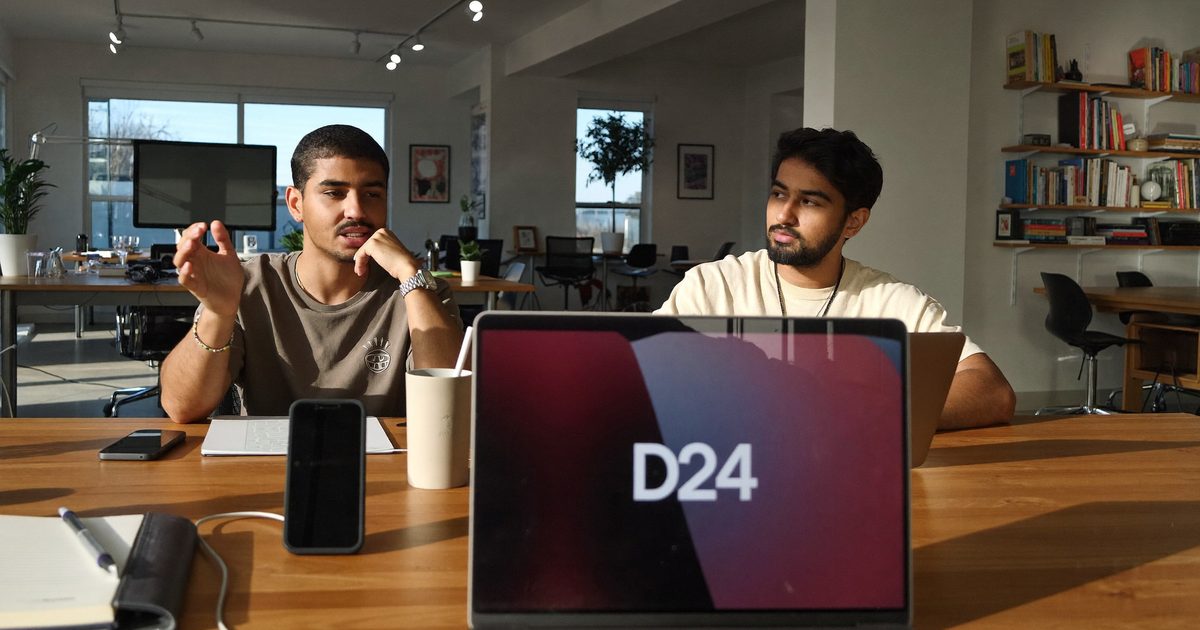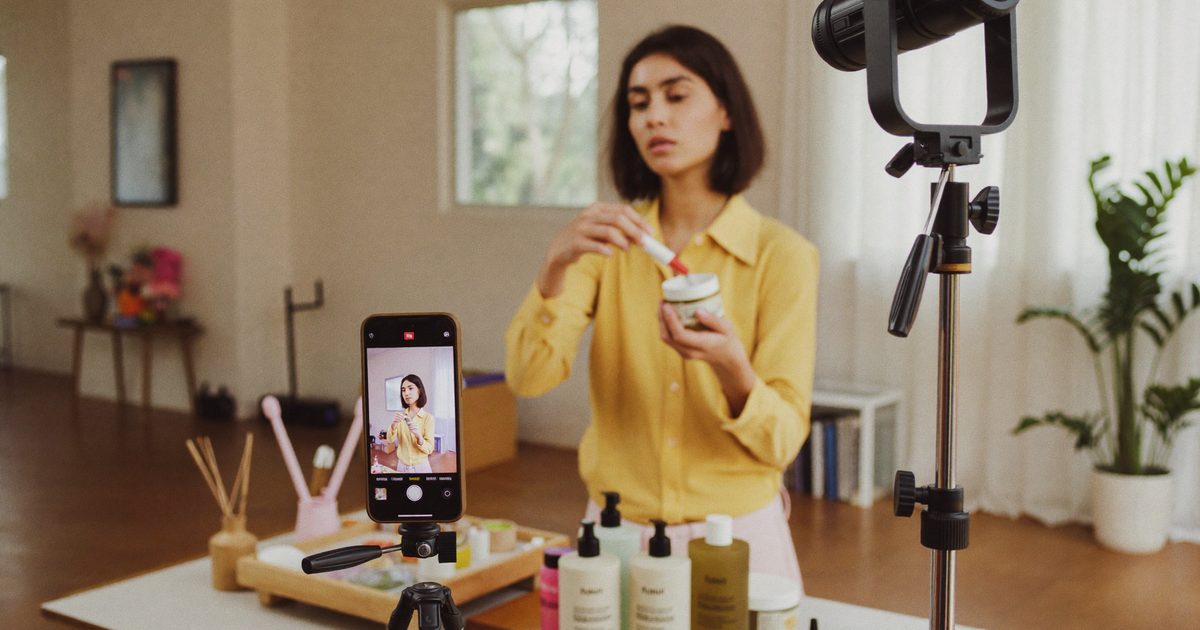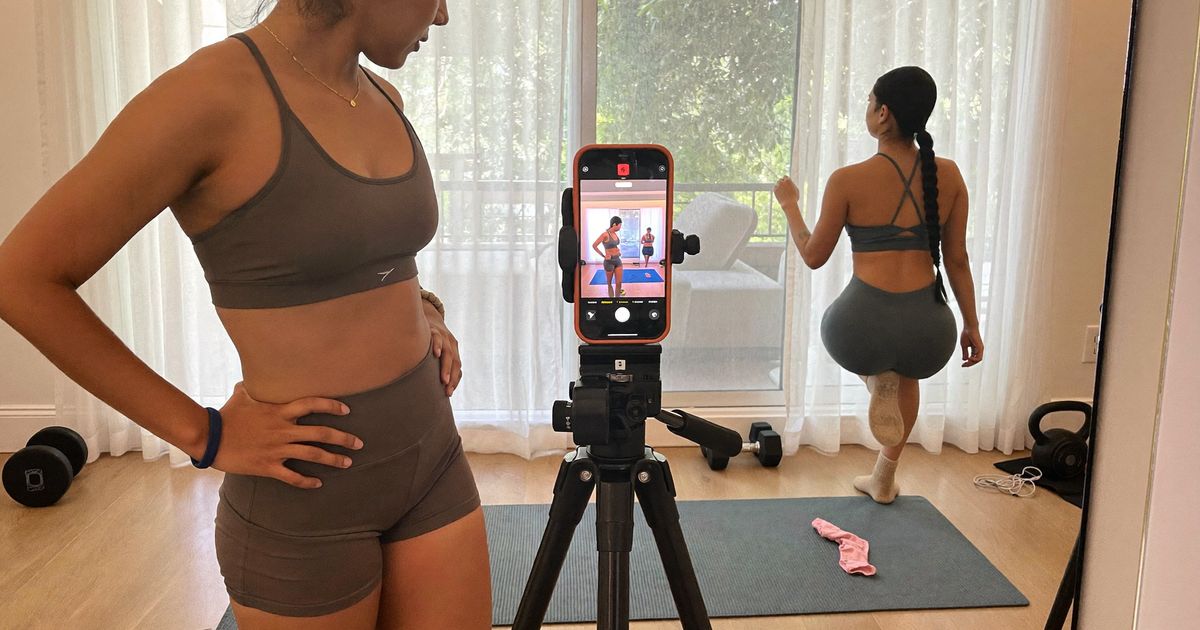
Wellness is one of the few categories in India where a single creator video, shot in someone's kitchen or bathroom, no studio lighting, can move product faster than a ₹50 lakh influencer campaign. But if your brand has been running UGC for six months or more and growth has plateaued, the problem is rarely the content itself. It is usually how that content is being deployed, iterated, and amplified once it leaves the creator's phone.
This is an advanced playbook. We assume you already have a creator roster, a content calendar, and some Meta ad results to show. The question is: what does the next level actually look like for a wellness brand operating in India?
Move from Content Collection to a Structured Creative Testing System
Most wellness brands use UGC reactively, brief a creator, receive a video, post it, repeat. Brands that scale use a structured creative testing matrix where each new batch of UGC is testing specific hypotheses.
The variables worth isolating for wellness products:
- Hook type: Problem-agitation ("I kept waking up at 3 a.m. with joint pain") vs. transformation-first ("Six weeks in, my dermatologist asked what I changed") vs. authority-borrow ("My nutritionist in Bangalore told me…")
- Format: Talking-head testimony vs. routine integration (creator actually using the product in their morning ritual) vs. reaction/unboxing vs. myth-busting
- Language and register: Hindi, Tamil, Bengali, and Hinglish are not interchangeable for wellness. Anxiety around gut health is discussed very differently in a Chennai kitchen versus a Gurugram apartment.
- Claim type: Functional ("helps reduce bloating within two weeks") vs. lifestyle ("fits into my postpartum recovery") vs. sensory ("doesn't have that bitter aftertaste every other ashwagandha does")
Brief each creator in a batch to cover one specific combination. When you run these as Meta ad creatives with identical targeting, the data tells you which hypothesis wins, not which creator is prettier.
ASCI Compliance Is Not Optional, Build It Into the Brief
The Advertising Standards Council of India (ASCI) overhauled its influencer guidelines in 2021 and has since tightened enforcement, particularly in health and wellness categories. If a creator makes a health claim in a video, even casually, and that video runs as a paid ad or is reposted by the brand, both the brand and the creator are liable.
For wellness brands, the non-negotiable disclosures and guardrails are:
- Any paid or gifted content must carry a visible #Ad or #Sponsored label at the beginning of the caption or within the first three seconds of a reel, not buried after "...more".
- Creators cannot claim a supplement "cures", "treats", or "prevents" any disease or condition. The brief must explicitly flag what language is off-limits, ayurvedic products often attract these violations because the category boundary between wellness and medicine is blurry.
- Before-and-after visuals are heavily scrutinised. If your brief asks for transformation narratives (which perform extremely well), instruct creators to frame changes as personal experience ("I noticed", "it felt like") rather than guaranteed outcome.
- For FSSAI-regulated products, claims must align with what is printed on the label. We build a one-page compliance sheet into every wellness client brief so creators are not guessing.
A single ASCI complaint can result in a public takedown notice, which surfaces in press searches and damages brand credibility far more than a poor ad metric ever would. Compliance is brand protection, not just legal box-ticking.
The Language Layering Strategy for National Reach
India's wellness market does not scale through English alone. A skincare brand that works in Mumbai's English-speaking DTC segment will hit a ceiling unless it produces content in at least two regional languages.
The practical approach is language layering rather than straight translation. For a given product, say, a women's hormonal health supplement, you would commission:
- A Hindi-medium creator in Delhi or Lucknow who frames the product around thakaan (fatigue) and work-life balance, speaking to a Tier 1/Tier 2 North Indian audience.
- A Tamil creator in Chennai or Coimbatore who ties the product to self-care after the first year of marriage, a context that resonates deeply in that market and carries specific emotional weight.
- A Marathi or Kannada creator for the Maharashtra/Karnataka markets, where direct-to-camera authenticity (no filters, natural lighting) outperforms polished content.
These are not dubbed versions of one script. They are culturally distinct pieces built around the same core claim. The incremental production cost on a per-video basis is typically ₹3,000–₹7,000 for a briefed nano or micro creator in Tier cities across India, far cheaper than adapting a studio-produced ad.
Repurpose Into the Full Funnel, Not Just Instagram Reels
Most wellness brands post a UGC reel, watch it get 40,000 views, and move on. The advanced move is treating each high-performing UGC video as a multi-surface asset.
- Meta ads (TOF and MOF): The same video can serve as a cold-audience acquisition reel and a retargeting ad with a different caption overlay. The creative is already tested; the targeting is what changes.
- YouTube Shorts: Wellness audiences actively research on YouTube. A 45-second creator video about probiotic benefits repurposed here picks up search-adjacent traffic you won't get on Instagram.
- WhatsApp Status and Broadcast Lists: For D2C brands with repeat purchase cycles (protein supplements, monthly skincare kits), short creator clips sent via WhatsApp broadcast to opted-in customers drive remarkable reorder rates. We have seen this work particularly well for brands targeting women 30–45 who are highly active on WhatsApp but less discoverable on Instagram.
- Product pages and landing pages: Embedding UGC video testimonials on a Shopify or WooCommerce product page, especially for anxiety, sleep, or weight management products where trust is a friction point, consistently improves conversion rates. The video does not need to be production-quality; the authenticity is the point.
- Google PMax asset groups: UGC thumbnails and short video clips can be uploaded directly into Performance Max campaigns. For wellness brands running Google Ads, this is still an underexploited advantage, most competitors are using stock images.
Build a Creator Retention Pipeline, Not a One-Off Roster
Wellness is a category where consistency of voice matters as much as reach. A creator who has been using your protein powder for four months can speak with a specificity and credibility no first-brief creator can fake, and audiences on Instagram and YouTube can tell the difference.
Structuring a retention system does not require large budgets. The mechanics that work:
- Monthly product supply: Sending the creator their monthly supply of the product (even if they are between paid briefs) keeps the product in their life and their content authentic when they do post organically.
- Milestone content: Brief creators at the 30-day, 60-day, and 90-day mark of product use. Each video builds on the last. The 90-day video is often your most powerful testimonial asset for cold-audience ads.
- Tiered exclusivity: For your top two or three performers, offer a modest exclusivity fee (₹5,000–₹15,000/month for nano-to-micro creators) in exchange for not promoting a direct competitor. This protects your creative investment without the complexity of a full brand ambassador contract.
Use Performance Data to Brief Backward, Then Brief Forward
Once you have three or more months of UGC ad data, the creative brief should be driven by that data, not by marketing intuition alone. The process:
- Pull your top five Meta ad creatives by hook rate (3-second video views divided by impressions) and hold rate (ThruPlay divided by impressions). These two metrics together tell you which openings are stopping scroll and which stories are sustaining attention.
- Identify the specific line or moment in the video that correlates with performance, often it is a single sentence in the first eight seconds. Brief your next creator batch to open with a variation on that proven hook rather than starting from scratch.
- Flag creatives with high hook rate but low hold rate, the opening is working but the middle is losing people. This usually means the creator takes too long to get to the product. Shorten the story arc in the brief: problem in seconds 0–5, product introduction by second 10, result or proof by second 25.
In our production work with wellness clients, briefing backward from performance data, rather than running brand new concepts each month, has consistently reduced the time it takes to find a winning creative. You stop guessing and start iterating.
Scale Paid Amplification Intelligently
Running the right UGC at the wrong budget level is one of the most common mistakes wellness brands make once they have strong creative. The principle for Indian D2C wellness: do not scale a creative before it has proven itself at a modest spend.
A practical framework:
- Start each new UGC creative at ₹500–₹800/day on Meta, targeting a cold audience (interest or lookalike). Run for five days minimum before making decisions.
- If hook rate exceeds 25% and cost-per-link-click is within your category benchmark (typically ₹4–₹10 for wellness on Meta), move the creative to a ₹2,000–₹3,000/day budget and broaden the audience slightly.
- Only escalate to ₹8,000–₹15,000/day once you have a ROAS signal that justifies it. Scaling too early burns budget on a creative that has not earned it and distorts your data for future testing.
- Rotate creatives at the first sign of frequency fatigue (frequency above 2.5 in a 7-day window for cold audiences) rather than waiting for ROAS to collapse.
If your brand is at the stage where these systems feel like the next logical step, building test matrices, structuring creator retention, or scaling UGC-backed paid campaigns, our team at The UGC Agency works with wellness brands to design and run exactly this kind of end-to-end operation. See our production packages or book a strategy call to talk through what a structured UGC programme could look like for your category and budget.