A solo traveller posts a 47-second reel from a houseboat in Alleppey, no brand logo, no voiceover, just golden hour light and a caption that says "not sure I'm going home." Within 48 hours, the property gets 600 DMs asking for booking details. The hotel spent nothing. That is customer content at work, and travel is the category where it hits hardest.
For travel brands in India, whether you run a boutique homestay in Coorg, an adventure camp in Manali, or a luxury tour package out of Mumbai, this guide explains exactly what customer content is, why it performs so well in this category, and how to build a repeatable system around it, even if you have never run a UGC campaign before.
What "Customer Content" Actually Means for Travel
Customer content, or user-generated content (UGC), is any photo, video, review, or story created by a real traveller, not your marketing team, that shows their genuine experience with your brand. In travel, this takes several forms:
- Organic social posts: A guest tags your property on Instagram or shares a reel on YouTube Shorts with their name visible. This is earned media and the most trusted kind.
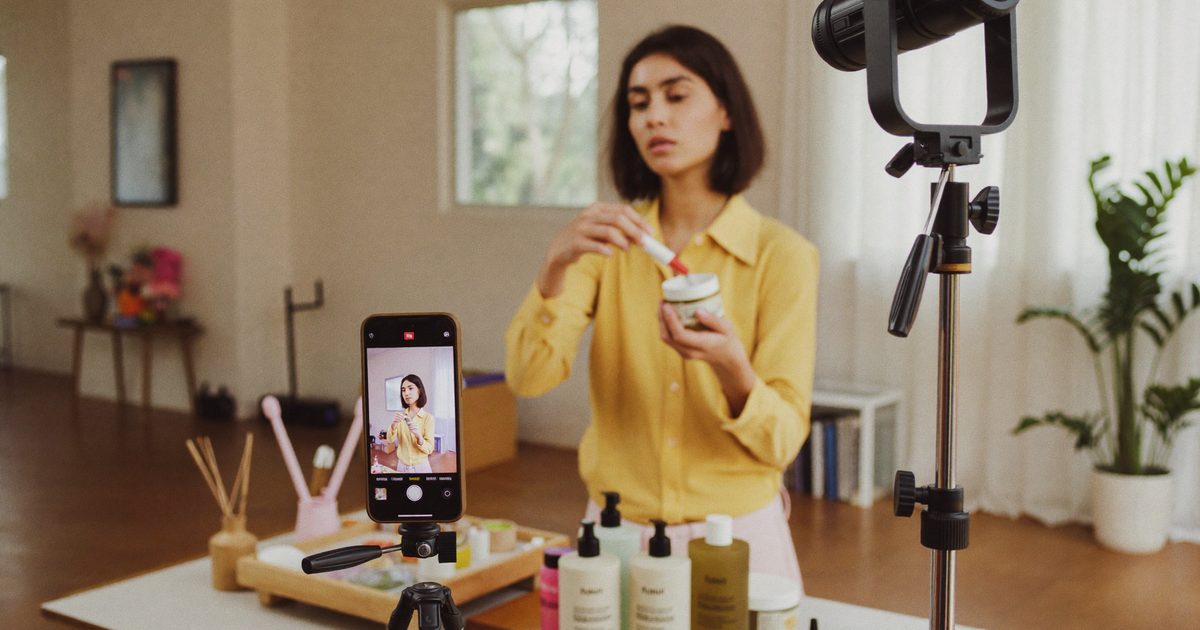
- Testimonial-style videos: A creator or real customer talks directly to the camera about their experience, what they expected, what surprised them, what they would tell a friend.
- Review content: Written or video reviews on Google Maps, MakeMyTrip, or TripAdvisor. These live on high-intent discovery platforms where purchase decisions are made.
- Creator-led UGC ads: A travel creator shoots content in your property or uses your service, but the footage is licensed to you as a paid ad, designed to look and feel like organic traveller content.
The fourth type is what agencies like ours produce at scale. It combines the authenticity of real traveller footage with the targeting precision of paid media, and it is the format growing fastest among travel brands spending on Meta and YouTube in India right now.
Why Travel Content Works Better When It Comes From Real People
Travel is an emotion-first purchase. Nobody books a trip because of a spec sheet. They book because they saw something that made them feel something, freedom, relaxation, belonging, adventure. A polished brand ad can deliver emotion, but it signals "this is what we want you to think." A real traveller's shaky-cam moment at Kedarnath or a genuine laugh at a cooking class in Jaipur signals "this is what actually happens."
There is also a practical trust gap that UGC closes. Indian travellers, particularly first-time bookers on premium packages, are deeply cautious about misrepresentation. They have been burned by glossy brochure photos that look nothing like the actual room. When they see someone who looks like them, a couple from Bengaluru, a group of friends from Hyderabad, posting real photos with geotags and booking receipts, that skepticism drops considerably.
Under ASCI guidelines, brands running paid endorsements must ensure that content is clearly labelled, creators must disclose paid partnerships. But authentic organic posts from actual guests carry no such asterisk in a viewer's mind, which is why building a pipeline for both organic UGC and properly-disclosed creator content matters.
The Four Formats That Drive Results for Indian Travel Brands
Not all content formats work equally. Based on what converts for travel brands on Indian-heavy platforms, these four formats consistently outperform:
- The "before and after expectation" reel (Instagram / YouTube Shorts): Creator shows what they assumed the experience would be, then cuts to what it actually was. Extremely watchable because it mirrors how real travellers think before booking. Works especially well for offbeat destinations in Northeast India or lesser-known beaches in Odisha where people have no mental reference.
- The itinerary breakdown video (YouTube long-form or Reels carousel): A traveller walks through a 3-day or 5-day itinerary with exact logistics, costs, and what worked or did not. This format ranks on Google and YouTube search, making it an evergreen acquisition asset for tour operators.
- The "this is not a sponsored post" testimonial: Short (30–60 seconds), direct-to-camera, spoken in the creator's own language, Hindi, Tamil, Malayalam, Bengali depending on the audience. In our production work, we brief creators to start with the most specific detail they remember rather than a generic opener, because specificity reads as genuine and generic reads as scripted.
- Regional-language story content (Instagram Stories / WhatsApp Status): A quick behind-the-scenes moment, breakfast served, a local market, a candid conversation with the homestay owner, posted in the creator's native language. Reaches the regional D2C traveller market that responds poorly to English-only content but books heavily on platforms like MakeMyTrip and ixigo.
Building a Simple UGC Pipeline: A Starter Framework
If you have never collected customer content systematically, the idea can feel vague. Here is a concrete starter framework you can implement without a large budget:
- Step 1, Create a prompt, not a request. Rather than asking guests to "share their experience," give them a specific prompt at check-in or departure: "If you had to tell one friend in 30 seconds why they should visit, what would you say?" A specific prompt produces specific content. Vague asks produce generic content.
- Step 2, Build a lightweight collection channel. Set up a dedicated hashtag for your property or brand. Add it to the welcome card, the wi-fi password card, and the thank-you email. Monitor it weekly and save any content posted.
- Step 3, Secure usage rights before repurposing. A DM reply saying "We love this, can we feature it on our page and in ads? We will credit you" is enough for organic repurposing on social. For paid ads, you need written permission, a simple reply in writing or an email confirmation. ASCI and Meta's ad policies both require that paid endorsements are disclosed, so if a guest's content runs as an ad, the ad itself should carry the brand disclaimer. Do not repurpose guest content as ads without explicit consent.
- Step 4, Incentivise without compromising authenticity. Offer a discount on a future booking, a small upgrade, or a feature on your main page. Avoid cash payments tied to specific review outcomes, ASCI rules on fake or incentivised reviews are strict, and review platforms like TripAdvisor actively suppress incentivised content when detected.
- Step 5, Supplement organic UGC with produced creator content. Real guest content is gold but unpredictable in volume and quality. Hiring a travel creator (rates in India typically range from Rs.8,000 to Rs.35,000 per deliverable for nano-to-mid-tier creators, depending on reach and exclusivity) to shoot a specific set of assets gives you consistent, licensable content that runs as paid ads without depending on guest availability.
Platforms and Where to Deploy Travel UGC in India
Not every platform serves the same travel audience. A quick map:
- Instagram Reels: Primary discovery platform for leisure travel in the 22–38 age group. Best for aspirational destination content and property showcases. Meta's ad system lets you run UGC creator videos with geo and interest targeting, highly effective for resort and adventure camp brands.
- YouTube (Shorts + long-form): The most important research platform for Indian travellers. Long-form itinerary videos from creators rank on both YouTube and Google search. A 10-minute "Is [destination] worth it in 2025?" video drives booking enquiries for months.
- Google Maps / MakeMyTrip / TripAdvisor: Review UGC lives here and directly influences purchase decisions. Responding to every review, positive or critical, is part of managing UGC on these platforms. Brands that respond professionally to negative reviews consistently outperform those that ignore them.
- WhatsApp Status: Underutilised by travel brands but extremely effective for retargeting past guests. If you have a customer WhatsApp number list, Status posts (short clips, offers, new itineraries) reach people who have already bought from you and are most likely to re-book or refer.
"The best travel ad we ever ran for a Rajasthan heritage property was a 52-second video shot by a couple from Pune on their phone. We did nothing except add subtitles and run it as a Meta carousel ad. It brought down cost-per-enquiry by 40% compared to the polished brand video."
Common Mistakes to Avoid (Especially as a Beginner)
- Collecting content but never using it: Many properties gather guest reels and testimonials in a WhatsApp folder and never deploy them. Content sitting on a phone is worth nothing. Build a simple monthly ritual: pull last month's best UGC, clean it for brand use, schedule it across platforms.
- Using content without a hook: Authentic footage still needs a compelling opening frame. In a paid ad context, the first 2–3 seconds decide whether someone scrolls or watches. A creator staring silently at the camera for three seconds is not a hook. Brief your creators, or edit guest content, so the visual or spoken hook appears immediately.
- Ignoring regional languages: A reel about a Kerala backwaters homestay that runs entirely in English will underperform compared to one where the creator switches naturally between Malayalam and English. Language signals belonging. If your target booker speaks Tamil or Marathi or Odia, your UGC should reflect that.
- Over-scripting testimonials: When creators or guests sound like they are reading copy, the content loses its core asset, believability. Give them talking points, not a script. Let them use their own words, even if the grammar is imperfect. Imperfect is trustworthy.
Building a consistent UGC system for a travel brand is not complicated, but it does require clear briefs, the right creator relationships, and a distribution plan that matches your audience. If you want to see how other travel and hospitality brands in India are doing this at scale, our work portfolio has several live examples across property, adventure, and tour operator clients. Or if you want to map out a content system for your brand specifically, our team is available for a free consultation.