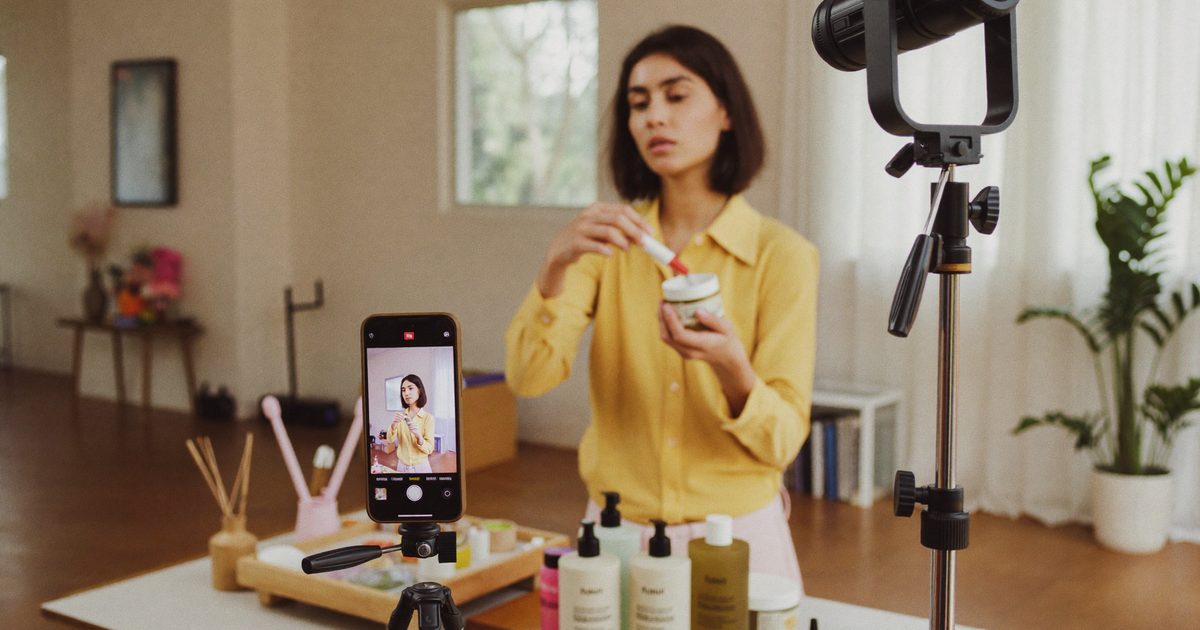
Skincare is one of the most testimonial-hungry categories on the internet, yet most brands in the space are sitting on a pile of customer content they either misuse, underuse, or never collect at all. Derma companies scaling from Rs.80 lakh to Rs.5 crore ARR on Instagram and quick-commerce aren't winning because of production value, they're winning because they stopped treating customer content as an afterthought and built a system around it.
Here are the most common mistakes skincare brands make with customer content, and what to do instead.
Mistake 1: Chasing Glow-Ups Instead of Process Videos
The before-after format feels intuitive for skincare, but it has two serious problems in India right now. First, ASCI's 2023 guidelines on influencer advertising require that transformation claims be clearly backed by a "typical results" disclaimer, and the Drugs and Magic Remedies Act restricts cure-and-treatment language altogether. A customer saying "my acne scars disappeared in 10 days" without qualification can attract regulatory attention, especially for brands running paid amplification on Meta.
Second, consumers have become deeply sceptical of dramatic before-afters. Audiences on Instagram Reels and YouTube Shorts in Tier 1 and Tier cities across India, Pune, Jaipur, Lucknow, have seen enough heavily edited transformations to dismiss them instinctively.
What works instead: process videos. A creator filming their 30-day routine with your Vitamin C serum, showing texture, absorption, the smell, how it layers with sunscreen, converts far better because it feels honest. In our production work, we actively brief creators away from result claims and toward sensory, ritualistic content. The viewer imagines themselves in that routine. That imagination is what drives add-to-cart.
Mistake 2: Collecting Reviews but Never Activating Them
Many skincare brands on Nykaa, Amazon, and their own D2C sites accumulate hundreds of genuine customer reviews and then leave them sitting in a database. The mistake is treating reviews as social proof for the product page alone.
Activated review content means:
- Screenshot carousels on Instagram, not polished graphics, but lightly branded screenshots of real Nykaa or Google reviews, posted as Stories with a poll or question sticker to drive replies
- WhatsApp Status snippets, a 15-second clip of a customer quote over a clean brand visual, shared to your brand's WhatsApp broadcast list (particularly effective for regional-language audiences in Bengali, Tamil, or Marathi)
- Meta retargeting, review-based UGC ads shown specifically to people who visited your product page but didn't purchase; a real person's words at this stage outperform any studio creative
The brands that do this well, Dot & Key, Minimalist, Plum, don't just display reviews; they repurpose them at every touchpoint where a buyer might be on the fence.
Mistake 3: Briefing Creators to Sound Like Your Marketing Team
This is perhaps the most expensive mistake. A brand sends a creator a three-page PDF with approved terminology, key benefits, and a mandatory call-to-action script, and then wonders why the video looks forced and performs poorly.
Customer content works because it sounds like a customer. The moment a creator reads off a teleprompter version of your product description, the UGC advantage evaporates. Viewers clock inauthenticity within seconds, and Meta's algorithm also penalises low-engagement content in the first hour after posting.
The better approach is a loose brief with anchored specifics. Give the creator:
- One key sensory or visible truth to mention (e.g. "the serum absorbs in under 60 seconds, no stickiness")
- A real-use scenario they can authentically fit into (morning routine, gym bag, post-travel skin reset)
- Any compliance boundaries, no cure claims, hashtag #Ad if paid, but nothing that dictates sentence structure
What you don't control: their vocabulary, their energy, the way they describe the scent or texture in their own words. That variability is the feature, not a risk to manage away.
Mistake 4: Only Working with Large Creators for Skincare UGC
A skincare brand spending Rs.1.5 lakh on a single macro-influencer post (200K+ followers) versus spending the same amount across 10–15 nano or micro-creators (5K–50K followers each) will almost always see better ROAS from the latter, particularly in the acne-care, pigmentation, and daily-moisturiser segments where trust and relatability matter more than reach.
This isn't a budget argument alone. It's about content volume and format diversity. Fifteen creators in different cities, skin types, and daily contexts give you 15 different videos you can test as Meta ads, Stories, and product page embeds. You learn which skin concern angle resonates with your highest-LTV customers. One macro post gives you one data point and a spike in impressions that rarely converts efficiently.
Brands that scale on customer content don't have one great video. They have forty decent ones, constantly refreshed, constantly A/B tested. The learnings compound.
In the Indian skincare market, regional specificity amplifies this further. A creator from Chennai talking about year-round humidity and how your SPF moisturiser holds up is more convincing to a Tamil Nadu audience than a generic "suitable for all skin types" claim from a Delhi-based creator.
Mistake 5: Ignoring the Repurchase Moment
Most brands collect UGC at the point of first purchase, the unboxing, the first impression. This is valid, but it misses the single most commercially powerful moment in skincare: when a customer finishes the bottle and buys again.
A repurchase video, even a simple 30-second clip of a creator holding their second or third bottle, explaining why they came back, carries enormous conversion weight. It signals results over time without making any explicit therapeutic claim. It answers the real customer question: does this actually work if you stick with it?
Getting this content requires deliberate outreach. Build a post-purchase email sequence that triggers at Day 40–50 for products with roughly 45-day usage cycles. Offer a small incentive (a discount code, early access to a new launch) to customers willing to share a short video or voice note. Even 5–10 repurchase videos per month, amplified as paid dark posts on Meta, can have a measurable impact on Customer Acquisition Cost over a quarter.
Mistake 6: Treating UGC as a One-Campaign Exercise
Skincare brands often run a UGC push around a product launch, collect a burst of content, use it for four weeks, and then go back to studio creatives. The content library goes stale. The paid ad account starts recycling the same three videos until fatigue kicks in and CPMs climb.
The brands winning with customer content treat it as an always-on system with a rolling refresh cycle. Practically, this means:
- A monthly outreach to 5–8 micro-creators or verified buyers for new content
- A content calendar that rotates UGC against seasonal moments, monsoon skin, summer SPF, Diwali gifting
- A clear asset tagging system so your media buyer can find "oily skin + summer + serum" content in under two minutes
- Rights management handled upfront, get written permission (email or WhatsApp confirmation is sufficient under most standard creator agreements in India) before any paid amplification
The marginal cost of keeping this system running, once the briefs and outreach templates exist, is far lower than the cost of letting your ad account starve for fresh creative.
If your skincare brand is generating real results but struggling to capture, brief, and deploy customer content at scale, the team at The UGC Agency works specifically with D2C and personal care brands across India to build these systems from scratch. See how we work at /work, or talk to us about a content plan at /consultation.