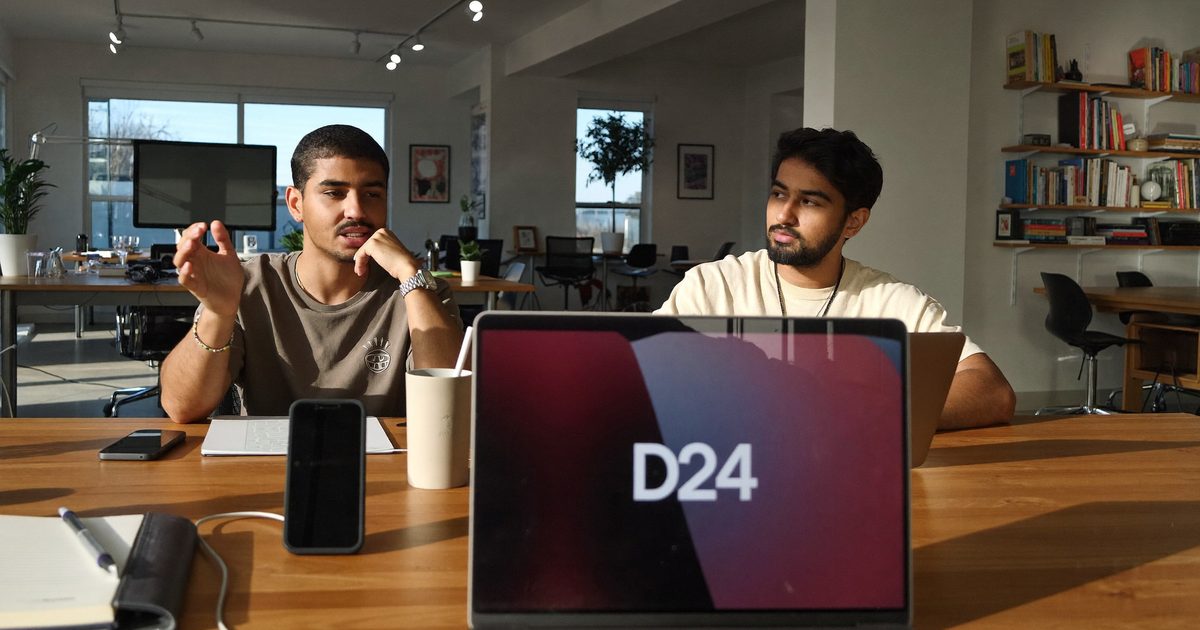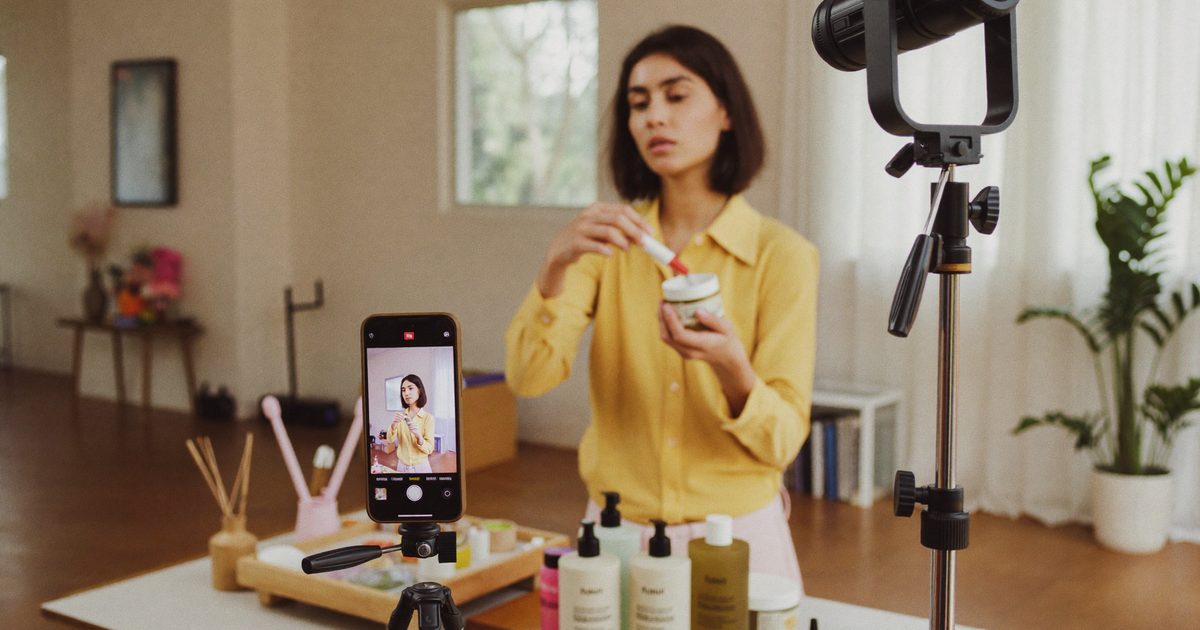
Zoho's product team once shared that demo videos made by actual Zoho CRM users on LinkedIn outperformed their polished agency-produced ads by a significant margin, not because of higher budgets, but because buyers trusted someone who looked like them. That observation holds across the entire SaaS category: the closer a piece of content gets to a real customer's voice, the harder it is for a prospect to dismiss. If you run marketing for a SaaS company in India and you have not yet built a systematic pipeline for customer content, this guide explains exactly what that means and how to start.
Let us begin with the basics. "Customer content" is any video, testimonial, review, or walkthrough created by an actual user of your product, not an actor, not a brand spokesperson, not an influencer hired for reach. It lives on Instagram Reels, YouTube Shorts, LinkedIn, your own landing pages, and inside your paid ad campaigns. For SaaS brands specifically, it does one job better than any produced creative: it shows a real person solving a real problem using your software.
Why SaaS Is Different from D2C When It Comes to Content
If you sell a moisturiser or a protein bar, a customer can hold the product on camera, show the texture, describe the taste. The value is immediate and sensory. SaaS products are invisible until someone uses them. A potential buyer watching your ad cannot see accounting software, they can only see the person using it and hear what that person says about the outcome.
This is why customer content works so well for SaaS. A founder in Pune who built their invoicing workflow on Razorpay Invoices or a startup HR manager in Bengaluru who automated onboarding using Keka, these people can show the screen, explain the specific pain they had before, and describe life after. That 60-second screen-share testimonial does more conversion work than a two-minute animated explainer produced at five times the cost.
- Software decisions involve multiple stakeholders. A CFO, a team lead, and a CTO all consume content before a purchase. Customer video addresses each of them at a human level.
- Free trials and demos are high-intent moments. A well-placed customer testimonial video during the trial period can directly accelerate upgrade decisions.
- India has thousands of regional SMB buyers. A testimonial from a Tamil-speaking business owner in Chennai or a Gujarati manufacturer in Ahmedabad validates the product for buyers in that language and geography far better than a generic English ad.
The Three Types of Customer Content SaaS Brands Actually Use
Not all customer content formats carry equal weight. Here is how leading Indian SaaS brands, think Freshworks, Zoho, LeadSquared, Chargebee, use them across their marketing:
- Short-form testimonial videos (30–90 seconds): A customer speaks to camera, names a specific problem, and credits the product with fixing it. These are the workhorses of paid social on Meta and Google. ASCI guidelines require that any material connection between the brand and the testimonial giver be disclosed, so if you paid or gifted the customer, a clear #Sponsored or #Ad disclosure is mandatory in the caption.
- Screen-share walkthroughs (2–5 minutes): The customer records their desktop, walks through a workflow, and narrates in their own voice. These live on YouTube, your Help Center, or a dedicated customer stories page. They are particularly effective for mid-funnel prospects who are already in a trial.
- Review amplification clips: Many Indian SaaS brands have strong G2, Capterra, or Trustpilot review pages. A short video where the customer reads out and elaborates on their written review, turning text proof into visual proof, is an underused format that adds authenticity to retargeting campaigns.
How to Actually Get Customers to Create Content for You
This is where most SaaS marketing teams stall. Asking customers for a testimonial feels awkward, especially when the relationship is primarily transactional. Here is a framework that works:
- Identify the right trigger moment. The best customer content comes right after a win, when a user hits a milestone, upgrades a plan, or contacts support with excited feedback. Build a simple trigger in your CRM: any customer with a Net Promoter Score of 8 or above gets a personalised email within 48 hours asking for a short video.
- Remove friction with a brief. Do not ask customers to "say something nice about us." Send a three-question brief: What was the main problem before you started using [product]? Walk me through one specific thing you did this week using it. What would you tell someone considering it? Simple questions produce usable answers.
- Offer something of genuine value, not just a discount. A co-marketing shoutout to their audience, a feature in your case-study page, or early access to a new module works better for B2B SaaS buyers than a Rs.500 Amazon voucher. Status and visibility matter to the business owners and managers who use your product.
- Use a self-recorded video tool. Tools like Loom, Vidyard, or a simple Google Form with a video upload prompt let customers record on their own time. Production quality does not matter here, the rawness is the point. A grainy webcam recording from a CFO's home office in Nagpur carries more credibility than a polished studio shoot.
Using Customer Content in Paid Ads: A Practical SaaS Playbook
Once you have the raw testimonial videos, the paid social team needs a clear deployment strategy. In our production work with SaaS clients, we brief creators and coordinate with their in-house teams around a few consistent principles:
- Hook with the problem, not the product. The first three seconds should name a pain that your target buyer feels daily. "Managing GST reconciliation for 200 vendors was eating two days of my month" stops a scroll faster than "Hi, I use [software name]."
- Keep the brand name for the second half. Let the problem breathe for ten seconds before the product appears. Viewers who see a relatable problem will stay for the solution.
- Add captions in the local language where relevant. If you are targeting SMBs in Maharashtra, adding Marathi subtitles to a Hindi-language testimonial expands reach significantly. Meta's ad platform supports multilingual variations within the same ad set.
- Budget realistically. Running a focused customer testimonial ad campaign on Meta for a SaaS product in India typically needs a minimum monthly budget of Rs.40,000–Rs.80,000 per ad set to exit the learning phase and generate meaningful trial sign-up data. Below that, the algorithm does not have enough conversion events to optimise.
The goal is not to make the customer sound like a marketer. The goal is to give marketers a customer who sounds like a human being.
Repurposing Customer Content Across the Funnel
A single 90-second testimonial video can be sliced into multiple assets if you plan the shoot correctly. Here is how SaaS marketing teams extract maximum value:
- Top of funnel (awareness): A 15-second cut of the most emotionally resonant line, the "before" moment, runs as a Reel or YouTube Short to capture cold audiences who match your ICP.
- Middle of funnel (consideration): The full 90-second version runs as a Facebook/Instagram feed ad or a YouTube in-stream ad against competitor keyword searches.
- Bottom of funnel (conversion): A static pull-quote card from the testimonial, combined with a pricing CTA, is embedded on your pricing page or sent in trial nurture emails. Plain text social proof placed near a "Start Free Trial" button has a measurable lift on click-through rate.
- Sales enablement: Customer success and sales reps paste the video link into proposals and follow-up emails. A short personalised video from a peer company is the kind of nudge that moves a stuck deal.
What to Avoid: Common Mistakes SaaS Brands Make with Customer Content
A few errors consistently surface when SaaS teams first try to scale customer content:
- Scripting too tightly. If the customer sounds like they are reading a press release, the content loses all credibility. Give them talking points, not lines.
- Collecting without deploying. Many companies gather testimonials, add them to a hidden "customer stories" page, and never run them in ads or emails. Unused content is worthless content.
- Ignoring ASCI rules on endorsements. ASCI's 2021 influencer guidelines apply not just to celebrities and influencers but to any paid or incentivised testimonial. If you compensated the customer, disclose it, in the video caption, not buried in the footer. Failure to do so exposes your brand to ASCI complaints and reputational risk.
- Treating all customers as equivalent. A testimonial from a company your audience recognises, even a small but well-known startup, carries ten times the weight of an anonymous "SMB in Delhi." Prioritise customers with some recognisability in your target segment.
Building a customer content engine takes a few months but it becomes one of the most durable assets in your SaaS marketing stack. The videos do not expire the way a trend-driven Reel does; a well-made testimonial from a credible user stays relevant for 18–24 months. If you want help designing and producing a customer content programme for your SaaS product, from brief writing and creator coordination to final edit and ad deployment, book a free consultation with our team and we will walk you through what a realistic programme looks like for your category and budget.