A Burberry runway look photographed by a customer outside a Mumbai mall generates three times the Instagram saves of the brand's own editorial post. That is not a one-off anomaly, it is a pattern measurable across luxury categories, and it is reshaping how the most commercially disciplined luxury houses think about content budgets. The numbers tell a sharper story than the aesthetics discourse usually does.
Luxury and user-generated content were long considered incompatible. The argument ran that scarcity and aspiration require controlled imagery. But data from India's fast-maturing premium segment, where brands like Tanishq, Forest Essentials, Estée Lauder, and Dyson sit alongside global heritage names, shows a different picture. Customer content, when structured correctly, does not dilute a premium brand; it validates it in ways paid creative cannot replicate.
The Benchmark Problem Luxury Brands Face
Most luxury marketers in India benchmark content performance against their own historical posts rather than category-wide data. That creates a false sense of adequacy. When you stack Indian luxury brand content against broader premium D2C benchmarks, the gaps become uncomfortable.
- Average paid-creative CTR for luxury fashion on Meta India: 0.6–0.9% (Meta India benchmarks, 2024). Customer-authored content from the same category, unboxings, styling videos, purchase reviews, runs at 1.4–2.1% CTR in the same placements when used as dark posts.
- Instagram Reels engagement rate: Brand-produced luxury content in India averages 1.2–1.8% engagement. Creator-style UGC Reels for premium products consistently hit 3.5–5.2% in our production briefs for clients in the Rs. 2,000–15,000 per-unit price band.
- Conversion lift on PDPs: Product detail pages on Shopify stores that surface customer video reviews show a 27–34% lift in add-to-cart rate versus pages with only brand photography, according to data aggregated across Indian D2C brands by Shopify India partners in 2023–24.
- Return rates: Luxury apparel brands on Myntra that run customer review videos alongside product listings report 18–22% lower return rates. The customer video sets accurate expectations that editorial photography, by design, does not.
The mechanism is not mysterious. A customer demonstrating a Rs. 12,000 silk kurta under natural light in her Bengaluru apartment answers questions that a controlled studio shoot cannot: how does the fabric move, does the colour shift in daylight, does the sizing run small? That functional information is what converts hesitant premium buyers.
How Global Luxury Houses Structure Customer Content Programmes
The brands doing this well are not simply reposting what fans share spontaneously. They run structured programmes with specific content mandates, and they pick creators at the micro tier, typically 10,000 to 80,000 followers, not macro names.
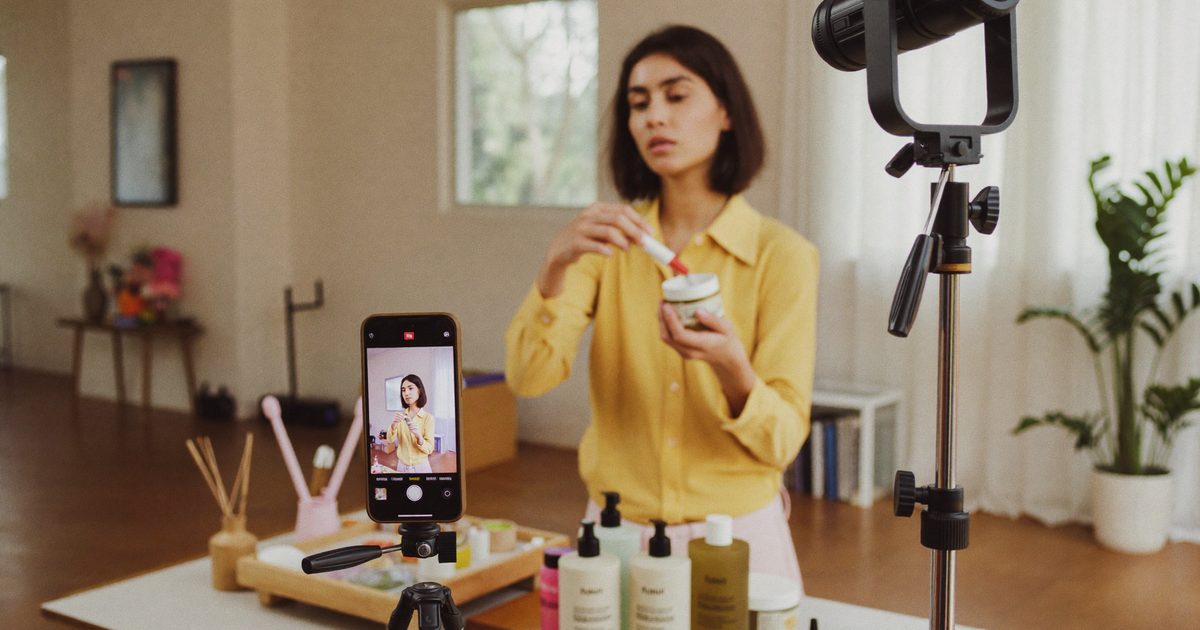
Dior's global approach, adapted for Asia-Pacific markets, involves gifting product to style-focused creators with a brief that specifies filming environment (natural light only, no ring lights), minimum clip length (45 seconds for Reels), and one mandatory product-handling shot showing texture or construction. The output looks owned by the creator, but the quality floor is enforced by the brief.
For Indian luxury and premium brands, we brief creators along similar lines: no branded intro cards, no price callouts (which trigger ASCI substantiation requirements under the ASCI Guidelines for Influencer Advertising in India, 2023), and a clear disclosure label, "Paid Partnership" or "#Ad", placed in the caption's first line, not buried in hashtags. ASCI's 2024 monitoring data found that 60% of influencer posts reviewed were non-compliant with disclosure norms. For luxury brands, a compliance failure is reputationally disproportionate; the fine is manageable, the press coverage is not.
The Micro-Creator Economics for Premium Products
Luxury brands often resist micro-creators because the follower count feels mismatched with the brand's prestige positioning. The economics argue otherwise.
- A macro influencer (500K+ followers) in the Indian fashion-lifestyle space charges Rs. 1.5–4 lakh per Reel, with engagement rates of 0.8–1.5%.
- A micro-creator (15K–60K followers) in the same niche charges Rs. 8,000–35,000 per video, with engagement rates of 4–9%.
- Running eight micro-creators at Rs. 20,000 each costs Rs. 1.6 lakh, roughly the lower end of one macro post, but produces eight distinct pieces of content, each with authentic community trust, in eight different regional markets or aesthetic niches.
- For a premium skincare brand targeting tier-1 and tier-cities across India, eight micro-creators might include voices in Chennai (Tamil-language audience), Pune (Marathi-leaning), Ahmedabad (Gujarati), and Hyderabad, geographic and linguistic spread a single macro creator cannot replicate.
The rights economics also differ. A micro-creator brief typically includes a paid amplification rights clause allowing the brand to run the video as a Meta dark post for 90 days at a modest fee uplift of Rs. 5,000–10,000. Running a macro creator's content as a paid ad frequently involves a separate licensing negotiation that doubles or triples the cost. For a brand running four to six campaigns per year, the cumulative difference runs into tens of lakhs.
Platform Mechanics That Favour Customer Content in India
Instagram's algorithm in India currently favours Reels from non-brand accounts over Reels from brand handles for distribution to non-followers. A verified brand account's Reel is pushed primarily to existing followers and paid audiences. A creator's Reel, even one that is essentially a product review, gets organic Explore distribution that a brand cannot buy directly. This asymmetry makes the dark post model, running the creator's content through the brand's ad account, doubly efficient: you get the organic-feel credibility of a creator post with the targeting precision of a paid placement.
YouTube Shorts has become particularly important for premium product categories in India because Shorts content now surfaces in Google Search results. A 45-second customer review of a Rs. 8,500 diffuser from a Kolkata-based home décor brand appeared in the top five Google results for "best luxury diffuser India" within three weeks of upload, organic search equity that a brand cannot achieve with its own channel at the same speed.
WhatsApp is increasingly relevant for the actual conversion moment. Several premium D2C brands now funnel interested prospects from Instagram ads into WhatsApp Business conversations, where customer testimonial videos (60–90 seconds) are sent as part of the nurture sequence. Open rates for WhatsApp Business messages in India run at 80–95%, vastly outperforming email's 18–22% average. A short video of a real customer describing why she repurchased the product lands in that context with no algorithm filter between it and the prospective buyer.
ASCI Compliance as a Competitive Differentiator
Most luxury brands in India treat ASCI compliance as a legal checklist. The smarter ones use it as a positioning lever. When every competitor is running non-compliant disclosure, a brand that prominently, cleanly marks its creator content as paid is paradoxically more trusted, not less, because the audience knows the rules are being respected.
The practical requirements under the ASCI Influencer Guidelines (updated 2023) for luxury brands are specific:
- Disclosure must appear before the "more" fold in captions, first two lines on Instagram.
- For video content, a verbal disclosure within the first 60 seconds is required, not only a text overlay.
- The label must be in the same language as the content. A Tamil-language Reel must disclose in Tamil, not only English.
- Gifted product (no payment) still requires disclosure, "gifted" or "#gifted" is acceptable under current ASCI interpretation.
For a luxury brand whose customers read the fine print, visible compliance is not a liability. It signals that the brand respects its audience's intelligence, which is exactly the positioning premium buyers respond to.
Building a Sustainable Customer Content Pipeline
A structured pipeline matters more than individual viral moments. The luxury brands with consistent content performance in India operate on a rolling brief model: three to five new creator briefs per month, content rights locked for paid amplification, and a review layer to catch anything that conflicts with the brand's visual or messaging standards before publication.
The goal is not virality. It is a steady accumulation of specific, credible, regionally varied evidence that the product is worth what you are charging for it.
Operationally, the workflow involves a creator selection phase (platform analytics verified, not self-reported follower counts), a brief delivery that specifies technical parameters rather than creative constraints, a 72-hour review window, and a content rights agreement that is signed before any product ships. Brands that skip the rights agreement discover at campaign launch that their best-performing creator video cannot be used as a paid ad without renegotiating, a delay that routinely costs a full news cycle during a product launch window.
For Indian luxury and premium brands, the data case for structured customer content is no longer a hypothesis worth debating, it is a benchmark question worth acting on. If you want to understand what a content programme built on these mechanics would look like for your specific category and price point, the consultation page is where to start.